A Family Admired by Their Community Is Now Facing Shocking Foster Child Abuse Allegations, Prosecutors Say
Prosecutors Say a Family Once Viewed as “Perfect” Hid a Shocking Foster Child Abuse Case Behind Closed Doors
The Dark Reality Behind Closed Doors: The Conert Case
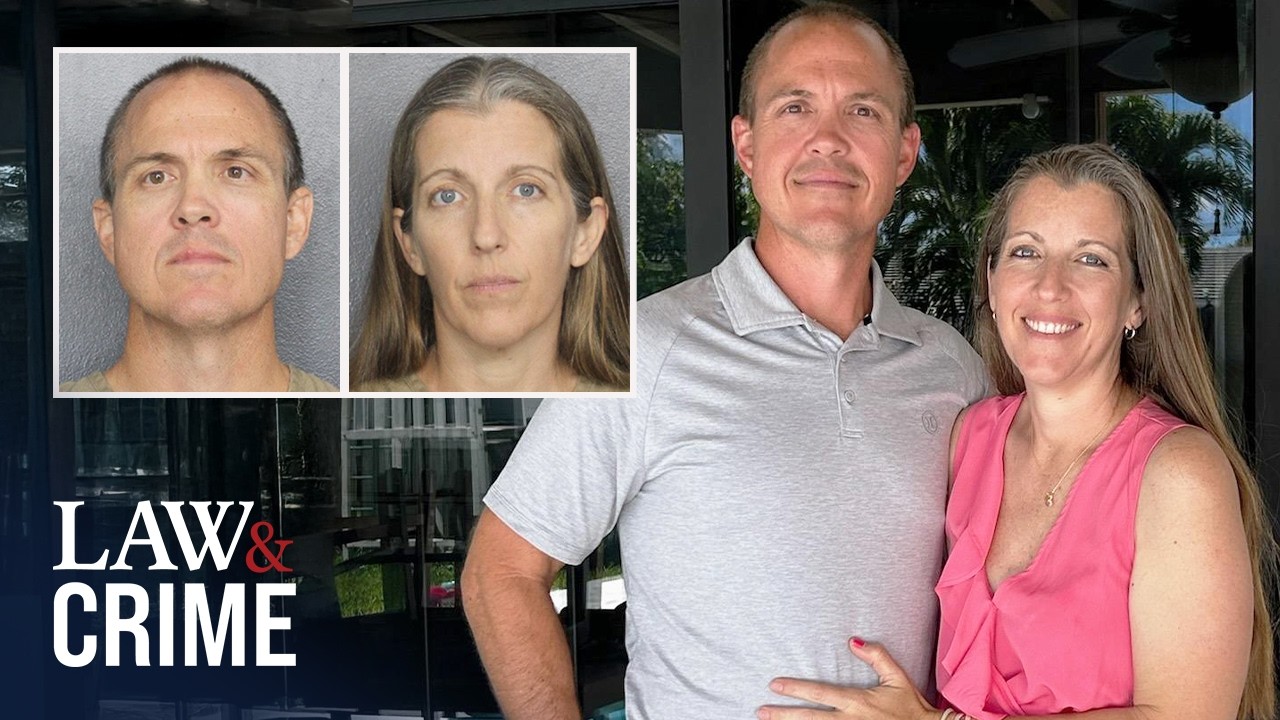
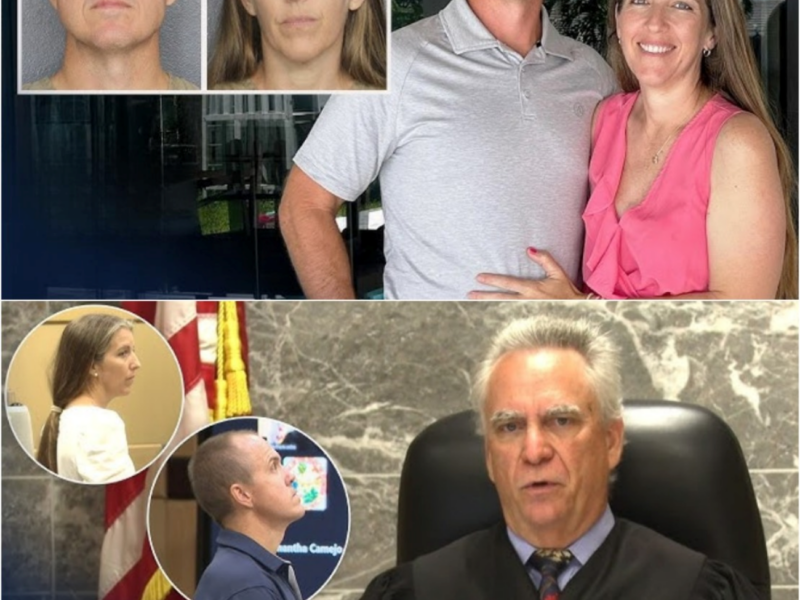
The facade of the American dream is often fragile, but rarely does it shatter as violently as it has in Broward County, Florida. To the neighbors in their quiet, middle-class community, Joel and Jennifer Conert appeared to be the bedrock of morality. He was a trusted fire lieutenant with the Broward Sheriff’s Office, a man whose professional life was dedicated to saving lives. She was a devoted stay-at-home mother, appearing to curate a home filled with faith, structure, and the warmth of a large family. They were the couple people looked to as a model of stability, fostering a young girl from the time she was just two months old, seemingly offering her a permanent, loving home alongside their five biological children.
However, behind the closed doors of their seemingly idyllic residence, a far darker reality was festering. The image of the “perfect Christian family” was, according to prosecutors, a meticulously crafted lie used to conceal a systematic, long-term campaign of cruelty and psychological torment. For years, the child they had taken in as an infant was being subjected to what officials describe as egregious torture.
The nightmare came to light after the girl, then 12, began attending public school after years of being homeschooled. It was here that she finally found the courage to speak the words that would bring the Conerts’ world crashing down. When investigators from the Department of Children and Families (DCF) arrived on February 11, 2026, they were met with a scene that defied explanation.
According to a probable cause affidavit, the child had been routinely locked in her bedroom overnight—and often during the day—to prevent her from wandering the house. The consequences of this confinement were devastating. Denied access to a bathroom, the girl was forced to urinate and defecate on herself, only to be reprimanded and made to clean the mess the following morning. As a form of “punishment,” the child was forced to transcribe Bible verses, a cruel irony that has left the public particularly outraged.

The abuse extended beyond the bedroom walls. The child reported being forced to bathe outside in the backyard while wearing a bathing suit, regardless of the weather. Her diet was restricted, and she was effectively isolated from the family, forbidden from participating in normal activities like meals or playing with the other children. Perhaps most sinister was the report that the parents played loud, constant noise in her room to mask her cries and prevent her from hearing the outside world.
The horror only deepened when investigators interviewed the Conerts’ biological children. They confirmed the foster child’s account: she was treated as a pariah in her own home. But in a twist that shocked legal observers, prosecutors added charges of “contributing to the delinquency of a minor,” alleging that Joel and Jennifer had encouraged their own biological children to actively participate in the physical and mental abuse of their foster sibling.

When confronted, the Conerts’ responses were chilling. Jennifer admitted to the confinement and the sanitation issues, even suggesting the child was a “danger” and that she was willing to turn her back over to the state—a child she had raised since infancy. Joel, with his background as a fire lieutenant, acknowledged the safety risks of locking a child in a room, particularly during an emergency, yet failed to protect the girl.
As the case moves toward trial, the Conerts face multiple charges, including aggravated child abuse, which carries a potential 30-year sentence. Their attorneys have suggested that the child’s alleged behavioral issues may have been the catalyst for these “punishments,” a defense that has been met with widespread condemnation from legal experts who point out that there were numerous, humane avenues for seeking help.

This case is more than a crime; it is a profound failure of the foster system and a grim reminder that we often know very little about what happens behind our neighbors’ doors. As the community waits for justice, the victim remains in a long, difficult process of recovery, trying to unravel years of psychological trauma and understand why the people who promised to protect her chose to become her captors. For the Conerts, the image of the perfect family is gone forever, replaced by the stark reality of their actions, and the long, cold shadow of a prison cell.