Athlete Boycott Sparks Major Controversy as League Confronts Debate Over Transgender Eligibility
League Thrust Into Crisis After Athlete Boycott Over Transgender Participation Sparks Widespread Debate
Journalistic Article: The Collapsing Baseline: How Athlete Boycotts and Title IX Battles Sparked a Seismic Crisis in Women’s Sports

The history of modern athletics is rooted in the fundamental premise of fair competition—a principle that led to the creation of separate sports divisions designed to protect and promote opportunities for female athletes. For decades, the societal and legal framework governing sports relied on the understanding that biological differences in size, strength, and physiological development necessitate distinct male and female categories. However, in recent years, this foundational structure has collided head-on with evolving cultural policies regarding gender identity and inclusion. What began as localized policy debates has rapidly escalated into an unprecedented national crisis, marked by team boycotts, administrative terminations, institutional standoffs, and sweeping legal battles that threaten to fundamentally alter the landscape of collegiate sports.
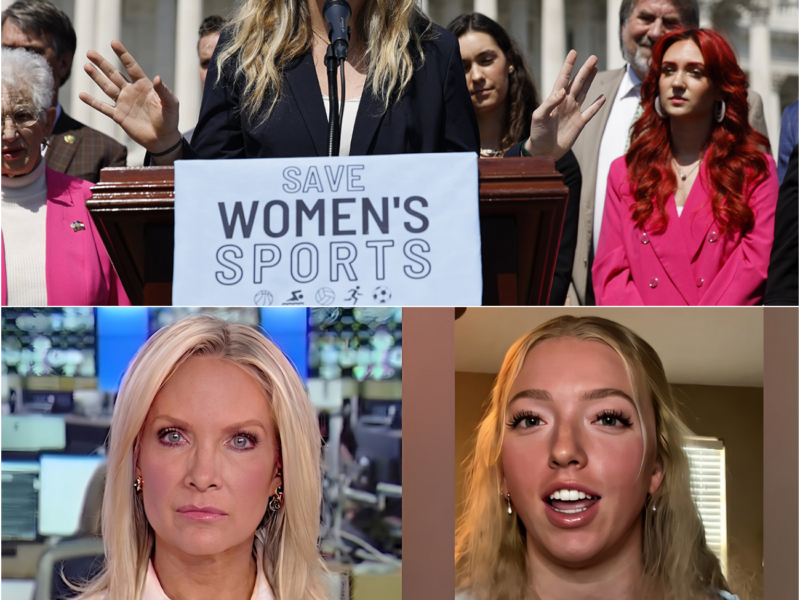
The flashpoint of this escalating conflict came to public prominence through a series of high-profile forfeitures within collegiate women’s volleyball conferences. Across several states, including institutions within the Mountain West Conference such as San Jose State University, University of Nevada, Boise State, Utah State, and Wyoming, student-athletes and entire team rosters faced an agonizing choice. Confronted with competing against a transgender athlete occupying an outside hitter position, multiple teams voted to forfeit their scheduled matches. For these young women, the decision was not made lightly. Team captains and players understood that forfeiting conference games directly jeopardized their primary season objectives, including qualification for conference championships and postseason tournament runs. Yet, as student leaders publicly articulated, the issue transcended win-loss records, centering instead on the preservation of competitive fairness and the future integrity of female athletics.

The institutional response to these player-led boycotts exposed deep divisions between student athletes and university administrations. At the University of Nevada, while initial administrative statements maintained that matches would proceed as scheduled under state constitutional guidelines, subsequent understandings were reached ensuring that participating players would face no disciplinary repercussions for exercising their personal convictions. Conversely, other institutions faced severe internal turmoil. At San Jose State University, assistant volleyball coach Melissa Batie-Smoo filed a Title IX complaint against the university over its handling of the team’s dynamics, locker room privacy concerns, and administrative oversight. Following her advocacy, her contract was allowed to expire without renewal after a thirty-year career, drawing sharp criticism from players and supporters who argued that institutional leadership engaged in administrative gaslighting rather than addressing valid student safety and fairness concerns.
Legal analysts examining the broader implications of these events point to the shifting interpretations of Title IX—the landmark 1972 federal legislation originally enacted to prohibit sex-based discrimination in any school or educational program receiving federal funding. Proponents of traditional sex-segregated sports argue that Title IX was explicitly created to ensure that biological females had equal access to athletic scholarships, facilities, and competitive arenas free from physiological disparities that could undermine fair play. Conversely, civil rights advocates and institutional policy-makers operating under previous federal directives argued that inclusive policies aligned with broader interpretations of gender equity. However, recent federal policy reversals and executive initiatives seeking to re-anchor Title IX protections strictly to biological sex have injected a powerful new dynamic into ongoing litigation and conference governance.
The cultural fallout from these athletic boycotts extends far beyond individual volleyball courts. Skate Canada’s decision to pull major national and international skating events from Alberta following provincial legislation protecting fairness in women’s sports highlights how geopolitical and athletic bodies are increasingly at odds over regulatory standards. In fencing, track and field, and collegiate team sports, athletes are finding themselves at the center of a polarizing debate where taking a public stance requires extraordinary personal bravery. As student-athletes risk social backlash, media scrutiny, and potential damage to their athletic careers, public opinion remains sharply divided between those advocating for maximalist inclusion and those demanding the strict preservation of biological categories.
Looking toward the future, sports governing bodies, athletic conferences, and the NCAA face immense pressure to establish definitive, nationwide policies that can restore stability to collegiate athletics. Without clear, standardized regulations endorsed by national regulatory bodies, individual schools and conferences are left to navigate a chaotic patchwork of forfeitures, legal challenges, and morale crises. Whether through legislative mandates, judicial intervention, or internal athletic association reform, the resolution of this conflict will determine whether traditional women’s sports can maintain a separate and protected competitive space. Ultimately, the events unfolding across collegiate leagues serve as a defining historical moment—one where the scoreboard has taken a backseat to fundamental questions about character, integrity, and the future definition of fair play in American sports.
Journalistic Article: The Collapsing Baseline: How Athlete Boycotts and Title IX Battles Sparked a Seismic Crisis in Women’s Sports
The history of modern athletics is rooted in the fundamental premise of fair competition—a principle that led to the creation of separate sports divisions designed to protect and promote opportunities for female athletes. For decades, the societal and legal framework governing sports relied on the understanding that biological differences in size, strength, and physiological development necessitate distinct male and female categories. However, in recent years, this foundational structure has collided head-on with evolving cultural policies regarding gender identity and inclusion. What began as localized policy debates has rapidly escalated into an unprecedented national crisis, marked by team boycotts, administrative terminations, institutional standoffs, and sweeping legal battles that threaten to fundamentally alter the landscape of collegiate sports.
The flashpoint of this escalating conflict came to public prominence through a series of high-profile forfeitures within collegiate women’s volleyball conferences. Across several states, including institutions within the Mountain West Conference such as San Jose State University, University of Nevada, Boise State, Utah State, and Wyoming, student-athletes and entire team rosters faced an agonizing choice. Confronted with competing against a transgender athlete occupying an outside hitter position, multiple teams voted to forfeit their scheduled matches. For these young women, the decision was not made lightly. Team captains and players understood that forfeiting conference games directly jeopardized their primary season objectives, including qualification for conference championships and postseason tournament runs. Yet, as student leaders publicly articulated, the issue transcended win-loss records, centering instead on the preservation of competitive fairness and the future integrity of female athletics.
The institutional response to these player-led boycotts exposed deep divisions between student athletes and university administrations. At the University of Nevada, while initial administrative statements maintained that matches would proceed as scheduled under state constitutional guidelines, subsequent understandings were reached ensuring that participating players would face no disciplinary repercussions for exercising their personal convictions. Conversely, other institutions faced severe internal turmoil. At San Jose State University, assistant volleyball coach Melissa Batie-Smoo filed a Title IX complaint against the university over its handling of the team’s dynamics, locker room privacy concerns, and administrative oversight. Following her advocacy, her contract was allowed to expire without renewal after a thirty-year career, drawing sharp criticism from players and supporters who argued that institutional leadership engaged in administrative gaslighting rather than addressing valid student safety and fairness concerns.
Legal analysts examining the broader implications of these events point to the shifting interpretations of Title IX—the landmark 1972 federal legislation originally enacted to prohibit sex-based discrimination in any school or educational program receiving federal funding. Proponents of traditional sex-segregated sports argue that Title IX was explicitly created to ensure that biological females had equal access to athletic scholarships, facilities, and competitive arenas free from physiological disparities that could undermine fair play. Conversely, civil rights advocates and institutional policy-makers operating under previous federal directives argued that inclusive policies aligned with broader interpretations of gender equity. However, recent federal policy reversals and executive initiatives seeking to re-anchor Title IX protections strictly to biological sex have injected a powerful new dynamic into ongoing litigation and conference governance.
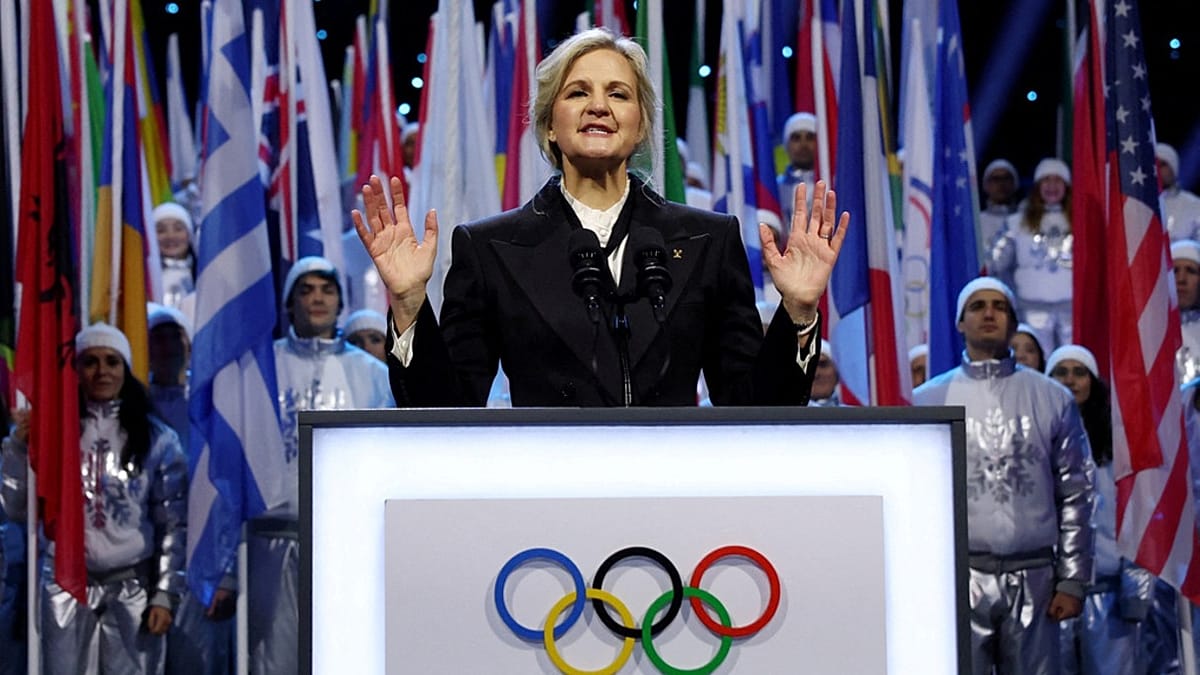
The cultural fallout from these athletic boycotts extends far beyond individual volleyball courts. Skate Canada’s decision to pull major national and international skating events from Alberta following provincial legislation protecting fairness in women’s sports highlights how geopolitical and athletic bodies are increasingly at odds over regulatory standards. In fencing, track and field, and collegiate team sports, athletes are finding themselves at the center of a polarizing debate where taking a public stance requires extraordinary personal bravery. As student-athletes risk social backlash, media scrutiny, and potential damage to their athletic careers, public opinion remains sharply divided between those advocating for maximalist inclusion and those demanding the strict preservation of biological categories.
Looking toward the future, sports governing bodies, athletic conferences, and the NCAA face immense pressure to establish definitive, nationwide policies that can restore stability to collegiate athletics. Without clear, standardized regulations endorsed by national regulatory bodies, individual schools and conferences are left to navigate a chaotic patchwork of forfeitures, legal challenges, and morale crises. Whether through legislative mandates, judicial intervention, or internal athletic association reform, the resolution of this conflict will determine whether traditional women’s sports can maintain a separate and protected competitive space. Ultimately, the events unfolding across collegiate leagues serve as a defining historical moment—one where the scoreboard has taken a backseat to fundamental questions about character, integrity, and the future definition of fair play in American sports.