Bank Teller Accused of Taking $16,000 From His Own Cash Drawer—Then Walked Out Without Handcuffs
Bank Teller Accused of Stealing $16,000 From His Own Cash Drawer—Then Walked Out Without Handcuffs in a Shocking Twist
The $16,000 Teller: A Study in Cooperation and Consequence
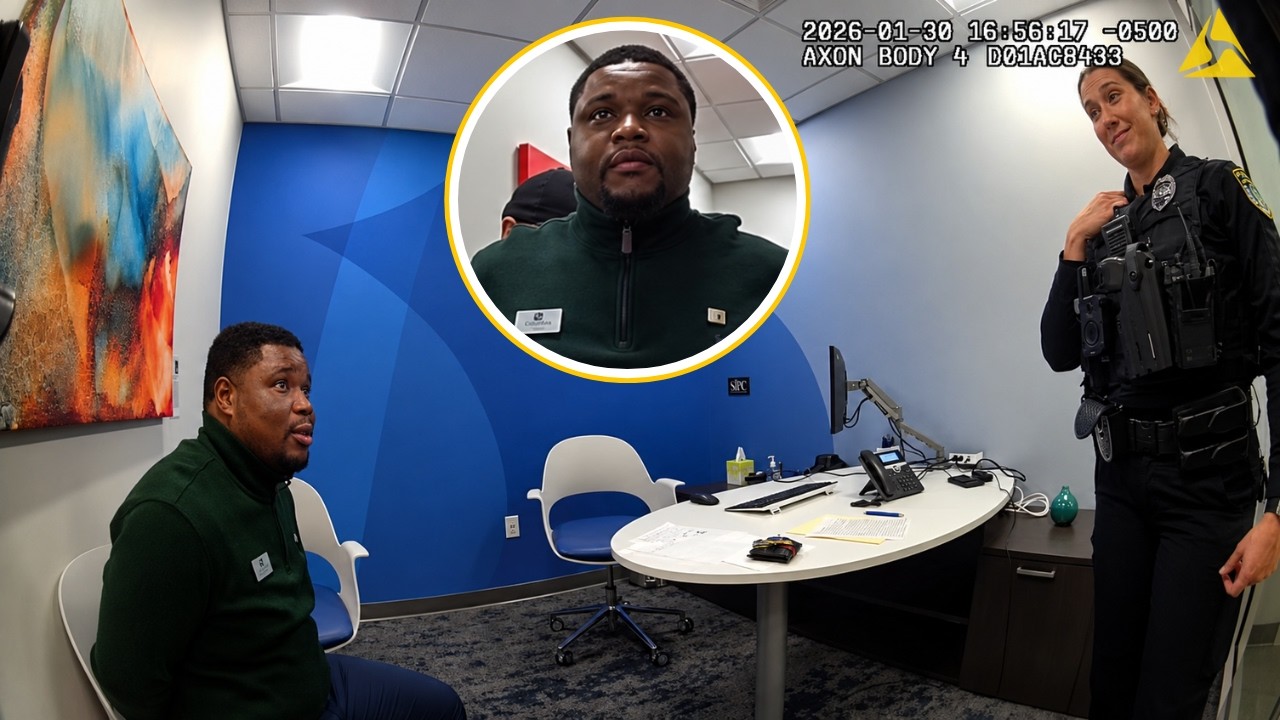
The scene was set inside the sterile, quiet office of a Fifth Third Bank branch in late January 2026. For Lincoln Letman, a 34-year-old teller, the walls were closing in, though not in the way one might expect. There were no flashing sirens in the parking lot, no chaotic raid. Instead, there was a calm, calculated series of conversations that would redefine his life in a matter of hours. Letman had been caught on camera, his hand caught firmly in the metaphorical cookie jar—or, more accurately, his own teller drawer. Over the course of just two months, the man had allegedly siphoned off over $10,000, driven, he claimed, by a crushing financial bind that left him desperate and scrambling.
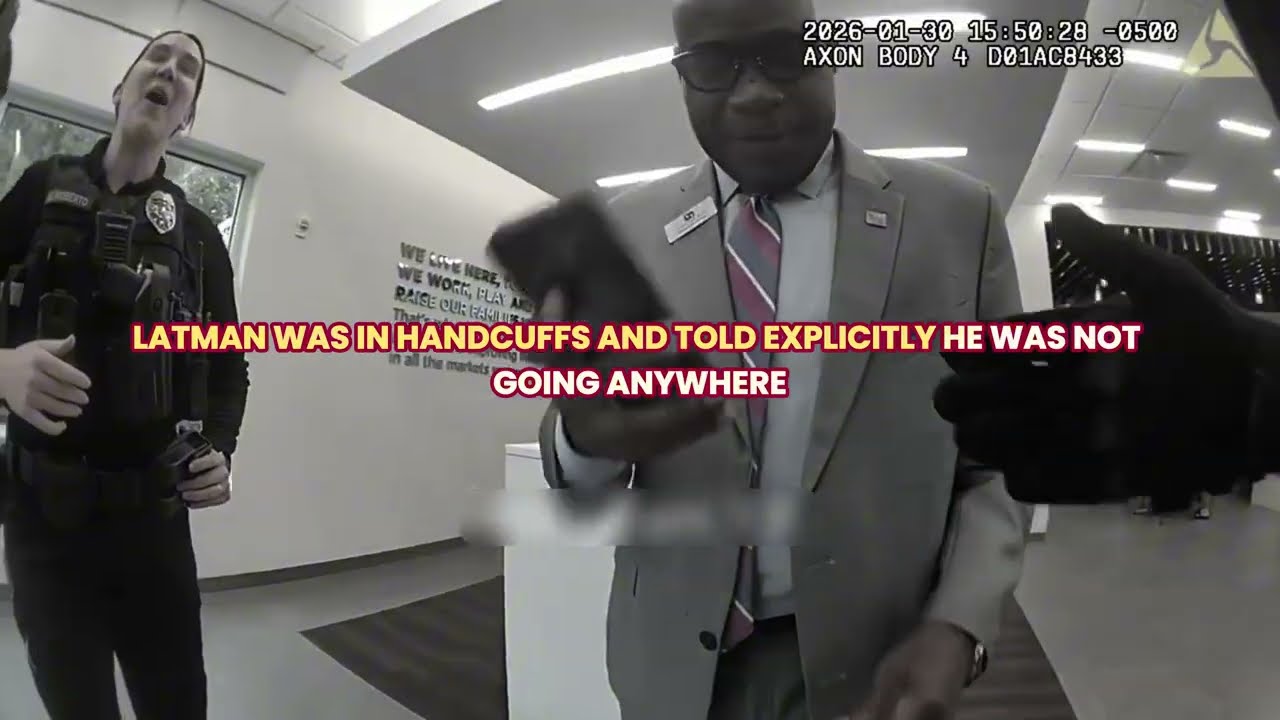
The drama began long before the police arrived. Internal loss prevention had already done the heavy lifting, questioning Letman over Microsoft Teams and securing a written confession before law enforcement even stepped through the doors. When the police finally entered the office, the tone was startlingly professional. Letman, realizing the game was up, was cooperative to a fault. He answered questions, detailed his thefts, and even disclosed the presence of a legal firearm in his vehicle. The officers, for their part, played the role of tempered authority. They discussed his family, his background in Jamaica, and even the “red card” offense he had committed, speaking to him more like a misguided colleague than a hardened criminal.

What followed was a moment that would spark intense legal debate: the “deferred arrest.” Despite having the evidence, the confession, and the suspect in their custody, the officers decided not to take Letman to jail that day. They explained that because he had no criminal record and because the investigation into the total number of victims was still ongoing, they were cutting him loose. They would call him, they said, when the warrant was ready. For an observer, it was a surreal sight—a man who had just admitted to a felony being told to go home, have a nice dinner, and wait for the police to contact him.
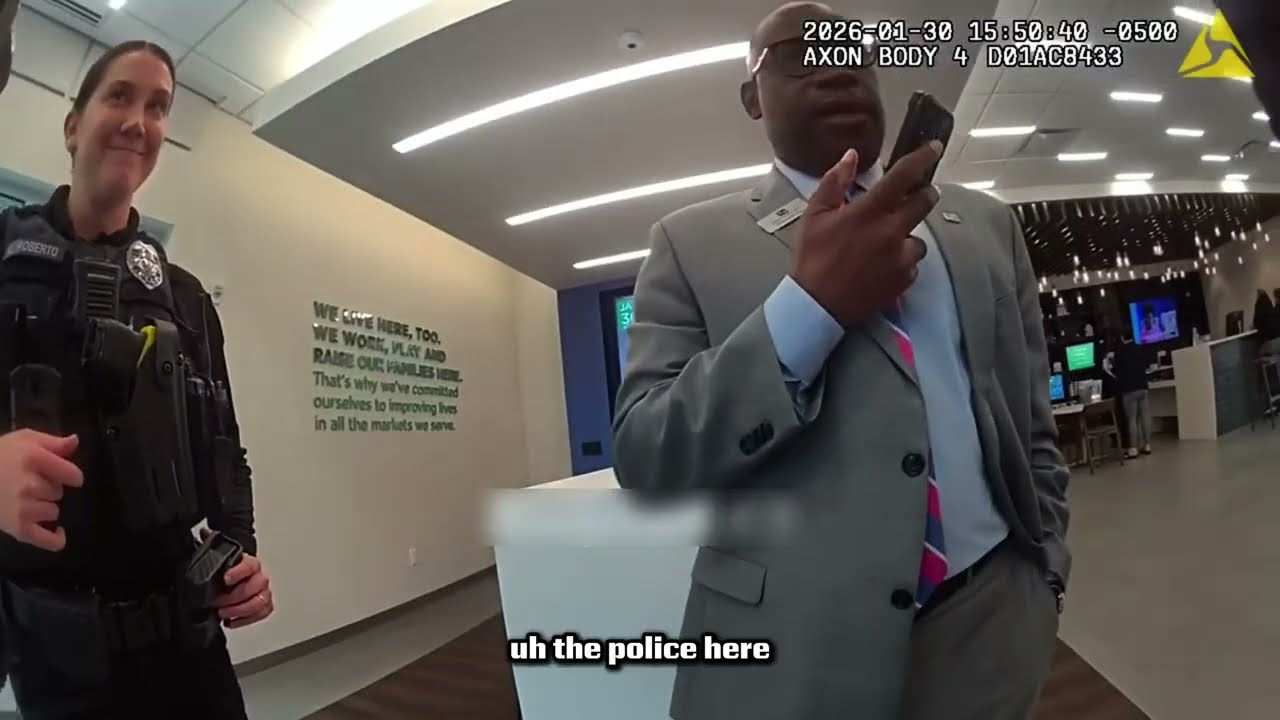
The strategy, while unconventional, speaks to the high-stakes game of modern law enforcement. By maintaining a rapport with Letman, the officers secured a level of cooperation that is rare in such cases. They avoided a dramatic public scene, minimized the need for a volatile confrontation, and likely ensured a smoother path to conviction. But it also raises a crucial legal question: Where is the line between a consensual interview and a custodial interrogation? The defense will undoubtedly scrutinize every word said before the Miranda rights were finally read, arguing that the rapport-building was a calculated tactic to extract further admissions.
As the case moves forward, the implications reach far beyond one bank teller. It serves as a stark reminder of the “gap” that exists in the legal system—the period between the initial investigation and the formal booking. For Letman, that window of time was a final taste of freedom before a reckoning that would inevitably follow. His journey from a trusted employee to a man facing felony charges is a cautionary tale of how quickly a life can unravel, and how the choices made in the first hour of an investigation can dictate the outcome of the next decade.
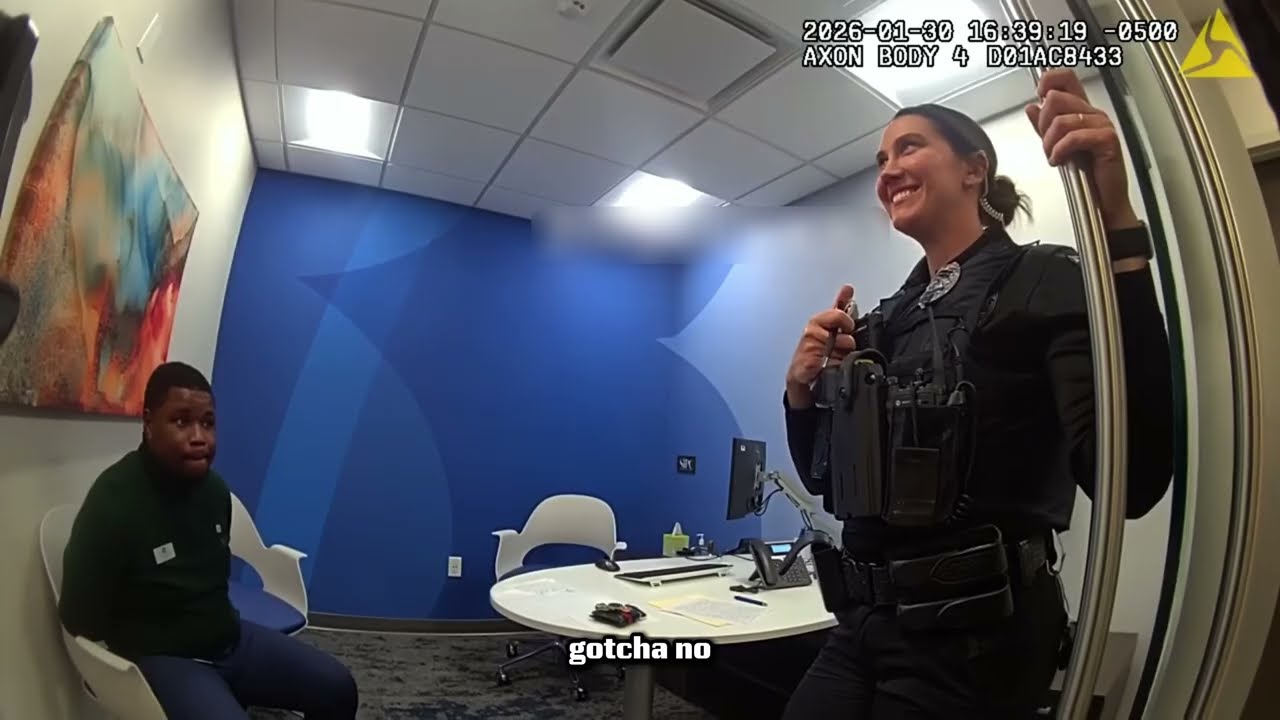
In the future, legal experts expect cases like Letman’s to become central to discussions about the “question-first, warn-later” tactics often employed by private investigators working in tandem with police. The collaboration between internal bank security and law enforcement creates a unique evidentiary landscape, one where the documentary evidence—the written confession signed for the bank—stands as a fortress that Miranda warnings might not be able to dismantle. As for Letman, he was left to navigate the quiet, agonizing wait for the inevitable knock on his door. He was a man who had tried to build a life, only to see it dismantled by a series of choices he could never take back. The stars he had drawn on a piece of paper, an attempt to pass the time during his interrogation, remained a haunting symbol of his descent—a chaotic, unrefined effort to find meaning in a day that had cost him everything.