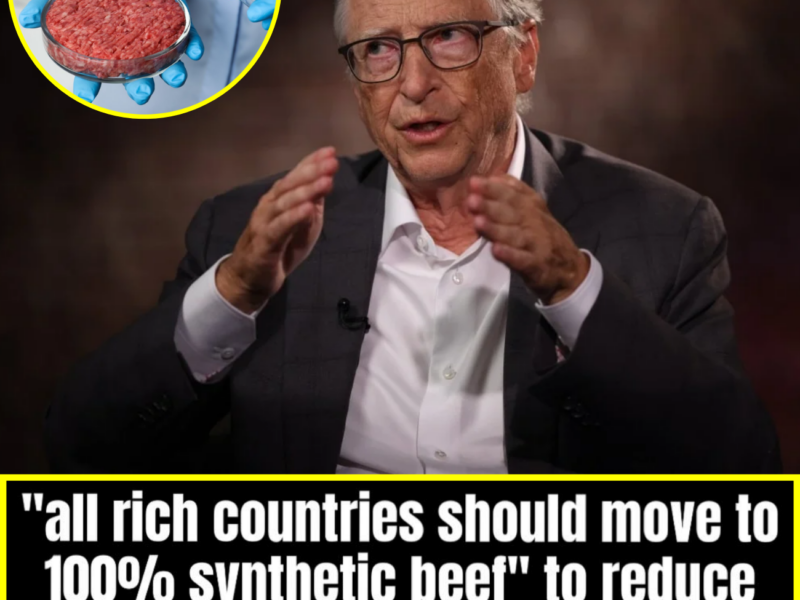
Bill Gates Calls for Shift Toward 100% Synthetic Beef in Wealthy Nations as Part of Push to Cut Greenhouse Gas Emissions
Bill Gates Calls for Shift Toward 100% Synthetic Beef in Wealthy Nations as Part of Push to Cut Greenhouse Gas Emissions
Bill Gates’ Bold Call: Could Synthetic Beef Save the Planet, or Will It Spark a Global Backlash?
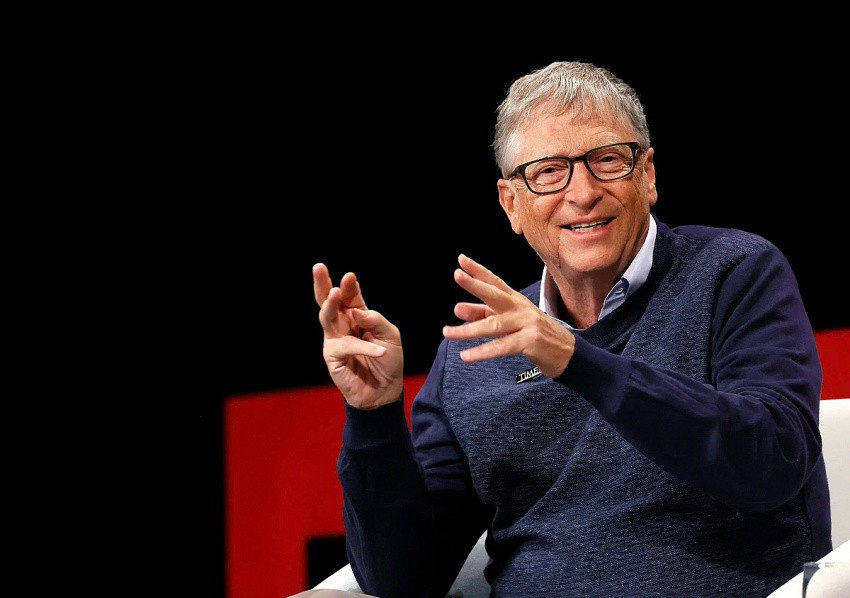
In a world grappling with climate change, few voices carry as much weight—or invite as much controversy—as Bill Gates. The billionaire philanthropist, co-founder of Microsoft, and outspoken climate advocate has never shied away from proposing radical ideas. But his latest recommendation has set off a firestorm of discussion among scientists, policymakers, and everyday consumers alike. Gates is advocating that all rich countries should move to 100% synthetic beef as a key strategy to curb greenhouse gas emissions, particularly methane, which cattle are infamous for producing.
The comment came during an interview with the MIT Technology Review, where Gates discussed his recently published book, How to Avoid a Climate Disaster . He argued passionately that tackling climate change is not merely about cutting emissions from energy or transportation but also about transforming one of humanity’s oldest industries: meat production.
The Methane Problem: Why Beef Is a Climate Culprit
Methane is a greenhouse gas that is approximately 28 times more potent than carbon dioxide over a 100-year period, according to the Intergovernmental Panel on Climate Change (IPCC). Cattle produce methane during digestion through a process called enteric fermentation, releasing it primarily through burps. Globally, livestock is responsible for nearly 14.5% of anthropogenic greenhouse gas emissions , with beef contributing a disproportionately large share.
Gates emphasized that his proposal is not a blanket condemnation of all meat consumption. It is specifically targeted at beef from cattle in wealthier nations, where meat consumption far exceeds nutritional needs and where synthetic alternatives could feasibly meet demand. “All rich countries should move to 100% synthetic beef,” Gates said, underscoring the urgency of innovation rather than regulation or moralizing about diets.
Synthetic Beef: The Promise and the Science

Synthetic beef, also referred to as lab-grown or cultured meat, is produced from animal cells in a controlled environment. It mimics the taste, texture, and nutritional profile of conventional beef without requiring raising or slaughtering cows. Scientists claim that scaling synthetic beef production could drastically cut methane emissions and reduce land and water use, while maintaining protein supply for growing populations.
While the technology is still in its early stages, several startups have already brought products to market in limited quantities. Gates, who has personally invested in multiple synthetic meat companies, believes innovation is key: “We cannot force people to stop eating meat, but we can offer better alternatives that do not destroy the planet.”
The promise is compelling: a world where burgers sizzle without the planet paying the price. But skeptics warn that the transition could be fraught with economic, social, and cultural challenges , especially in nations where beef is deeply intertwined with tradition, identity, and livelihoods.
Economic and Political Implications
Moving to 100% synthetic beef in rich countries would not just be a dietary shift; it would constitute a global economic upheaval. The beef industry is a multi-billion-dollar enterprise , supporting millions of jobs worldwide in ranching, processing, transportation, and retail. A sudden pivot to lab-grown meat could destabilize rural economies, particularly in the United States, Brazil, and Australia, which are major beef exporters.
Furthermore, the political ramifications are significant. Lawmakers in agricultural states may resist policies that incentivize synthetic meat, even indirectly. Lobby groups, ranchers, and meat industry executives could push back, framing the move as elitist, anti-farmer, or an assault on national culture .
Gates’ approach, however, deliberately avoids mandates. Instead, he champions market-driven innovation , relying on technological advances and consumer adoption rather than regulation. The idea is that synthetic beef must compete with conventional beef on taste, price, and availability , creating a voluntary, rather than coercive, transition.
Public Perception and Cultural Resistance
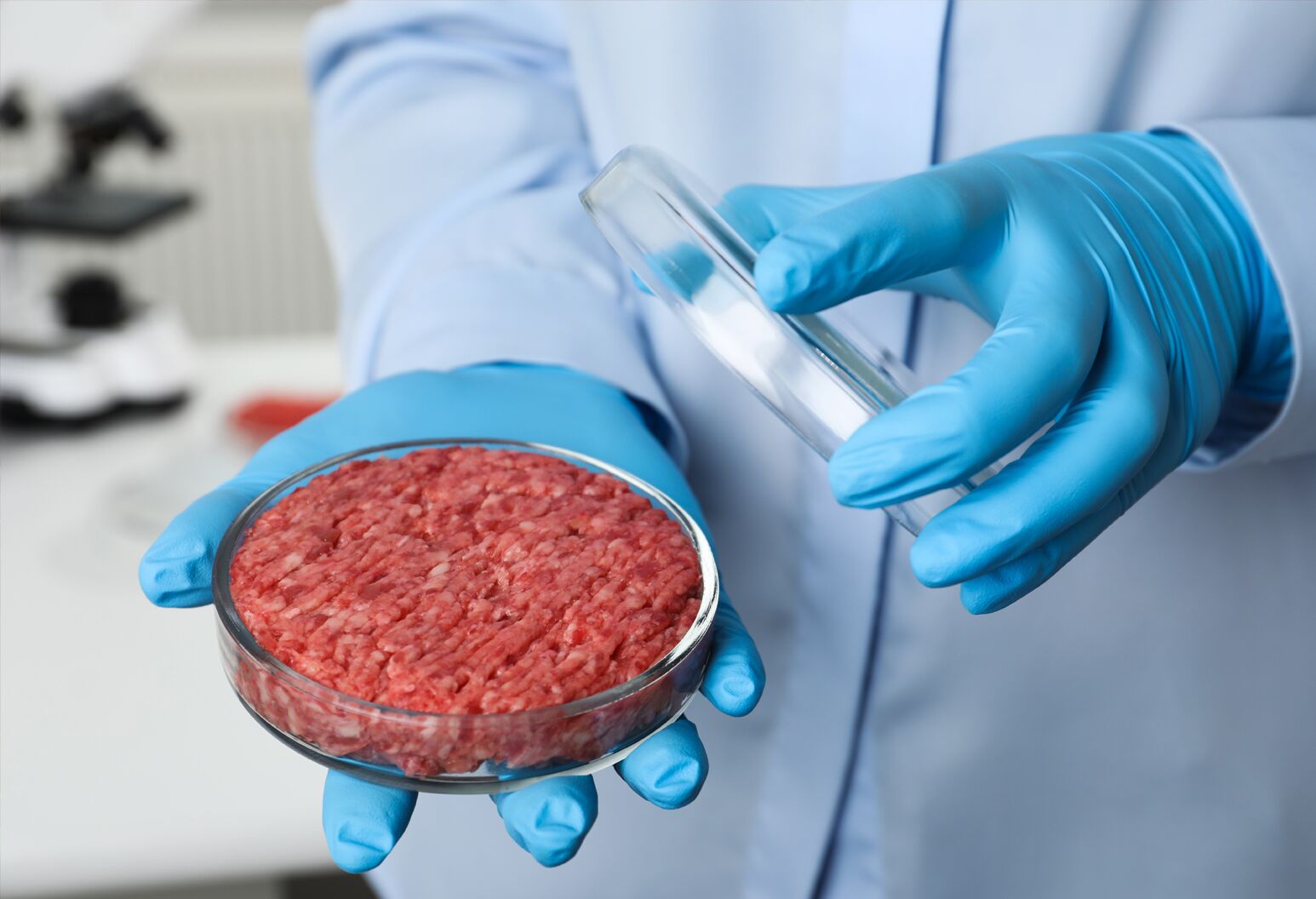
Despite the scientific rationale, Gates’ proposal has met skepticism—and in some cases outright hostility—from consumers. Food is personal. Meat is tied to tradition, identity, and family rituals. The notion that a billionaire technocrat could advise all wealthy nations to abandon traditional beef—even for climate reasons—triggers a visceral cultural reaction .
Social media has been rife with debates, memes, and outrage. Critics question whether synthetic beef is truly natural, whether it is safe, or whether it represents an overreach of technocratic influence into personal choices. Some argue that consumers should not be asked to change decades of dietary habits, no matter the environmental stakes.
Gates’ messaging attempts to address this by emphasizing innovation over restriction. “We need solutions that people can choose,” he says. “We cannot force people into zero-meat diets.” But in an era of polarizing discourse, even voluntary recommendations can provoke cultural friction.
Health and Nutritional Considerations
Another layer of complexity is health. Advocates of synthetic meat argue it could reduce exposure to antibiotics, hormones, and pathogens associated with industrial cattle farming. Lab-grown meat can also be tailored to reduce saturated fat and improve nutritional content.
However, critics warn that synthetic beef is a processed product and may carry unknown long-term health effects , particularly if consumed in large quantities over decades. Rigorous regulatory oversight and peer-reviewed studies will be critical to assure the public that lab-grown meat is safe, nutritious, and not another corporate experiment.
A Global Climate Strategy?
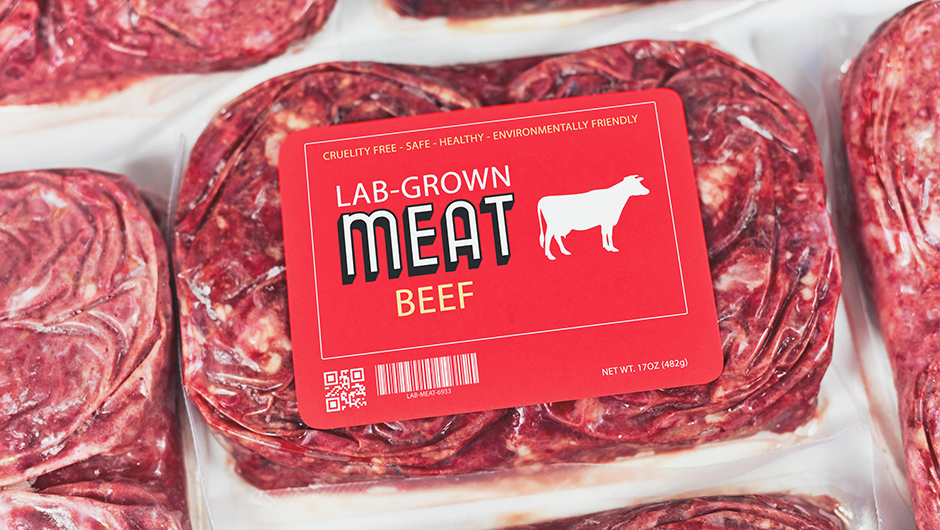
Gates’ recommendation raises larger questions about the role of rich nations in climate mitigation . According to his vision, wealthy countries have the resources, technological capacity, and political leverage to adopt innovations that could have outsized environmental impact. If 100% synthetic beef replaced traditional beef in these countries, methane emissions could drop dramatically, creating a model for other nations to follow .
Yet, climate experts caution that this is not a silver bullet . Methane from cattle is only part of the problem; fossil fuel emissions, deforestation, transportation, and energy production remain massive contributors. Synthetic beef is a piece of a broader solution, not a stand-alone fix.
Nevertheless, Gates frames the issue as a moral imperative: rich countries, with their outsized carbon footprints, must lead the transition. “If we can innovate solutions and make them scalable, we can reduce global emissions faster than through regulation alone,” he explains.
The Future of Food: Tech, Taste, and Tension
The story of synthetic beef is more than just about meat—it is about how humanity will confront climate change in a world where habit, culture, and economy collide with science . Gates’ proposal embodies the tension between urgency and feasibility, between innovation and public acceptance.
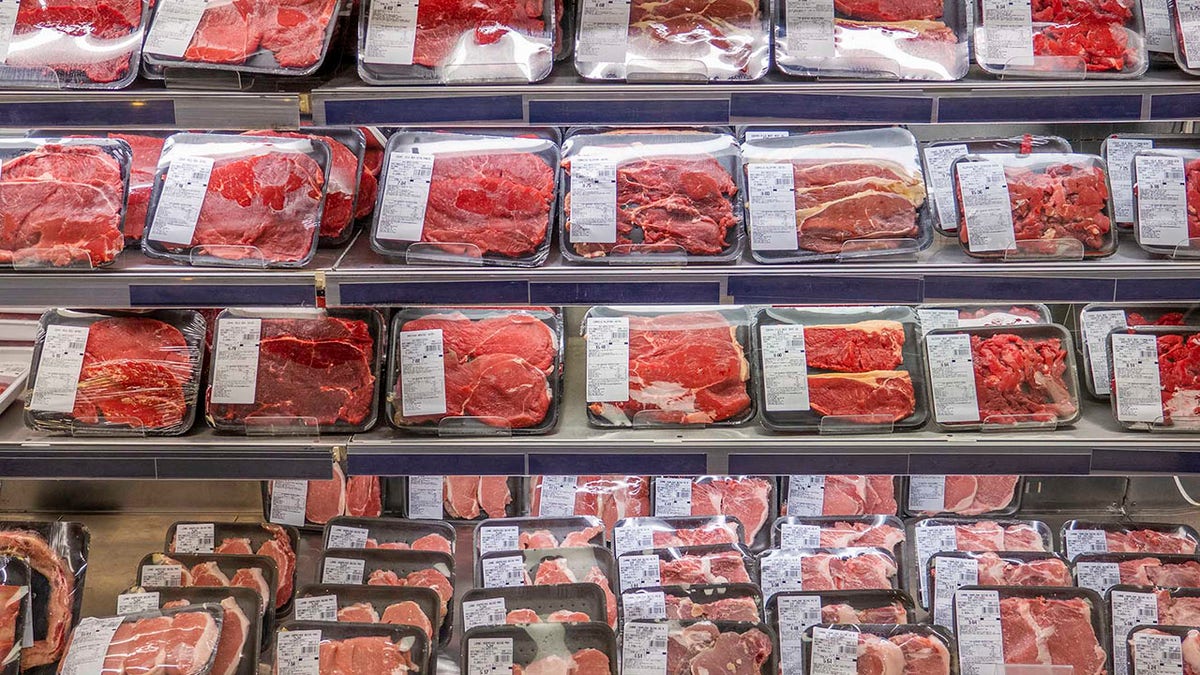
Imagine supermarket aisles where lab-grown burgers sit alongside traditional cuts, competition driving both price and quality. Imagine a world where climate-conscious consumers can reduce methane emissions with every meal. But imagine, too, protests in rural towns, heated legislative battles, and a society divided over whether the solution is technological, cultural, or ethical.
This is not hypothetical. The U.S. Department of Agriculture, Food and Drug Administration, and international bodies are already debating labeling, safety, and import-export standards for cultured meat. Early adoption could trigger global shifts in supply chains , affecting farmers from Nebraska to São Paulo.
Gates’ Vision and the Role of Innovation
Bill Gates’ advocacy emphasizes practical, scalable innovation rather than moralistic mandates. He has repeatedly stated that solutions to climate change must rely on creating better alternatives that people actually want to adopt. In his view, synthetic beef is not about taking meat away; it is about offering something better, cleaner, and more sustainable .
His message resonates with the central theme of How to Avoid a Climate Disaster : the need for ingenuity in confronting planetary challenges. From renewable energy to battery storage, from precision agriculture to lab-grown meat, Gates argues that technology is the only way to meet humanity’s needs without destroying the planet.
Controversy, Skepticism, and Debate
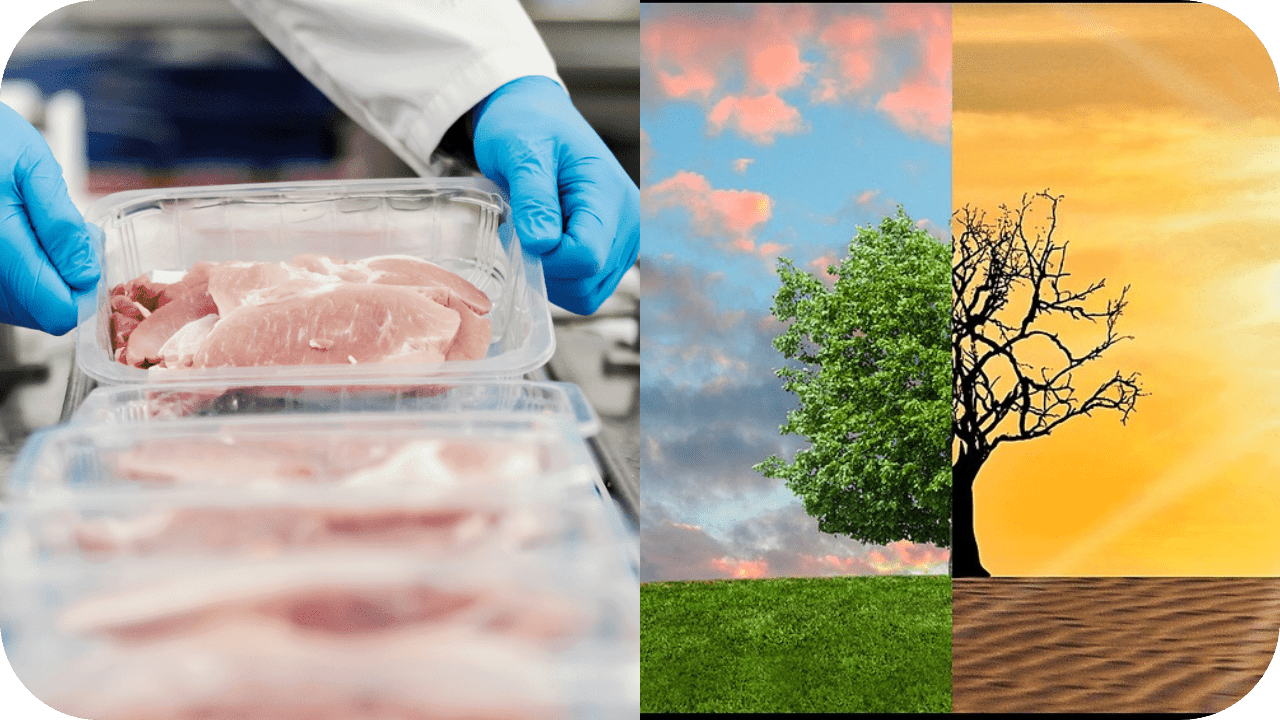
Yet, the proposal remains controversial. Critics question feasibility, taste, cost, health implications, and societal acceptance. Could lab-grown beef truly replace an entire industry? Could it scale globally? Would consumers, especially in affluent countries, embrace it voluntarily? Or would it spark backlash reminiscent of previous climate proposals that were perceived as elitist or paternalistic?
The debate is not just scientific—it is deeply cultural and political. Rich countries considering such a shift would face pressure from domestic beef industries, lobbyists, and consumers. Internationally, the move could affect trade dynamics, with nations exporting cattle to wealthier countries facing economic losses.
Despite these challenges, Gates’ boldness is undeniable. By framing synthetic beef as a climate solution, he has forced a conversation that many would prefer to avoid: the uncomfortable intersection of diet, environment, and technology in a world facing irreversible ecological change.
The Stakes: Methane, Meat, and Humanity
Ultimately, the stakes are staggering. Methane is potent; cattle are numerous; the climate is precarious. Synthetic beef may be one of the few interventions that can immediately reduce emissions without demanding radical dietary changes from billions of people . But adopting it will require innovation, infrastructure, investment, and, crucially, public willingness to embrace change.
Bill Gates’ vision challenges societies to consider: Can we balance tradition with technology? Can we innovate faster than the climate destabilizes? Can we reduce the carbon footprint of one of humanity’s oldest practices—raising and eating cattle—without igniting cultural upheaval?
The answers are uncertain. But the conversation has begun. Gates’ proposal is as provocative as it is visionary, and whether it leads to a global embrace of synthetic beef or sparks resistance, it underscores one inescapable truth: humanity will have to confront the climate crisis with solutions that are radical, immediate, and technologically driven .
Conclusion: The Path Forward
Synthetic beef is not just a novelty; it is a lens through which we can examine the future of food, innovation, and climate strategy. Bill Gates’ call for rich nations to adopt 100% lab-grown beef is audacious, practical, and controversial. It challenges governments, industries, and consumers to weigh convenience, culture, and cost against the urgent imperative to mitigate climate change.
Whether Gates’ vision becomes reality—or whether it ignites a backlash that reshapes public discourse—the debate it provokes will reverberate across dinner tables, boardrooms, and legislative halls. The choices made today about innovation, consumer behavior, and climate action will echo for generations, determining whether humanity can avert ecological disaster while preserving the freedoms and traditions that define modern society.
The lab-grown burger may yet become the symbol of our era: a crossroads where technology, sustainability, and cultural identity collide. And as Bill Gates has warned repeatedly, the time to confront that crossroads is now.