
Bill Gates Faces Tough Questions Following Epstein-Related Congressional Testimony
Bill Gates’ Congressional Testimony on Epstein Sparks Intense Reactions
The Billionaire’s Reckoning: Bill Gates Confronts the Shadow of Jeffrey Epstein

The hallowed halls of the United States Congress, typically a sanctuary for legislative deliberation, became a theater of high-stakes tension and uncomfortable revelations. As billionaire philanthropist Bill Gates stepped into the House Oversight Committee’s chambers for a closed-door deposition, the air was thick with the weight of years of unanswered questions. For over a decade, the Microsoft co-founder has lived under the long, dark shadow of his association with the late convicted sex offender Jeffrey Epstein. Now, with the public and investigators alike demanding clarity, the carefully constructed image of the world’s most famous technocrat faced its most grueling test yet. This was not a routine briefing; it was a rare and stinging reckoning for one of the most powerful men in history.
The testimony itself was a masterclass in damage control, yet the narrative that emerged—one of “grave errors in judgment” and alleged attempts at blackmail—has left the public more skeptical than ever. Gates, appearing before the committee, sought to distance himself from the toxic web of Epstein’s criminal enterprise, asserting that he never witnessed illicit activity and never visited the infamous private island. Yet, the core of his testimony revealed a far more unsettling reality: a billionaire who, by his own admission, ignored the glaring warning signs of a predator in the hopes of securing philanthropic funding.

The revelation that Epstein allegedly attempted to leverage details of Gates’s private life—specifically his extramarital affairs—to force a continued connection has sent shockwaves through the political establishment. It portrays a relationship that was not merely transactional, but potentially predatory on both sides. As the committee delves deeper into thousands of pages of documents, including draft emails and internal communications from the Gates Foundation, the story is no longer just about a “mistake.” It is about a pattern of interaction that raises profound questions about how the elite operate, how they use their wealth to insulate themselves from scrutiny, and how, eventually, even the most insulated figures can be dragged into the light. The deposition is the first of many hurdles, and for the American people, it marks a pivotal moment in the ongoing, multi-year saga to uncover exactly how Jeffrey Epstein maintained his influence among the world’s most powerful figures for so long.
The Anatomy of the Influence
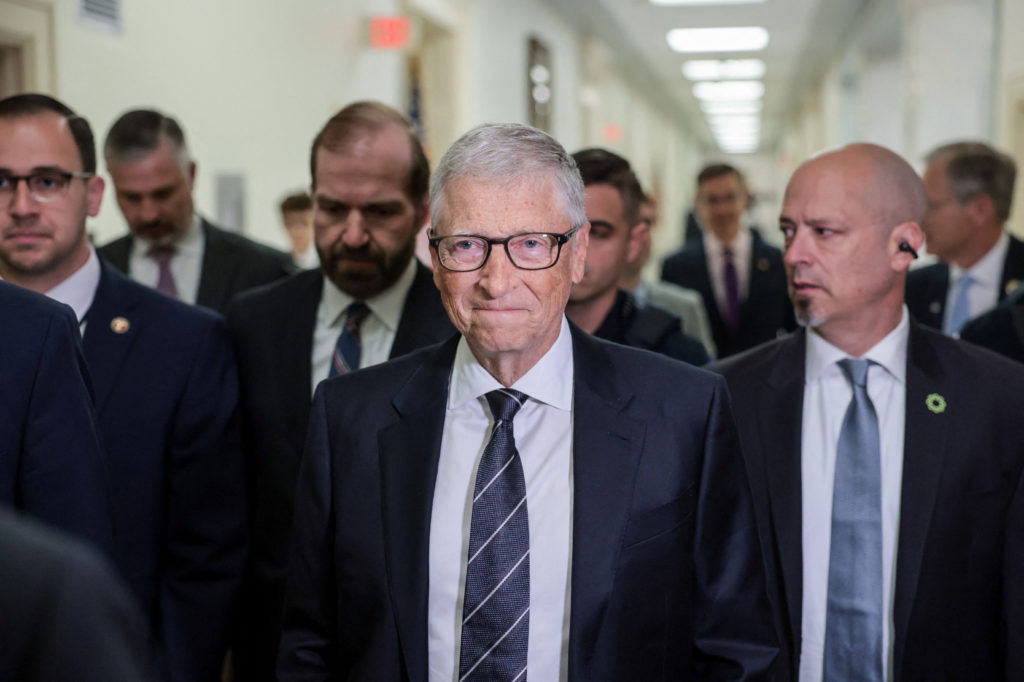
To understand the gravity of this testimony, one must look at the machinery that allowed such an association to persist. The Gates Foundation, an organization dedicated to global health, found itself sullied by these revelations. Internal documents suggest that even as the foundation’s leadership felt “sullied” by the entanglement, high-level aides were actively coordinating with Epstein, framing him as a “financial guru” and a “friend.” This institutionalized failure to conduct basic due diligence highlights a disturbing truth: when wealth and influence are at stake, the usual moral safeguards are often the first to be dismantled.
The future of this investigation promises more revelations. With Congress subpoenaing further records and looking into the roles of other associates, the “Epstein list” is no longer just a conspiracy theory; it is a roadmap for a sprawling, complex federal inquiry. Analysts project that as the committee releases transcripts and unearths more digital breadcrumbs, the pressure on other high-profile individuals will intensify. We are entering an era where the “untouchable” class is being forced to account for their proximity to the dark side of American high society, and Bill Gates’s testimony is merely the first significant crack in the dam.