BREAKING: Judge Hands Prosecutors Key Victory in Charlie Kirk Murder Case, Allowing Hearsay Evidence Against Tyler Robinson at Preliminary HearingBREAKING: Judge Hands Prosecutors Key Victory in Charlie Kirk Murder Case, Allowing Hearsay Evidence Against Tyler Robinson at Preliminary Hearing
New Twist in Charlie Kirk Murder Case as Judge Rules Hearsay Evidence Can Be Used Against Tyler Robinson
Inside the Courtroom Battle Over Tyler Robinson: Hearsay Ruling, Death Penalty Fight, and a Case That Shook Utah Politics

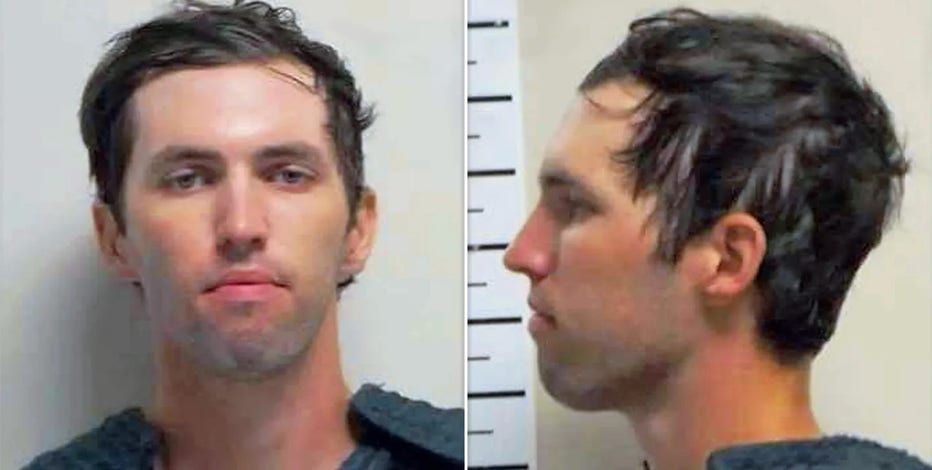
OREM, Utah — In a packed Utah courtroom this week, the legal fight surrounding Tyler Robinson, the 22-year-old charged in the killing of political commentator Charlie Kirk, took a decisive procedural turn that may shape the trajectory of one of the most closely watched criminal cases in the state.
What unfolded was not a trial, but a preliminary hearing—an early legal threshold where prosecutors must show probable cause. Yet even at this stage, the stakes were already immense. With the possibility of capital punishment on the table, every evidentiary ruling carried weight far beyond the walls of the courthouse.
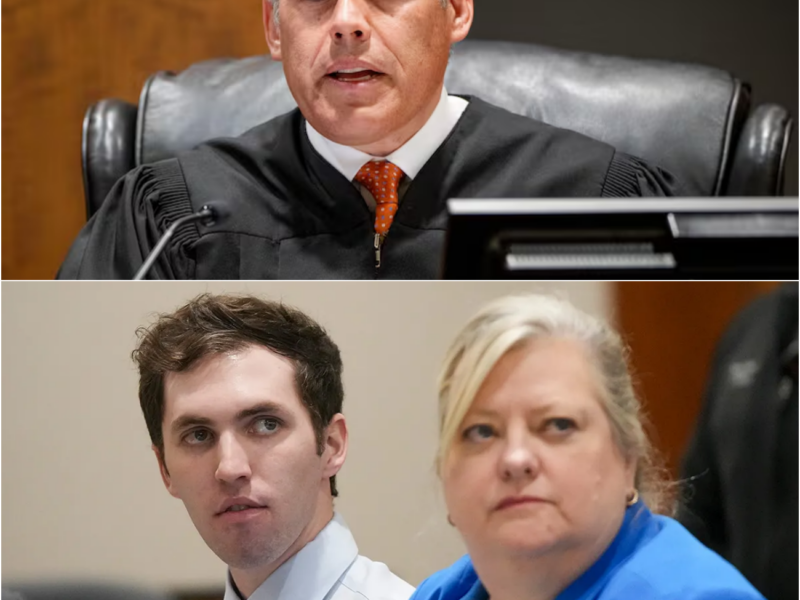
On Monday, Judge Tony Graf issued a ruling that immediately drew attention from both legal observers and the defense team: hearsay evidence will be allowed at the preliminary hearing.
For prosecutors, the decision was a procedural win. For the defense, it was a setback in their effort to narrow the scope of evidence that could be used to establish probable cause.
A Narrow Legal Question With High Stakes
Judge Graf emphasized that a preliminary hearing is not a trial, but a limited proceeding designed to determine whether the case should move forward.
“The court does not understand this principle to mean that constant constitutional protections are categorically inapplicable at a preliminary hearing,” Graf said from the bench. “Rather, because a preliminary hearing serves the limited purposes of determining whether probable cause exists, the scope and operation of a particular constitutional protection must be evaluated in light of that purpose.”
The ruling allows prosecutors to present hearsay evidence—testimony and reports not subject to cross-examination at this stage—including potentially significant material such as recorded statements, forensic reports, and accounts from individuals who may not testify in person during the hearing.
Among the items expected to be introduced, according to court filings, are statements from Robinson’s former roommate and romantic partner, Lance Twiggs, as well as medical examiner findings and federal forensic reports involving DNA and ballistics analysis.
For the defense team, led by attorneys Kathryn Nester, Richard Novak, Michael Burt, and Staci Visser, the decision complicates their strategy to limit what they argue could be prejudicial material introduced before trial.
A Case Built on Forensics and Testimony
Robinson is charged with aggravated murder in connection with the September 10 shooting of Charlie Kirk at Utah Valley University in Orem. Prosecutors allege Kirk, 31, was speaking before an audience of approximately 3,000 people when he was struck by a single gunshot fired from a nearby building about 140 yards away.
Investigators say the shot proved fatal.
Robinson, 22, faces the possibility of the death penalty if convicted.
While the facts of the alleged shooting will ultimately be tested at trial, the preliminary hearing has become a battleground over what evidence the jury will eventually be allowed to hear—and how early in the process it can be introduced.
The defense had argued that hearsay evidence should be excluded, contending that it could unfairly shape the court’s perception before cross-examination is possible. Prosecutors countered that the rules governing preliminary hearings are intentionally broader than those of a trial, designed to allow judges to assess whether probable cause exists based on a fuller record.

Judge Graf sided with the prosecution on that question.
The Fight Over Witnesses
In another significant ruling, the court denied a defense attempt to compel testimony from Lance Twiggs, Robinson’s former roommate and romantic partner.
Defense attorneys had sought to subpoena Twiggs to testify at the preliminary hearing, arguing that his statements could be relevant to challenging the state’s case.
Judge Graf rejected that request.
“In light of the limited purpose of a preliminary hearing and the authorities discussed above, defendant has failed to identify specific anticipated testimony that is reasonably likely to negate probable cause,” Graf said, adding that the defense’s arguments amounted largely to potential impeachment rather than evidence that would undermine the core question of whether the case should proceed.
The ruling reflects a consistent judicial approach in preliminary hearings: the bar for compelling testimony is higher when the purpose is not to determine guilt, but to evaluate whether sufficient evidence exists to proceed to trial.
A Separate Battle Over the Death Penalty
While evidentiary disputes dominated Monday’s hearing, another legal issue loomed in the background: whether prosecutorial conduct could result in the death penalty being removed as a potential sentence.
Judge Graf postponed a ruling on that question until Friday, when another hearing is scheduled.
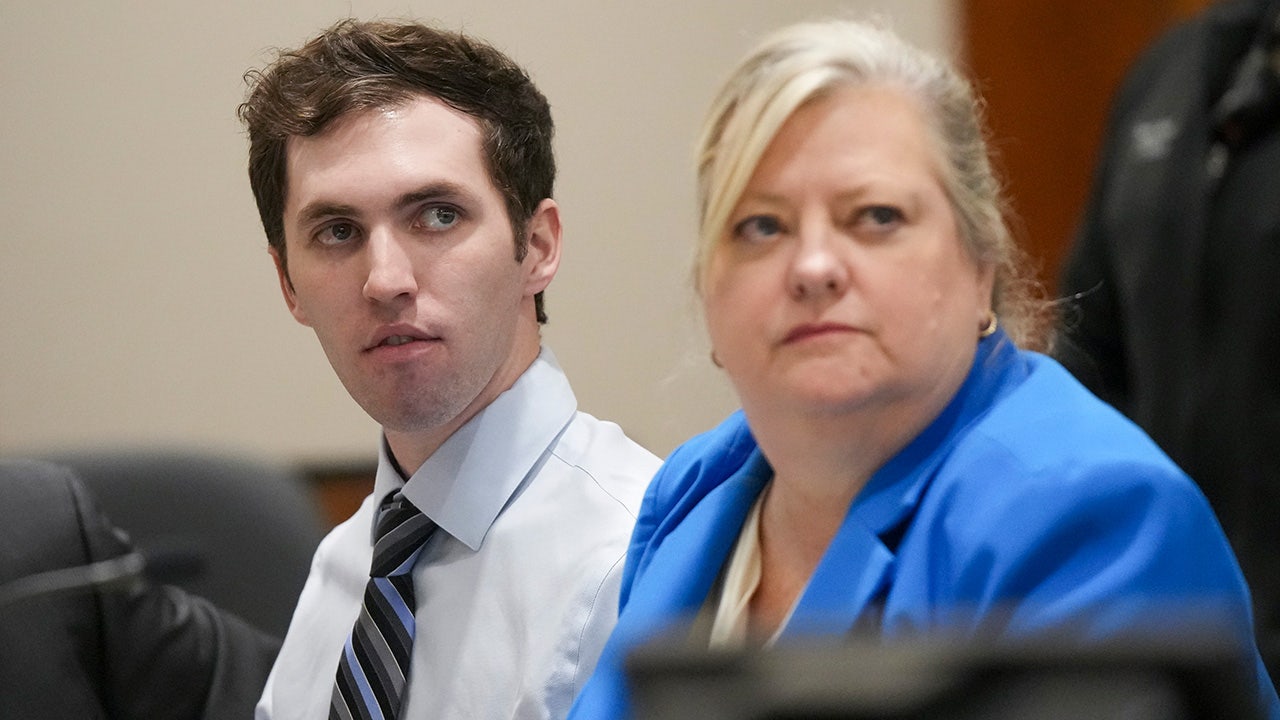
The defense has argued that prosecutors violated a gag order by making public statements about the case outside of court. In a filing submitted last week, defense attorneys claimed that the only meaningful remedy for such violations would be to strike the state’s notice seeking capital punishment.
“The only way that this Court can demonstrate that its orders, and the ethical rules that counsel must obey, are not optional when it comes to the State’s attorneys, even in this case, is to impose the sanction undersigned counsel have urged upon this Court,” the filing stated.
Prosecutors have rejected the allegation, arguing they did not violate any court order. They contend their public comments were made to correct what they described as misleading statements that had already generated widespread media coverage.
At issue is a dispute over forensic evidence reported in the public sphere, including claims about whether federal firearms experts could definitively match a bullet recovered in the investigation to a specific weapon. Prosecutors maintain that while some aspects of toolmark analysis were inconclusive, other evidence—such as caliber consistency and a spent casing—supported their conclusions.
The court has not yet ruled on whether any sanction is appropriate.
A High-Profile Case Under Intense Scrutiny
Beyond the legal arguments, the case has attracted national attention due to the profile of the victim and the political environment surrounding the proceedings.
Charlie Kirk, a prominent public commentator, was speaking at Utah Valley University when he was shot during an event attended by thousands. The incident immediately sparked widespread media coverage and political reaction, intensifying scrutiny on both the investigation and the judicial process.
For the court, that attention has added another layer of complexity. Judges in high-profile cases often must balance transparency with the risk of pretrial publicity influencing public perception or jury pools.
For the attorneys involved, every filing and courtroom exchange carries potential consequences beyond the immediate legal question at hand.
What Comes Next

The next key moment in the case is expected later this week, when Judge Graf is scheduled to address the potential sanctions related to the gag order dispute and the possibility of removing the death penalty as a sentencing option.
If the case proceeds beyond the preliminary hearing—as is widely expected given the evidentiary standard—it will move into a longer and more complex pretrial phase, where constitutional challenges, forensic disputes, and witness testimony will likely be tested in far greater detail.
For now, however, the case remains in its earliest legal stage.
But even at this stage, the contours of a major courtroom battle are already visible: prosecutors building a case they say is supported by forensic and testimonial evidence, and a defense team pushing to limit what the state can present as it moves toward trial.
In Utah’s legal system, the preliminary hearing is not the end of the story.
It is only the beginning.