Burlington Cashier Ran a $3,100 Theft Scheme at Work—Then Pleaded, “I Can’t Go to Jail”
Burlington Cashier Accused of Running a $3,100 Theft Scheme—Then Broke Down, Saying, “I Can’t Go to Jail”
The “Suspend” Loophole: A Retail Fraud Scandal

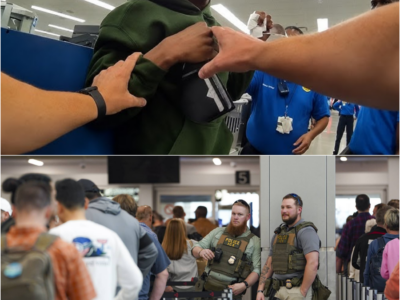
The fluorescent lights of the Burlington Coat Factory in Palm Beach County, Florida, usually hum with the mundane rhythm of commerce. But beneath that surface of typical retail activity, a silent, systematic heist was unfolding. Over the course of three weeks in August 2023, a cashier—a single mother whose job was meant to provide security for her family—was busy dismantling her future. By manipulating the point-of-sale system, she didn’t just ring up merchandise; she facilitated a $3,100 theft ring that would eventually lead to her arrest, a felony conviction, and a harrowing realization that the “small” favors she was doing for others carried the weight of prison time.
The scheme was simple yet devastatingly effective. When associates and acquaintances came to her register, she would scan their items, only to hit the “suspend” button on the register instead of completing the sale. To the casual observer, everything looked legitimate; the customer would leave with their bags, and the receipt would print, creating a perfect illusion of a completed purchase. In reality, no money ever changed hands. The merchandise simply walked out the door, and the transaction remained “suspended” in the store’s digital logs, waiting for a payment that would never come.
When law enforcement and loss prevention finally descended upon the store, the investigation was already airtight. Loss prevention experts had spent days meticulously tracing every suspended transaction back to her register ID. By the time Deputy Frankie of the Palm Beach County Sheriff’s Office arrived, there was no room for debate. The evidence wasn’t just a stack of receipts; it was a digital map of a felony.

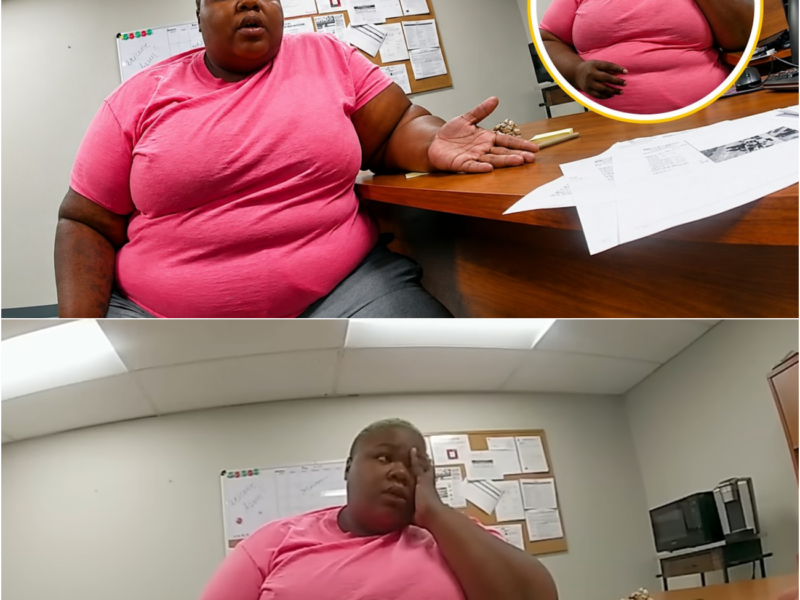
The body camera footage captured the tragic, human side of the arrest. When told she was being taken to jail, the cashier’s composure shattered. She pleaded, wept, and offered to pay the money back immediately. She spoke of her grandmother, her child, and her desperate need to avoid incarceration. She begged for a payment plan, unaware that her status as a third-degree felon under Florida law left the officers with no discretion. The amount she had facilitated—$3,100—well exceeded the $750 threshold for a felony, mandating a trip to the county jail.
“I can’t go to jail,” she sobbed, a sentiment shared by thousands of defendants who don’t realize until it’s too late that they have crossed the threshold from a mistake to a life-altering crime. During the interrogation, the detective, maintaining a professional yet firm demeanor, navigated the delicate balance of an active investigation. He allowed her to explain the mechanism of the fraud, to detail how the “suspend” key worked, and to confirm that she knew exactly what she was doing. With every word, she was building the prosecution’s case against herself.
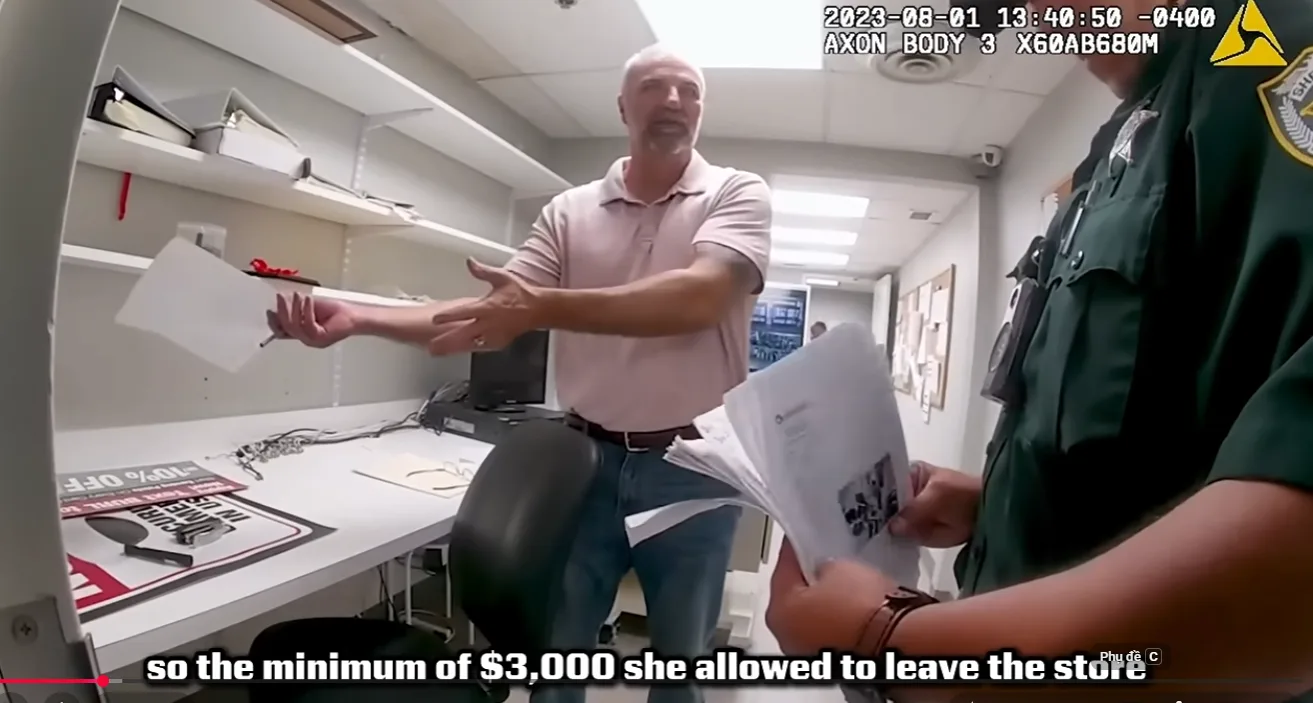
Her cooperation—which included surrendering her belongings and behaving cordially—was an attempt to mitigate her sentence. She was initially sentenced to nine months of probation, a stroke of leniency that offered her a second chance to rebuild her life. However, the path of the recidivist is often fueled by the same choices that caused the initial downfall. While on probation, she was charged with petty theft, an act that effectively erased her chance at redemption. The court was left with little choice: the original felony sentence was back on the table.
This case is a stark reminder of several hard truths. First, the retail world has evolved; there is no such thing as an “invisible” register transaction. Every button press, every delay, and every manual override is timestamped and logged. Second, the power of the Miranda warning is absolute. Once those rights are waived, the suspect is no longer participating in a conversation; they are providing the final bricks for the cell wall. Finally, it illustrates the fragile nature of probation—a lifeline that can be snapped by a single, impulsive return to old habits.

The story of this Burlington cashier is not just a police report or a news headline; it is a profound lesson on the cost of compromise. Whether driven by pressure, a desire to help others, or a misunderstanding of the stakes, she chose a path that turned her life upside down. As the legal system continues to process cases like these, the reality remains: there is no shortcut to success, but there are many shortcuts to prison—and once the door closes, the regret of “I should have just stayed silent” becomes a permanent companion.