Chicago Faces Chaotic Night of Violence and Arrests as Mayor Pushes Back on ‘Mob’ Label
Dozens Arrested, Officers Injured, Shots Fired—Chicago Mayor Rejects Characterization of Unrest
The Fractured City: Chaos, Contradiction, and the Collapse of Order in Chicago
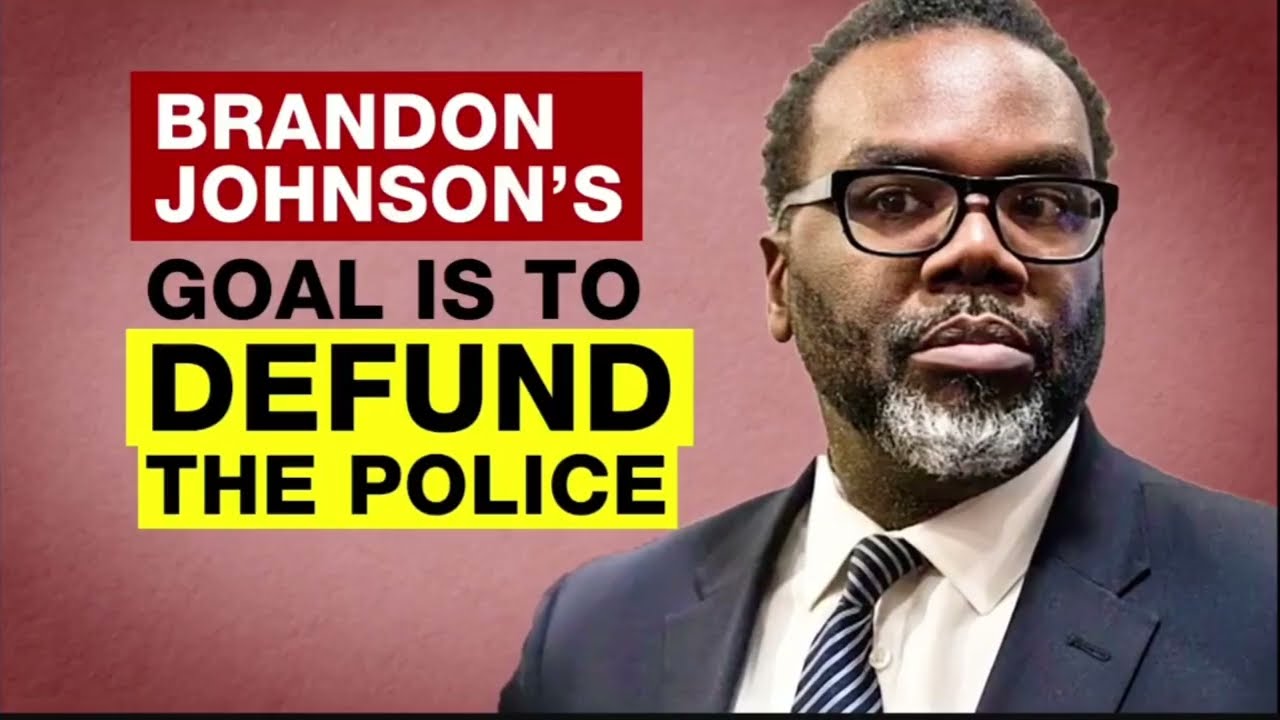
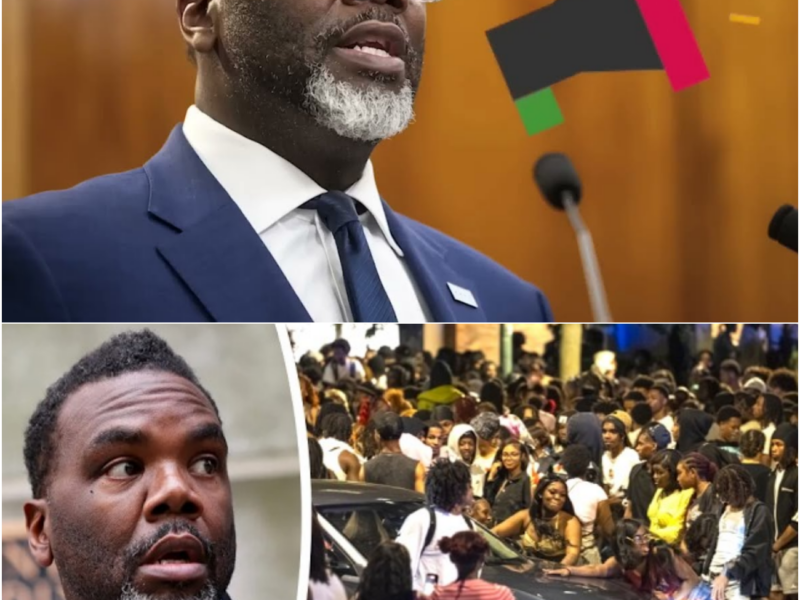
The asphalt of Chicago, once known for its resilience and industrial might, has recently become a stage for a terrifying, repetitive theater of violence. Under the sweltering heat of the summer sun, a new, chilling phenomenon has taken hold: the “teen takeover.” These are not simple gatherings of bored youth looking for a corner to congregate; they are orchestrated, rapid-fire strikes on the very fabric of public safety. In a single, harrowing weekend, the statistics painted a picture of a city under siege: 53 people arrested, nine weapons recovered, three teenagers shot, and five police officers callously run down by vehicles. It is a scene reminiscent of a lawless frontier, yet this is happening in the heart of the third-largest city in the United States.
As the smoke clears from these chaotic events, the response from leadership has ignited a secondary firestorm—one of political identity and stark moral confusion. When confronted with the stark reality of lawlessness—property destruction, gunfire, and assaults on law enforcement—Chicago Mayor Brandon Johnson rejected the term “mob.” Instead, he insisted that the terminology itself is inflammatory and potentially demonizing. To the residents of the city, who are watching their storefronts shattered and their streets turned into crime scenes, the Mayor’s rhetorical gymnastics feel like a betrayal of their basic right to safety. While the city reels, the debate over how to handle these “takeovers” has widened into a chasm, pitting the philosophy of radical reform against the iron-fisted traditionalism of law and order.
The Anatomy of the Takeover: A Nation on Edge

The trend of “teen takeovers” is not an isolated Chicagoan affliction; it is a burgeoning national crisis. From the shopping plazas of Florida to the urban centers of New York, teenagers are leveraging the power of social media to coordinate massive, disruptive gatherings. The motivation? Often cited as mere boredom or a desire for “fun,” the reality is far more sinister. What begins as a viral post inviting hundreds to a public space often devolves into systematic vandalism, looting of convenience stores, and violent physical altercations. In Chicago, the sequence has become tragically predictable: hundreds congregate, property is destroyed, and the police—already stretched thin—are left to manage the fallout of an environment where the boundaries of civil behavior have completely dissolved.
The incident at the 57th Street Beach in Alderman Desmond Yansy’s ward stands as a grim milestone. As the crowds attempted to disperse, the night was shattered by gunfire. Three teenagers—two 19-year-olds and an 18-year-old—were struck. That they survived is a matter of luck, not planning. This was preceded by a post-prom gathering that stretched into the early morning hours, where five police officers were injured after being struck by a vehicle. These are not pranks; these are life-altering, violent events. The persistence of these occurrences suggests that a segment of the youth population feels a sense of impunity, believing that the institutional response is too fractured to effectively curb their actions.
The Mayor’s Dilemma and the Defund Debate
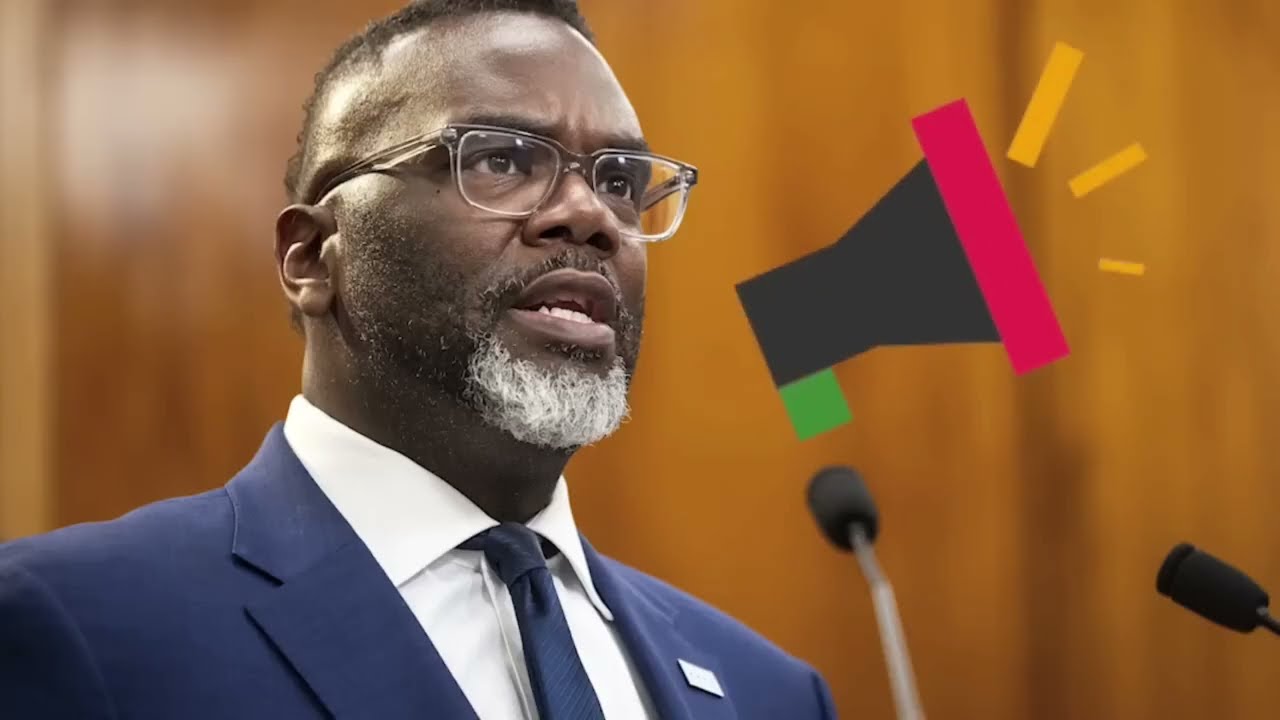
At the center of this firestorm is Mayor Brandon Johnson, a figure whose political trajectory has been inextricably linked to the “defund the police” movement. Before ascending to the mayoralty, Johnson was explicit about his intentions: a desire to redirect millions of dollars away from the Chicago Police Department. Now, as he navigates the crisis of his own city, his administration is under intense scrutiny. Critics argue that his refusal to characterize these incidents as “mob action” is a deliberate attempt to coddle violent behavior, driven by an ideological aversion to traditional policing.
When asked by the press if the participants in the looting and violence were “children” or “criminals,” the Mayor’s response was characteristically ambiguous, claiming he did not know the ages of the individuals involved. This evasion is the core of the controversy. If the actors are children, opponents argue, they are being led astray by a lack of consequences; if they are adults, they are criminals being sheltered by political rhetoric. The Mayor maintains that his administration is coordinating with community leaders to address the “dynamics” of the situation, touting a strategic effort to foster peace. Yet, for the average citizen walking through the wreckage of a looted store or seeing officers injured on the nightly news, these promises feel disconnected from the brutal, unvarnished reality on the ground.
The Florida Contrast: A Different Philosophy of Power
If Chicago represents one end of the spectrum, Polk County, Florida, stands as its antithesis. Sheriff Grady Judd has become the voice of a very different approach to public safety. In response to the same viral trends of teen takeovers, Judd’s message was blunt and uncompromising: “That’s not going to work in Polk County.”
Sheriff Judd’s strategy relies on total accountability. He has made it clear that while he wants the youth to have a fun summer, the moment that fun turns into trashing businesses or fighting in the streets, the iron fist descends. His policy is threefold: arrest the teenagers, hold the parents responsible for their children’s conduct, and ensure that those who break the law are held liable for the damages they cause. It is a philosophy of deterrence through absolute, non-negotiable consequences. Where Mayor Johnson sees a community that needs to be “talked to,” Sheriff Judd sees a threat to the rule of law that must be “locked up.”
Future Scenarios: The Path Forward
The situation in Chicago is a snapshot of a broader, deeper struggle within American urban life. If the current trajectory continues, we may see a massive exodus of businesses and residents from urban centers that are perceived as lawless. The economic cost of looting, the loss of human life, and the demoralization of the police force create a feedback loop that is difficult to break. If “teen takeovers” become an accepted, if chaotic, part of the summer landscape, the social contract that keeps the city functioning will effectively evaporate.
Conversely, we could witness a hardening of policy in response to public outcry. The sheer scale of the disruption in Chicago may eventually force a shift in political strategy, regardless of the Mayor’s current ideology. As the fiscal year continues, the pressure from taxpayers, small business owners, and those living in the affected wards will likely intensify. The question remains: can a major American city maintain its vibrancy if it refuses to assert the authority of the law? The contrast between Chicago and places like Polk County provides a laboratory for the two competing visions of American law enforcement. The outcome of this struggle will not just define Chicago’s future; it will set a precedent for how the nation handles the intersection of youth, social media-fueled violence, and the role of the state in maintaining the peace.