Disability Advocates Raise Concerns Over Robert F. Kennedy Jr.’s New Special Education Role
RFK Jr.’s New Position Sparks Backlash From Disability Rights Organizations
The Great Dismantling: Inside the Battle for Disability Rights
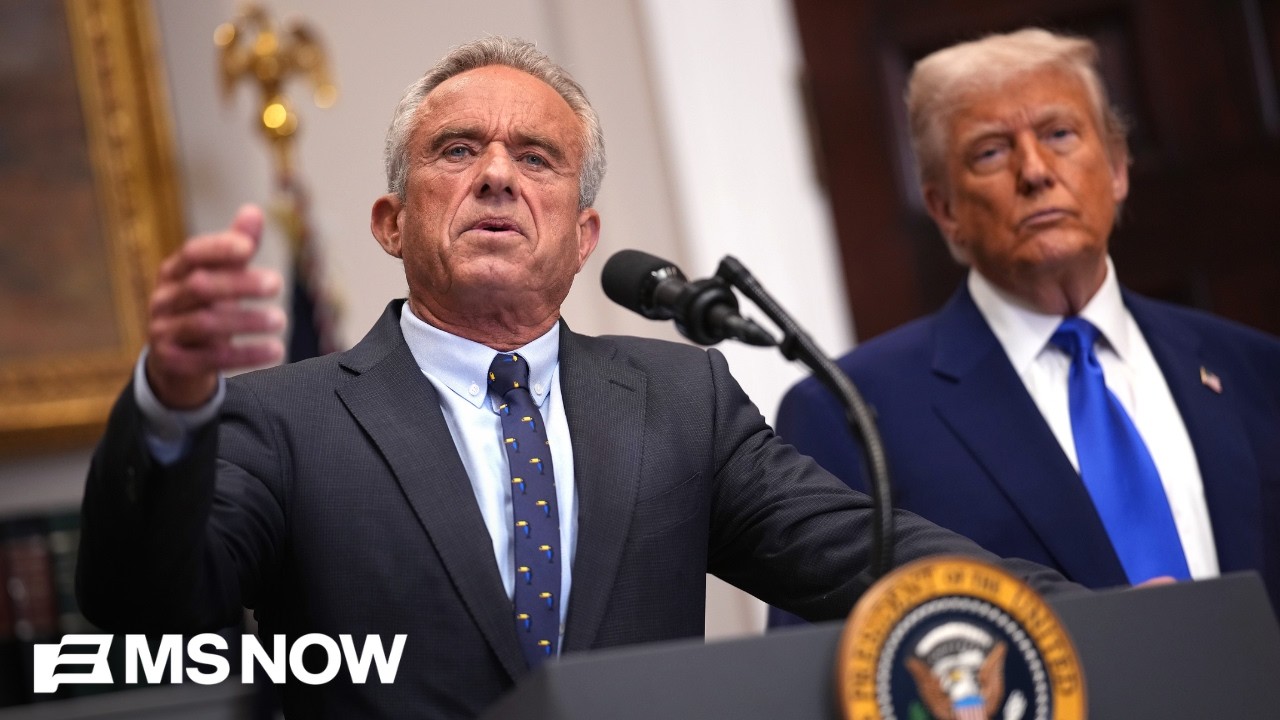
The hallways of the Department of Education, once vibrant with the focused energy of policy experts and civil rights advocates, are falling quiet. In a move that has sent shockwaves from the halls of Congress to the classrooms of every American school district, the Trump administration has effectively initiated the “sunset” of the Department of Education as we know it. The most devastating blow—a decision that has ignited a firestorm of protest—is the sudden, unilateral transfer of disability education oversight from the Department of Education to the Department of Health and Human Services (HHS), now under the direct command of Secretary Robert F. Kennedy Jr.
For decades, the Individuals with Disabilities Education Act (IDEA) has been the bedrock of civil rights for millions of American students, ensuring that every child, regardless of ability, has a federally guaranteed right to a quality education. By shifting this authority to HHS, the administration has fundamentally transformed the student into a patient. Advocates and disability rights groups are sounding the alarm, calling the move a “clear violation” of the hard-won legal protections that have defined inclusive education for two generations. They argue that this is not an administrative reshuffling; it is a clinical re-categorization, one that risks stripping away the educational support systems that allow children to thrive, replacing them with a cold, medicalized management framework.
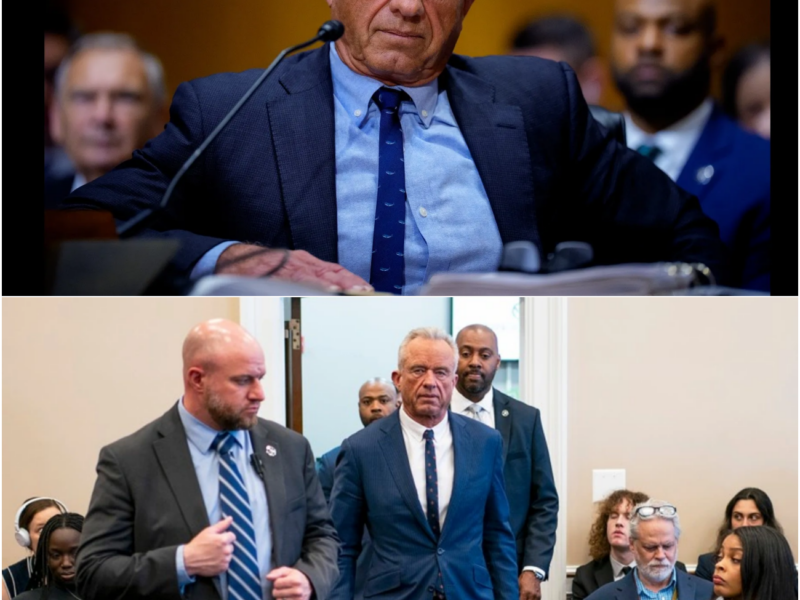
The appointment of Robert F. Kennedy Jr. to oversee this new mandate has added a layer of profound, visceral anxiety to the situation. Kennedy, whose long history of controversial rhetoric regarding autism and vaccines has drawn condemnation from scientific and medical communities alike, is now the primary architect of policy for the very population he has frequently characterized as needing “cures.” For families who have fought for years to secure individualized education programs (IEPs) and classroom accommodations, the shift feels less like a change in governance and more like a hostile takeover. As one representative for a national advocacy coalition put it, “We are watching the erasure of a decade’s worth of progress, and the speed of it is breathtaking.”

The New Architecture of Exclusion
The administration’s rationale, framed under the banner of “departmental streamlining,” obscures a more clinical objective. By offloading oversight to HHS, the government is signaling a shift toward a diagnostic-heavy approach to disability. The Department of Education’s expertise lies in pedagogy, curriculum adaptation, and social inclusion—tools designed to help a student learn. The Department of Health and Human Services’ expertise, conversely, lies in medical intervention and clinical regulation.
This move effectively changes the fundamental relationship between the student and the state. Instead of receiving support based on educational need, students are increasingly being funneled into a system where their rights are tied to medical diagnosis. Critics point out that this invites a precarious future where funding for essential school-based services—speech therapy, occupational therapy, and adaptive technology—could be diverted, audited, or curtailed based on ever-changing health policy priorities rather than the stable, legal mandate of educational equity.

Future Scenarios: The Cost of a Broken System
What does the future hold for the American classroom? If this shift toward a medical model of disability holds, we could see a dramatic decline in the quality and availability of special education services. Projections from non-partisan research centers suggest that without the dedicated oversight of the Department of Education, school districts may struggle to navigate the complex federal compliance requirements of IDEA.
Calculations regarding resource allocation suggest that this reorganization could lead to a deficit in school-based support of up to $2 billion annually as funds are redirected toward administrative “health” oversight. In a worst-case scenario, the legal rights of students with disabilities could become a localized battle, pitting parents against school boards in a fragmented, state-by-state struggle for basic accommodations. We are potentially witnessing the return to an era of educational segregation—a “separate and unequal” reality where the right to learn is no longer a federal promise, but a bureaucratic favor. The dismantling is not just changing a department; it is changing the promise of equality that we make to every child.