Double Disaster? Knicks’ Streak Ends During Trump Appearance as Spencer Pratt Loses Big
Trump’s Courtside Appearance Draws Attention as Knicks’ Streak Ends, While Spencer Pratt Falls Short in L.A. Race
The Political Theater of the Absurd: From Madison Square Garden to the L.A. Ballot Count
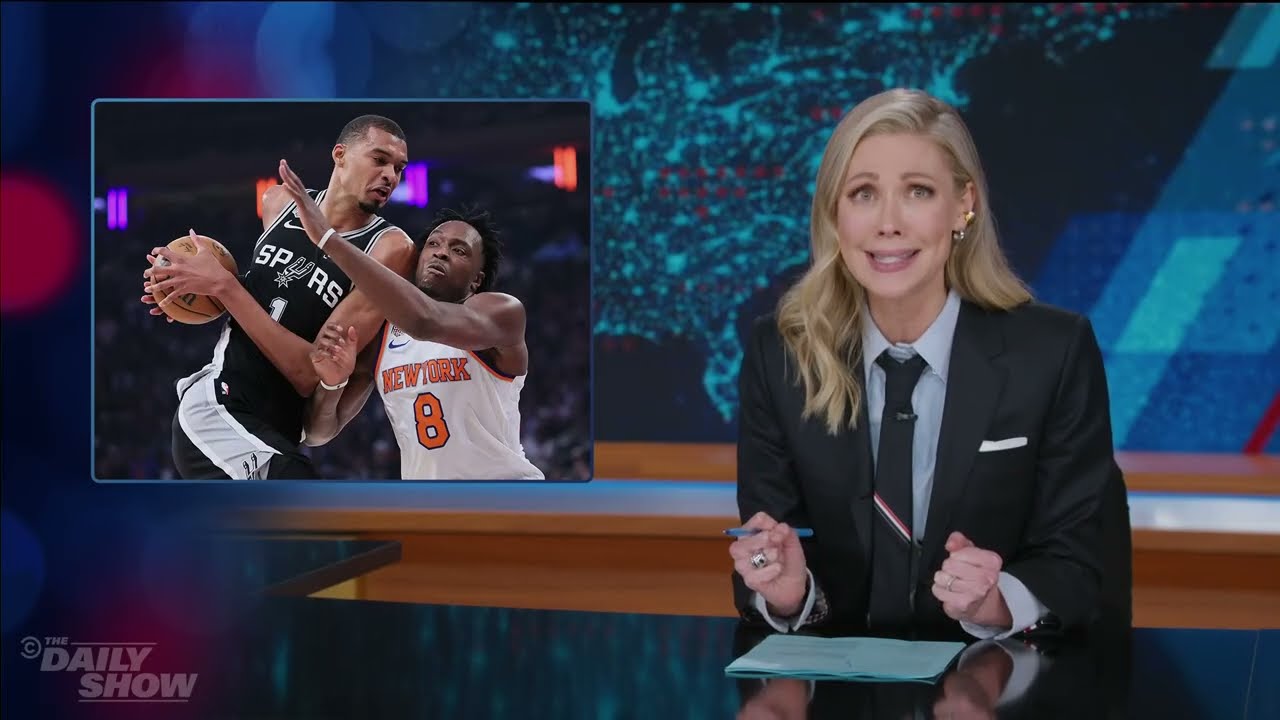
The pulse of American political life has reached a frenetic, almost feverish pitch, where the lines between high-stakes governance, celebrity spectacle, and reality television have not just blurred—they have evaporated. In recent days, the nation has been gripped by two seemingly disparate events that, when viewed through the lens of our current cultural climate, reveal a deeper, more troubling trend: the total collapse of objective decorum. From the boisterous, hate-filled echoes of Madison Square Garden during Game Three of the NBA Finals, where a high-profile political appearance turned into a referendum on public sentiment, to the slow-motion, agonizingly bureaucratic nightmare of the Los Angeles mayoral race, where candidates are crying “rigged” before the final envelope has even been opened, America is witnessing a performance of democratic decay.
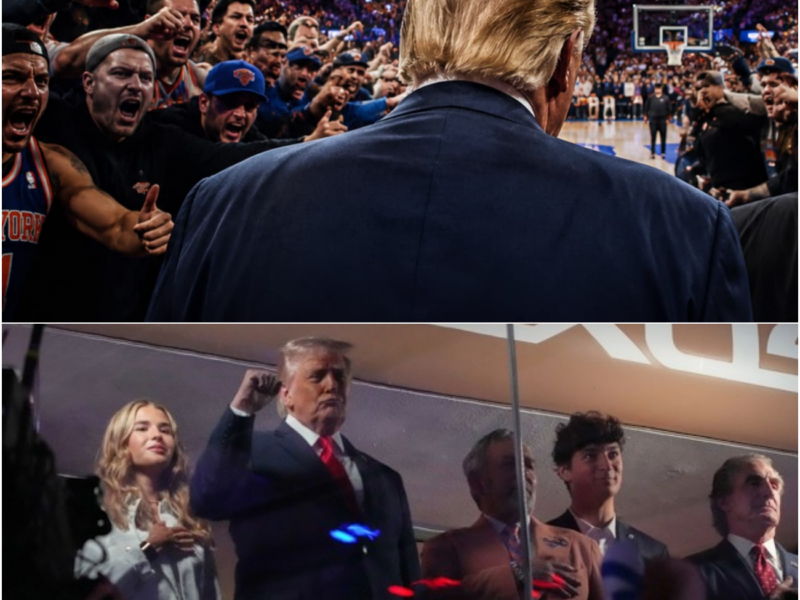
The spectacle at the Garden was not merely about basketball; it was a physical manifestation of the country’s deep-seated partisan animosity. When Donald Trump appeared at the arena, the response was immediate and visceral. Boos rained down from the rafters, a sound so pervasive it seemed to challenge the very concept of the presidency itself. Yet, amidst this storm of public rejection, the man himself remained seemingly unmoved, even caught in a mid-game slumber, projecting an image of detachment that only deepened the polarization. Meanwhile, on the opposite coast, the race for the mayoralty of Los Angeles became the latest theater for unsubstantiated claims of voter fraud. When reality television personality Spencer Pratt, a Trump-endorsed candidate, saw his lead slip into third place, the immediate reaction was not to question campaign strategy, but to declare the system “diabolical.”
The Garden of Discontent: Politics Meets the Hardwood
Madison Square Garden, a venue synonymous with triumph and the grit of New York City, transformed into a microcosm of American political tension during Game Three of the NBA Finals. The atmosphere was charged, but not just with the excitement of championship basketball. When Donald Trump entered the arena, the city—known for its unrelenting honesty—did not hold back. The overwhelming chorus of boos directed at the former president was a raw expression of public opinion, a stark contrast to the reverential treatment usually accorded to heads of state.
What made the moment truly surreal was the juxtaposition of elite celebrity culture—Spike Lee, Jay-Z, Larry David, and the ever-distracted DJ Khaled—with the polarizing presence of Trump. The spectacle served as a reminder that in 2026, the presidency is as much a brand as it is an office. Yet, the brand faltered. Trump’s apparent nap during the game was a symbol of a campaign—and perhaps an era—that is struggling to maintain its momentum. As observers noted, when you are a political figure, even a high-profile one, there are expectations of engagement that the former president seemed uninterested in fulfilling. The entire event became a metaphor for a political class that often appears disconnected from the very people it claims to lead.
The L.A. Mayoralty: A Crisis of Confidence
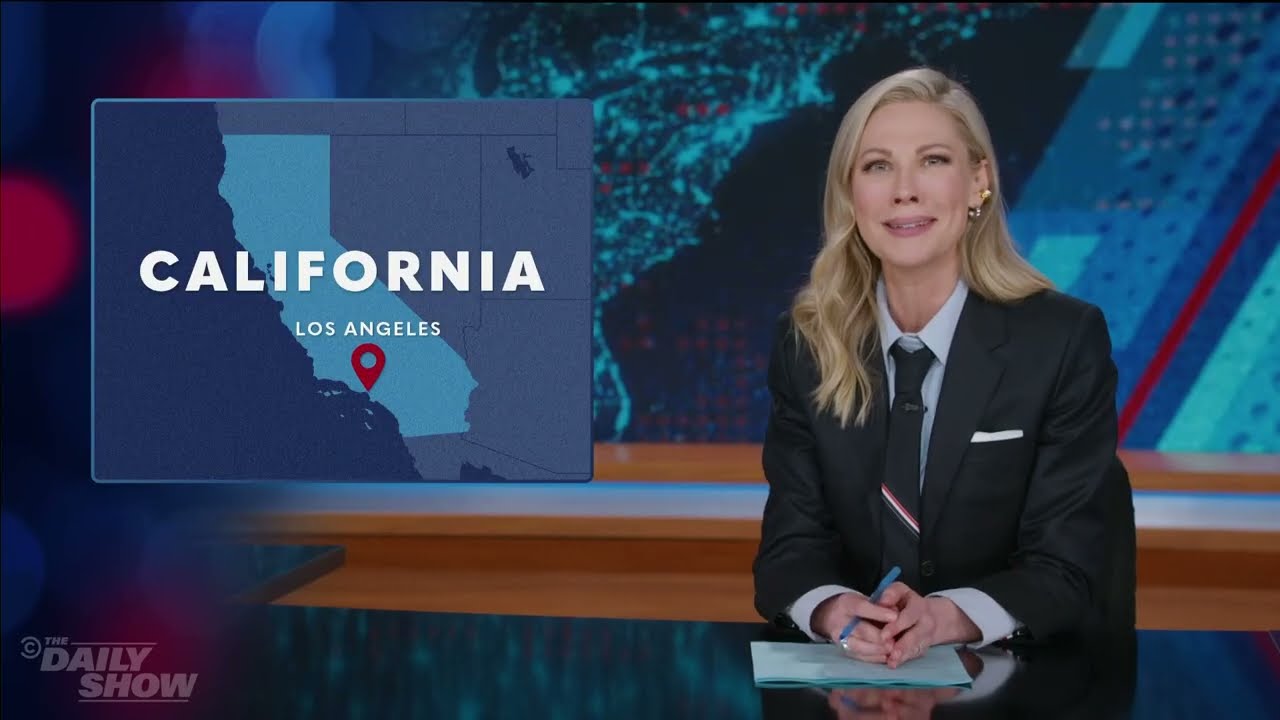
While New York was erupting in chants and boos, Los Angeles was quietly—or not so quietly—descending into a bureaucratic quagmire. The race for mayor, featuring reality star Spencer Pratt, has become a masterclass in the erosion of trust in the democratic process. When the primary votes shifted and Pratt dropped from second to third place, the immediate pivot to “unsubstantiated claims of voter fraud” was not just a political tactic; it was an admission of a deeper structural weakness.
The core of the issue in California lies in its Byzantine election procedures. With hundreds of thousands of mail-in ballots still to be processed—a system designed for inclusivity but often criticized for its susceptibility to delays—the vacuum created by the lack of immediate results has been filled with conspiracy theories. The rhetoric of “diabolical” systems and “stolen” elections, even in the absence of evidence, is proving to be a potent tool for candidates who refuse to accept defeat. It is a cynical play, aimed at a base that is increasingly conditioned to believe that any loss is, by definition, the result of corruption. The reality of the L.A. count, characterized by slow processing and rigorous verification, is far less sinister than the political narrative suggests, yet in the age of viral misinformation, perception has become the only reality that matters.

The Mechanics of Distrust: Why Systems Are Strained
The delay in the Los Angeles ballot count is not, as some suggest, a grand conspiracy, but rather a reflection of the complexities of a state that prioritizes ballot access. California’s mail-in system allows for ballots to be counted up to a week after the election, provided they are postmarked by Election Day. This is a deliberate policy choice, one that ensures that the voices of citizens who participate by mail are heard. However, in an era where voters have been conditioned to expect instantaneous results, this patience is interpreted as institutional incompetence or, worse, malice.
The “Tantric” pace of the counting, as some have jokingly dubbed it, exposes a vulnerability in the American political psyche: the inability to handle ambiguity. We live in a world of immediate gratification, where the time it takes to verify the integrity of a vote is seen as a weakness rather than a necessity. When candidates like Pratt amplify this impatience, they are not just questioning a specific election; they are attacking the foundations of electoral trust. The danger, in the long term, is that the system will become so delegitimized by constant, baseless accusations that even the most secure processes will be unable to overcome the perception of illegitimacy.

Future Scenarios: The Delegitimization of the Vote
If the current trend of questioning every election outcome continues, the future of American democracy looks increasingly unstable. We are entering a cycle where elections are no longer seen as a means to select leadership, but as an opportunity to contest the validity of the process itself. If this persists, we may see a significant decline in voter participation, as the electorate becomes disillusioned with a system they are told is constantly “rigged.”
Furthermore, as election cycles extend from days into weeks due to these procedural delays, the opportunity for political actors to sow discord grows exponentially. We could see a future where the “pre-result” period is marked by civil unrest, litigation, and a total collapse of public order. The events in Los Angeles are a warning: the administrative burden of democracy is being used as a weapon against the legitimacy of democracy.
Conversely, there is a potential for a return to norms. Public exhaustion with constant accusations of fraud might lead to a demand for streamlined, transparent, and—most importantly—faster counting processes that maintain security without the agonizing delays. If states can leverage technology and standardized procedures to provide quicker results, they may be able to deprive conspiracy theorists of the “dead time” they need to craft their narratives. The choice before us is clear: do we evolve the mechanisms of our elections to match the pace of the 21st century, or do we allow the mechanics of our democracy to be dismantled by those who stand to gain from its chaos? The ballot box is the last bastion of our shared political commitment; it is time we protected it from the cynical theater of the absurd.