Homeland Security Chief Breaks Silence After World Cup Referee Denied U.S. Entry
World Cup Controversy Grows as Homeland Security Chief Responds to Referee Visa Dispute
The World Cup Border Crisis: The Denial That Shook the Global Stage

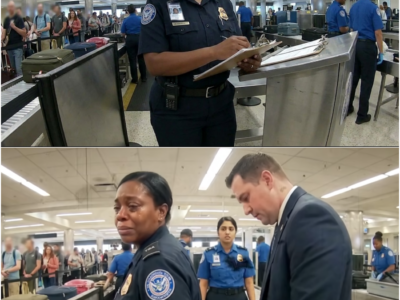
The dream of a historic moment in Somalia was shattered in the sterile, fluorescent-lit corridors of Miami International Airport. Omar Artan, a man who had ascended the ranks to become the pride of his nation—named the African Football Confederation’s Referee of the Year in 2025—stepped off his flight from Istanbul with the world at his feet. He was set to be the first Somali referee in the history of the FIFA World Cup, a beacon of progress and athletic excellence for a country hungry for international recognition. But instead of the emerald green of the pitch, Artan was met with the cold finality of U.S. border security.
What unfolded next was a geopolitical firestorm. Despite holding what he believed was a valid visa for work in the United States, Artan was detained, interrogated, and ultimately deemed “inadmissible” by U.S. Customs and Border Protection (CBP). The reason provided by an administration official was chilling: derogatory information had been uncovered, including alleged associations with suspected members of terror organizations. The decision was swift, absolute, and effectively ended his World Cup career before it could even begin.

As news of the denial broke, the international sporting community erupted in disbelief. For FIFA, the world governing body of soccer, the incident represented a logistical and public relations nightmare. In the face of mounting criticism, FIFA washed its hands of the diplomatic fallout, reiterating that the organization is “not involved in host country immigration processes.” Yet, the situation on the ground told a different, more chaotic story.
The incident involving Artan is far from an isolated case. From the Iranian squad facing logistical hurdles that have effectively banished them to training bases across the Mexican border, to Iraqi team staff members detained for hours and UK fans finding their authorized travel status revoked just days before kickoff, the 2026 World Cup has become a theater of immigration friction. These are not merely administrative hiccups; they are the tangible, often devastating consequences of a tightening U.S. border policy colliding with a tournament designed to unite the globe.

As the tournament moves forward, the “border crisis” of the 2026 World Cup continues to evolve. The case of Omar Artan serves as a stark reminder that in the eyes of national security, no badge or international accolade guarantees passage. It raises profound questions about the intersection of sport and sovereignty, and whether the U.S.—the primary host of this global event—can successfully manage the delicate balance between securing its borders and honoring its commitment to a tournament that promises to be a spectacle for all nations. As the world watches, the question remains: who is truly welcome, and at what cost to the spirit of the game?