How Atlanta Is Transforming Downtown and Helping End Homelessness
Downtown Rising: Inside Atlanta’s Inspiring Mission to End Homelessness and Transform Lives
The Great American Reawakening: Inside the Georgia Blueprint That Is Quietly Erasing the Homeless Crisis
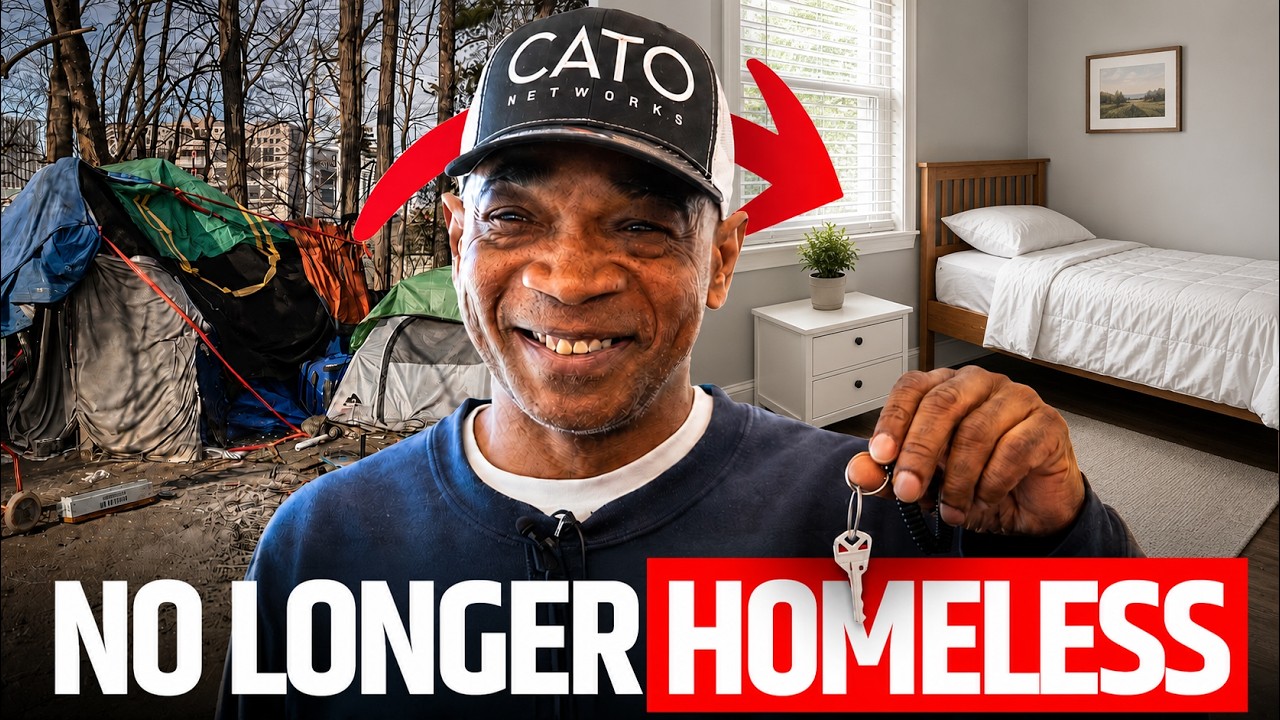
In the heart of the American South, a revolution is taking place—one that is as radical as it is quiet, and as effective as it is unexpected. For years, the story of urban America has been one of deepening despair: sprawling tent cities, the clanging of handcuffs, and the relentless, grinding cycle of poverty that seemed, to many, to be an unsolvable malignancy. But in Atlanta, Georgia, the script has been flipped. A quiet, systematic dismantling of the status quo is proving that homelessness is not an inevitability of modern society, but a policy failure that can—and is—being corrected with breathtaking speed.
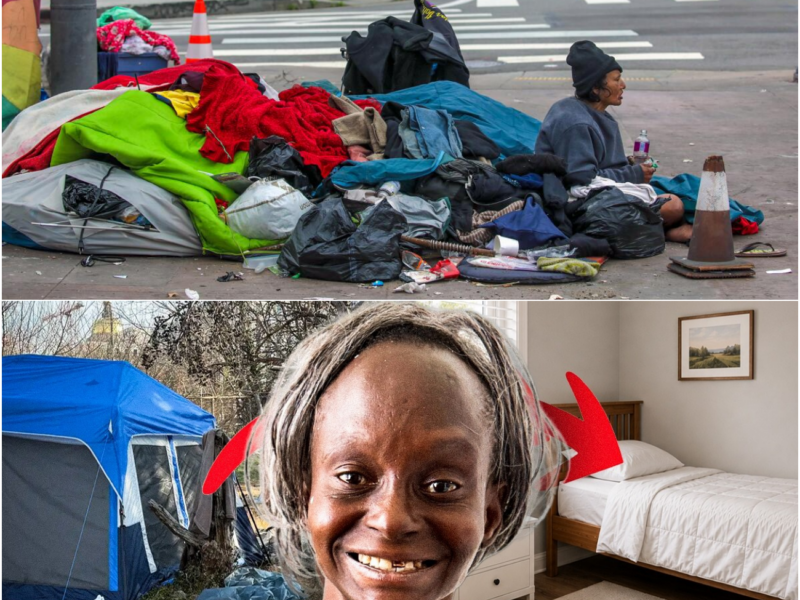
The statistics are grim across the nation. We are witnessing a double-digit spike in homelessness, an affordability crisis that has left thousands shivering under bridges and sleeping on cold concrete while city leaders often resort to costly, temporary “sweeps” that only scatter the suffering rather than curing it. It has been a vicious, multi-billion-dollar game of Whac-A-Mole.
But Atlanta dared to ask a different question: What if we stopped managing the misery and started ending it?
The answer, captured in the striking documentary Downtown Rising, reveals a city that has abandoned the “band-aid” approach of isolated charities in favor of a synchronized, $235 million, data-driven engine. They aren’t just providing blankets; they are providing keys. By cutting the bureaucratic red tape that often leaves desperate individuals waiting years for support, Atlanta has slashed the journey from the street to a stable home to an average of just 48 days. To put that in perspective, the national average remains a staggering 166 days, with many languishing for years.
This is not a theoretical model; it is a live, breathing transformation occurring on the very streets where, only months ago, the city’s most vulnerable were treated as invisible ghosts.
The Anatomy of the Miracle: From Tents to Keys

The transformation is anchored by a philosophy that recognizes housing as a foundational right rather than a reward for perfect behavior. At the Gateway Center, the philosophy is simple: you don’t need to pass a drug test or have your mental health perfectly managed to enter the program. You need a door to lock, a shower to cleanse in, and a team that refuses to abandon you.
Consider the stories of those who, for years, survived the terrors of the night. One woman, who had lived in foster care and later on the streets for decades, described the agony of existence where every night was a gamble against robbery or violence. Her survival was a daily, traumatic grind. Today, she speaks of the “serenity” of her own apartment—a stark contrast to the dark, paranoid psychosis born of sleep deprivation and constant fear.
This initiative, Atlanta Rising, has already surpassed its ambitious goal of rehousing 400 unsheltered individuals downtown, with hundreds more units of permanent supportive housing under construction. They have turned derelict 1950s roadside motels into dignified, supportive living spaces, proving that the infrastructure for change already exists if we have the political will to repurpose it.

The Economic Logic of Compassion
Critics often point to the high price tag of social services, but the data tells a far more compelling story: homelessness is an astronomical expense for the American taxpayer. When an individual is left on the street, the costs for emergency medical services, police interventions, and incarceration pile up with staggering efficiency.
One medical emergency room visit can cost the public system $12,000. By stabilizing an individual in housing with supportive services, a city can often pay for that housing unit for months with the savings from just one avoided crisis. This is not charity; it is financial common sense. The “muscle” that Atlanta has been building for over a decade shows that when we prioritize housing over criminalization, the streets become safer, the public resources become more efficient, and the human cost of our failures begins to drop.

The Future of the American City
As we look toward the future, the lessons from Atlanta are a beacon of hope for every major city from Los Angeles to New York. The crisis is undeniably nationwide, and as the affordability gap widens, the risk to our social fabric grows. But the blueprint is clear: coordinate, expedite, and prioritize housing above all else.
The final piece of the puzzle, according to those on the ground, is prevention. Stopping the “inflow”—keeping families from losing their homes in the first place—is the next frontier. If we can apply the same radical speed and coordination to prevention that Atlanta has applied to rehousing, we might finally see the end of this modern American tragedy.

Atlanta is proof that the “worst of the worst” situations are reversible. The “dark place” described by those who once contemplated suicide is not a final destination. With consistency, compassion, and a stubborn refusal to accept the status quo, the cycle can be broken. The question now is not whether we can solve homelessness, but whether we have the collective courage to replicate this success.