How Dallas Is Helping People Leave Homeless Encampments Behind for Permanent Homes
From Homeless Encampments to Permanent Homes: How Dallas Is Transforming Lives With a New Approach to Homelessness
From Encampments to Homes: How Dallas Is Solving Homelessness

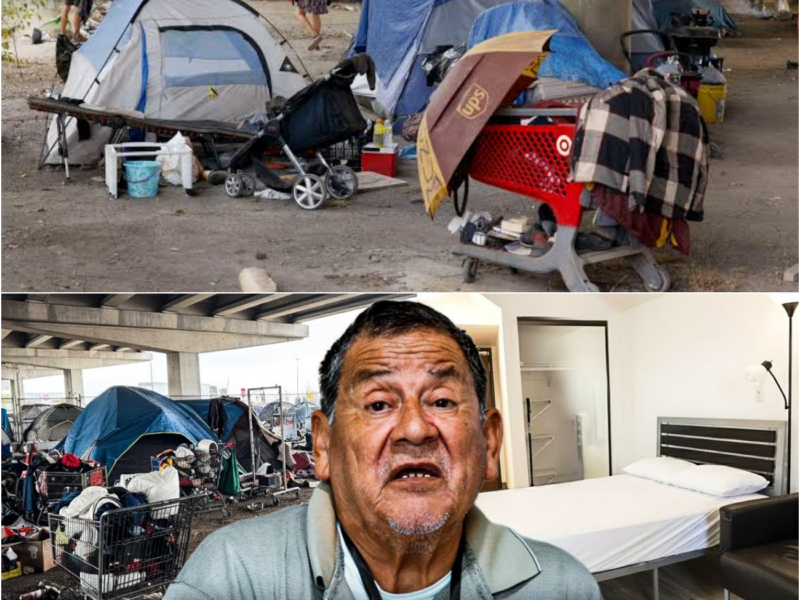
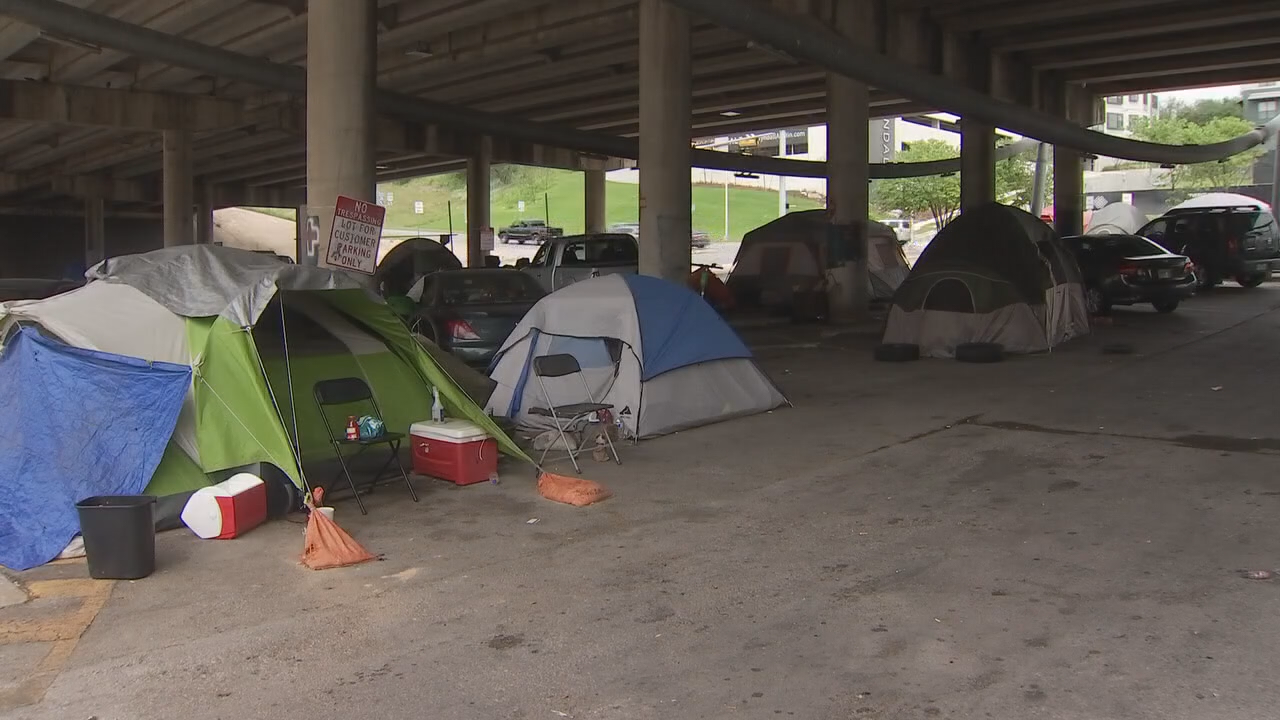
The sun rose over downtown Dallas, casting long, stark shadows across the concrete—a scene that, for over a decade, looked like a permanent tableau of human despair. Sidewalks were impassable, choked by an endless, undulating sea of weathered tents, rusted shopping carts, and makeshift pallets. To the average passerby, this was an unsolvable urban blight. For the individuals living within this maze, it was a daily, grinding battle for survival.
But beneath this grim reality, a quiet, seismic shift was underway. In a move that defied conventional political wisdom, the city of Dallas, alongside dedicated local organizations like The Stewpot, began to dismantle the “whack-a-mole” strategy that had defined American homelessness policy for years. They didn’t just move people; they solved the problem.
For fifteen years, one man survived in a shack constructed of wire mesh. Another woman, reeling from the loss of her mother, found herself with a teenager in tow, trapped in a cycle of housing instability that eventually landed them on the streets. These were not statistics; they were lives suspended in a state of constant, terrified waiting. “I built a shack out of wire mesh,” one man recounted, a testament to the sheer ingenuity born of necessity. “I stayed in the same chair and position sitting upright for two straight days,” another woman shared, describing the sheer terror of her first night in the park.
Then, everything changed. The city and its partners launched a coordinated, multidisciplinary effort. Instead of the traditional, aggressive “sweeps” that destroy possessions and displace trauma, this new approach prioritized deep, persistent engagement. Outreach teams fanned out across identified zones, offering not just the promise of shelter, but a dedicated pathway to permanent housing. It was intense, labor-intensive, and absolutely necessary.
The results are staggering. Since 2021, Dallas has housed nearly 17,000 individuals, contributing to a 28% decrease in unsheltered homelessness. In the downtown core, the change is visceral—grass, benches, and open sidewalks have replaced the tent cities. Public safety improved dramatically, with crime in targeted areas dropping by 26% in mere months. It turns out that when people have keys to their own doors, they stop cycling through jails and emergency rooms.

Critics have long argued that providing services to the homeless would invite crime and degrade neighborhoods. Dallas has become the “poster child” for the exact opposite. Property values in once-affected areas have surged by over 350%, and businesses that were once exhausted by the chaos are now partners in the strategy. “Homelessness is not a moral failing,” observers noted; “it is a reflection of a system that is not working for everyone.”
Looking to the future, this model suggests a fundamental pivot for cities across the United States. The strategy of criminalization, while politically convenient, is a colossal waste of taxpayer resources that ensures the crisis remains stagnant. By treating homelessness as a housing deficiency rather than a criminal one, Dallas has proven that the “impossible” is simply a matter of political will, project management, and the courage to stop treating human beings as liabilities to be moved.
As more cities face the escalating crisis of housing affordability, the lessons from Dallas are clear. The path forward is not found in fences or jails, but in the mundane, beautiful sound of a key unlocking a front door. For the thousands who have moved from the concrete to their own private sanctuaries, the future is no longer a day-to-day battle for survival, but a life reclaimed. It is a powerful reminder that when a community decides to prioritize human dignity, the transformation is not just possible—it is inevitable.