JD Vance and Keir Starmer Clash as Public Anger Grows Over Fatal Stabbing Case
Vance and UK Prime Minister Trade Sharp Words During Debate Over High-Profile Stabbing
The Transatlantic Breach: JD Vance and the Political Firestorm Over a British Tragedy

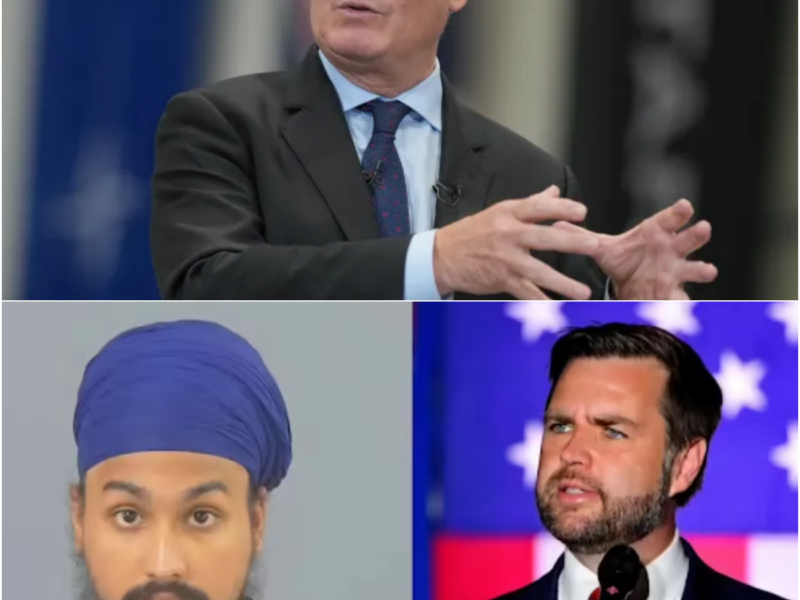
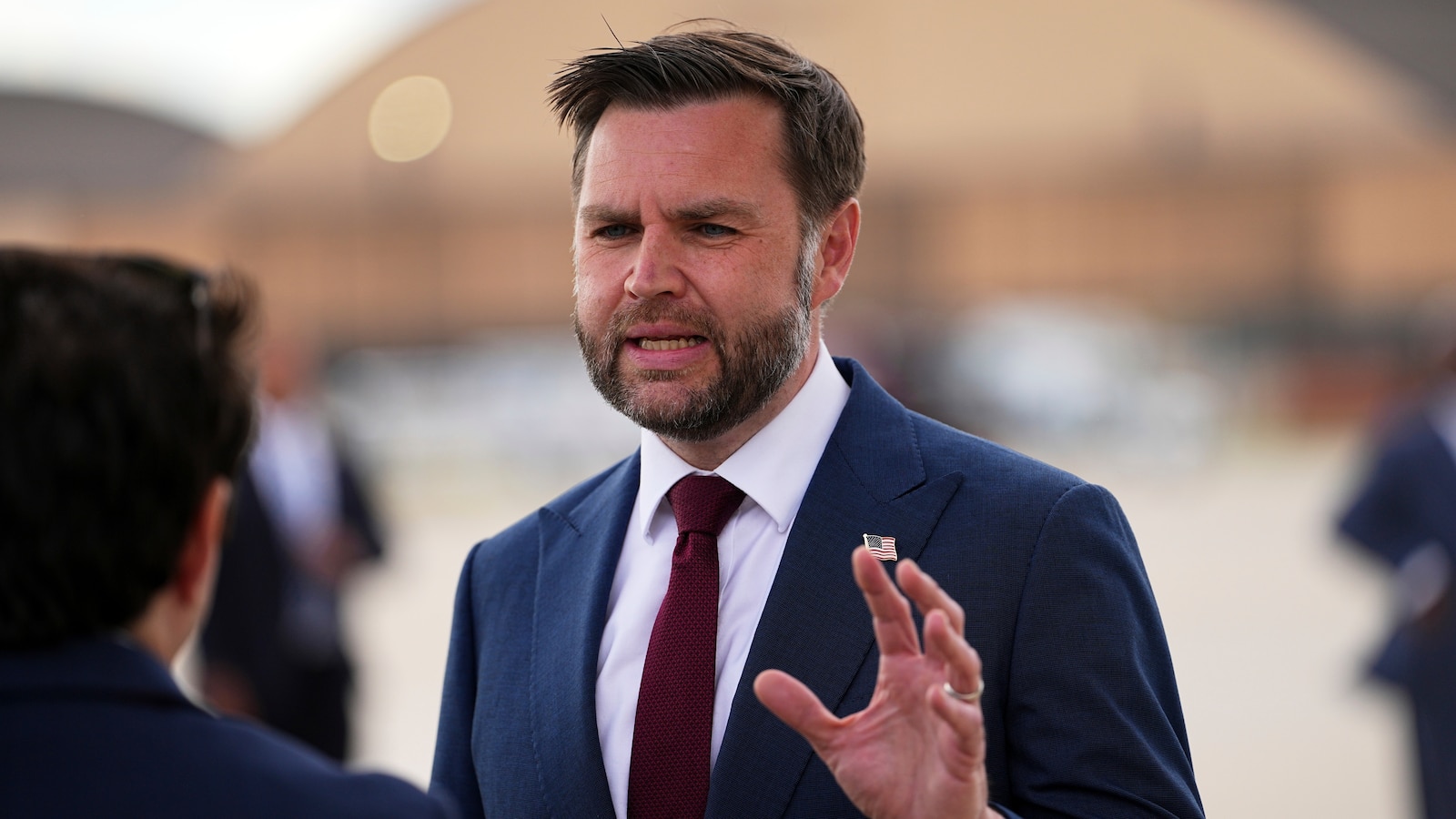
The quiet streets of Southampton, England, have become the epicenter of a geopolitical earthquake. It began with the senseless, tragic murder of 18-year-old student Henry Nowak, a life cut short by a brutal stabbing. But in the days since the trial concluded, the tragedy has transcended borders, sparking a fierce and unprecedented diplomatic confrontation between the United States and the United Kingdom. When U.S. Vice President JD Vance took to social media to frame the killing as a symptom of a crumbling Western civilization—blaming “mass migration” and “self-loathing politics”—he ignited a powder keg. The British government, led by Prime Minister Keir Starmer, has fired back, accusing the American administration of inflammatory interference in British democracy.
This is more than a war of words; it is a profound rupture between two of the world’s closest allies. At the heart of the conflict lies a clash of narratives. For Vice President Vance and his allies, Henry Nowak’s death is a clarion call, a symbol of what happens when a nation loses its cultural and sovereign footing. For Downing Street, the American intervention is a reckless attempt to exploit a grieving family’s loss to fuel far-right populism and stir unrest on British streets. As protests turn violent in Southampton and the rhetoric reaches a fever pitch, the question arises: are we witnessing the beginning of a new era of isolationist interventionism, where even the most intimate tragedies of our allies are treated as ammunition for the American culture war?
The Anatomy of an Intervention
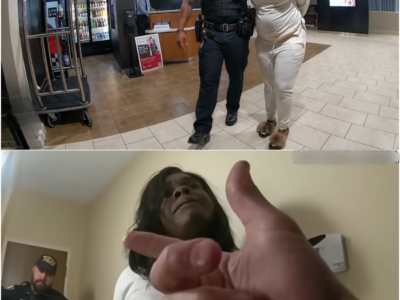
The case itself is chilling. Henry Nowak, a young man with his life ahead of him, was stabbed in December by 23-year-old Vickrum Digwa. In a horrifying twist, responding police officers, misled by false claims of a racial incident, initially handcuffed the dying student rather than rendering the life-saving aid he desperately needed. The police have since apologized, and an investigation is underway. However, when the legal proceedings wrapped up last week, the U.S. Vice President bypassed typical diplomatic protocols.

Vance’s assertion that Nowak “would still be alive had European leaders stood firm against mass immigration” has been rejected by British officials as factually distorted and deeply divisive. The friction highlights the “Trumpian” approach to foreign policy, which treats ideological alignment as more critical than traditional diplomatic deference. This is a departure from the post-war status quo, where allies generally maintained a hands-off approach to one another’s internal criminal justice and social debates.
Future Scenarios: The Cost of Ideological Diplomacy
What happens when two major powers stop pretending to share a unified outlook on social stability? If the current trend of “ideological interventionism” continues, the consequences for the “Special Relationship” could be catastrophic.
The Diplomatic Deep Freeze: We may soon see a cooling of intelligence and security cooperation. If the U.K. government begins to view U.S. administrations as active supporters of their domestic opposition, they may become less inclined to share sensitive information or coordinate on global security threats like those in the Middle East or Eastern Europe.
The Economic Ripple: Britain is a primary destination for American foreign direct investment. If the political climate turns toxic, businesses may face “cross-border boycotts.” We could see a scenario where, within five years, the U.K. pivots toward more independent trade deals, explicitly seeking to distance its economy from the “volatile” political cycles of Washington.
The Rise of Populist Coalitions: By publicly backing anti-establishment figures in Europe, the U.S. is essentially betting on a future where traditional center-left or center-right governance is replaced by populist-nationalist parties. If this bet fails—if the current governments hold firm—the U.S. risks being isolated from the very power structures it helped build, essentially losing its most reliable strategic partner in Europe.
The standoff between Vance and the British government is not just about one teenager’s death. It is about the soul of the Western alliance. If this, our most storied friendship, can be strained to the breaking point by a social media post, what does that mean for the stability of the global order as we approach 2030?