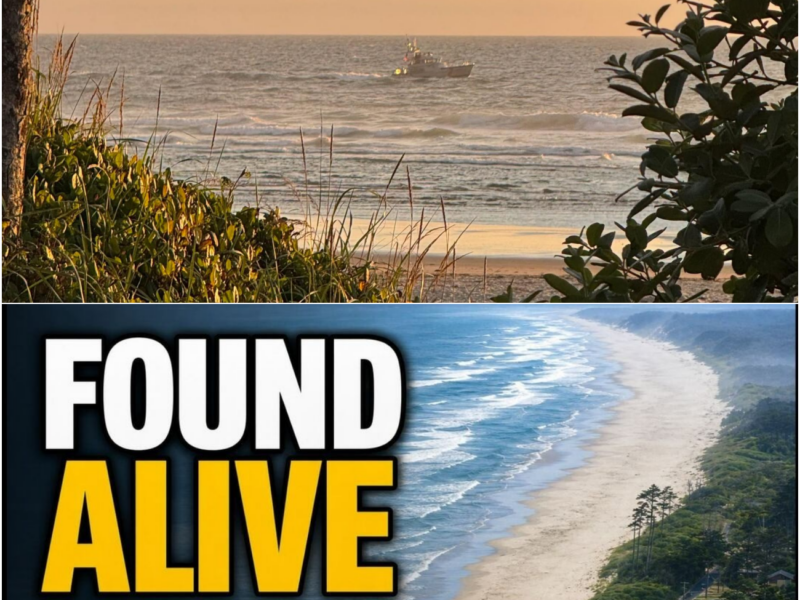
Missing 4-Year-Old Found Safe Five Miles Away After Massive Search at Cape Lookout State Park
Missing 4-Year-Old Found Safe Five Miles Away After a Massive Search at Cape Lookout State Park Brings a Heartwarming Ending
The Miracle at Cape Lookout: A Child’s Night of Survival

The sun was setting on an Independence Day that quickly descended into a parent’s darkest nightmare. At Cape Lookout State Park, a place known for its rugged beauty and the unforgiving power of the Pacific Ocean, a four-year-old child vanished. In the span of a single heartbeat, the laughter of a young girl playing with relatives near the campground was replaced by the deafening silence of panic. She was gone.
For three agonizing hours, time seemed to stand still. As the shadows lengthened across the Oregon coast, an army of first responders, search-and-rescue teams, and the U.S. Coast Guard converged on the area. The air was heavy with an unspoken, terrifying dread. Everyone knew the geography of Cape Lookout. They knew the “sneaker waves” that could drag an unsuspecting toddler into the abyss with no warning. They knew the freezing temperatures that turn a coastal evening from refreshing to lethal. With every passing minute, the fear intensified: had she already been swallowed by the dark, churning water?
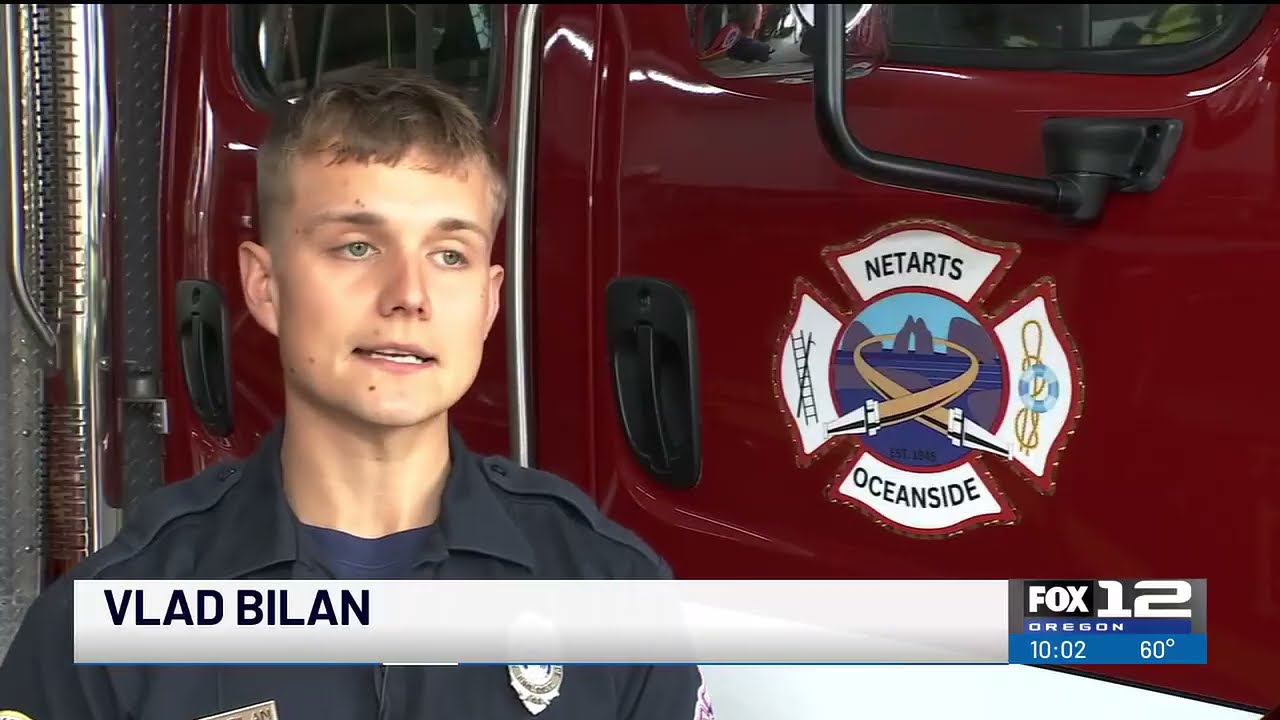
The situation was further complicated by a language barrier, a wall that threatened to hinder the precious, life-saving information needed to trace her steps. But in the midst of this chaos, a flicker of hope emerged. A first responder, fluent in the family’s native Russian, stepped forward, turning the frantic search into a coordinated effort.
What followed was a journey of sheer, inexplicable resilience. While rescuers scanned the horizon for a body, the four-year-old was embarking on an odyssey of her own. She had walked, over sand and stone, five miles away from the safety of her camp. When she was finally found, hypothermic, dehydrated, and utterly alone on the nearby spit, she was a small, shivering miracle against the vast, indifferent landscape. The reunion that followed, marked by the tears of an aunt and the shy, sudden return of the child’s smile in the back of an ambulance, stands as a testament to the fragile line between tragedy and hope.
The Perils of the Coast: Why Cape Lookout Remains a Hazard
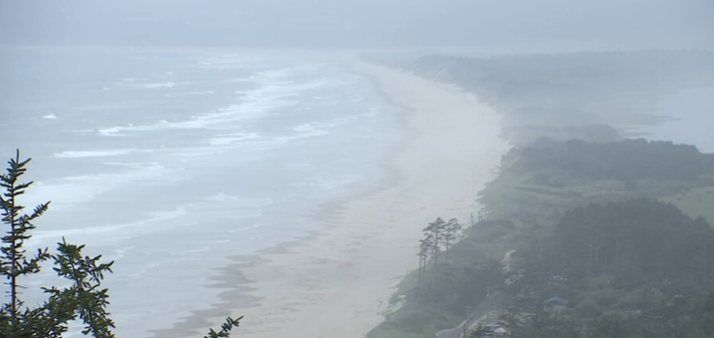
Cape Lookout State Park, located on the Oregon coast, is a geological paradox. It offers some of the most stunning vistas in the Pacific Northwest, drawing thousands of visitors annually. However, its beauty masks significant dangers that are often misunderstood by tourists and even locals.
The primary threat is the shoreline itself. The Pacific Ocean, particularly along the Oregon coast, is infamous for “sneaker waves”—rogue swells that surge much higher and farther up the beach than the average wave. These waves possess enough force to knock an adult off their feet; for a child, they can be fatal. The terrain is equally rugged. Massive cliffs, soft sand that can cause exhaustion, and dense coastal brush create a landscape where it is incredibly easy to lose one’s orientation.
When a child wanders away, the clock starts ticking immediately. Hypothermia in Oregon’s coastal air can set in surprisingly quickly, even in the summer, as temperatures drop after the sun sets. The dehydrating effects of the salt air and the physical exertion of walking five miles would have placed a massive strain on a four-year-old’s body. The fact that this child was found in “good condition” despite these factors is an anomaly that medical experts might study for years.
:max_bytes(150000):strip_icc():focal(749x0:751x2)/oregon-missing-girl-search-070626-a701fb8c81334d57b4842c75797e5f30.jpg)
The Dynamics of Search and Rescue (SAR)
The efficiency of the rescue at Cape Lookout was due to the rapid, multi-agency response. In SAR operations, the first hour is known as the “Golden Hour.” The immediate mobilization of the Oceanside Fire District, local sheriff’s deputies, and the U.S. Coast Guard created a “net” that captured critical terrain before the child could wander further into dangerous zones.
Communication was the linchpin. The presence of EMT Vlad Bilon, who was fluent in Russian, was not just a convenience—it was a strategic asset. In high-stress situations, families in shock often provide fragmented or imprecise information. A translator allows rescuers to extract precise details about the child’s last known location, their physical capabilities, and any potential landmarks they might have recognized. This allows for a more focused search grid, preventing the wastage of precious resources.
Looking Toward Future Safety Standards
The incident at Cape Lookout serves as a grim warning. Future scenarios for coastal park management must include:
Enhanced Signage: Implementing more visual warnings regarding sneaker waves and terrain difficulty.
Real-time Tracking: While not common for casual day-trippers, the rise of affordable GPS trackers for children could mitigate such risks in the future.
Multi-lingual Emergency Protocols: Ensuring that rescue units have immediate, remote access to multi-lingual personnel or AI-driven translation tools to close communication gaps instantly.
As we analyze this event, it becomes clear that while technology and procedure are vital, the human element—the bravery of the first responders and the unexpected resilience of a child—remains the ultimate factor in survival. The “Miracle at Cape Lookout” is a story that will be told for years, a stark reminder of the wild nature of our environment and the critical importance of keeping our loved ones close.