New Details Released in Austin Shooting Spree as Police Arrest 3 Suspects and Reveal Full Timeline of Chaotic Attacks
New Details Released in Austin Shooting Spree as Police Arrest 3 Suspects and Reveal Full Timeline of Chaotic Attacks
TERROR IN THE TEXAS CAPITAL: THE 24-HOUR SHOOTING SPREE THAT EXPOSED A BROKEN SYSTEM AND LEFT A COMMUNITY REELING

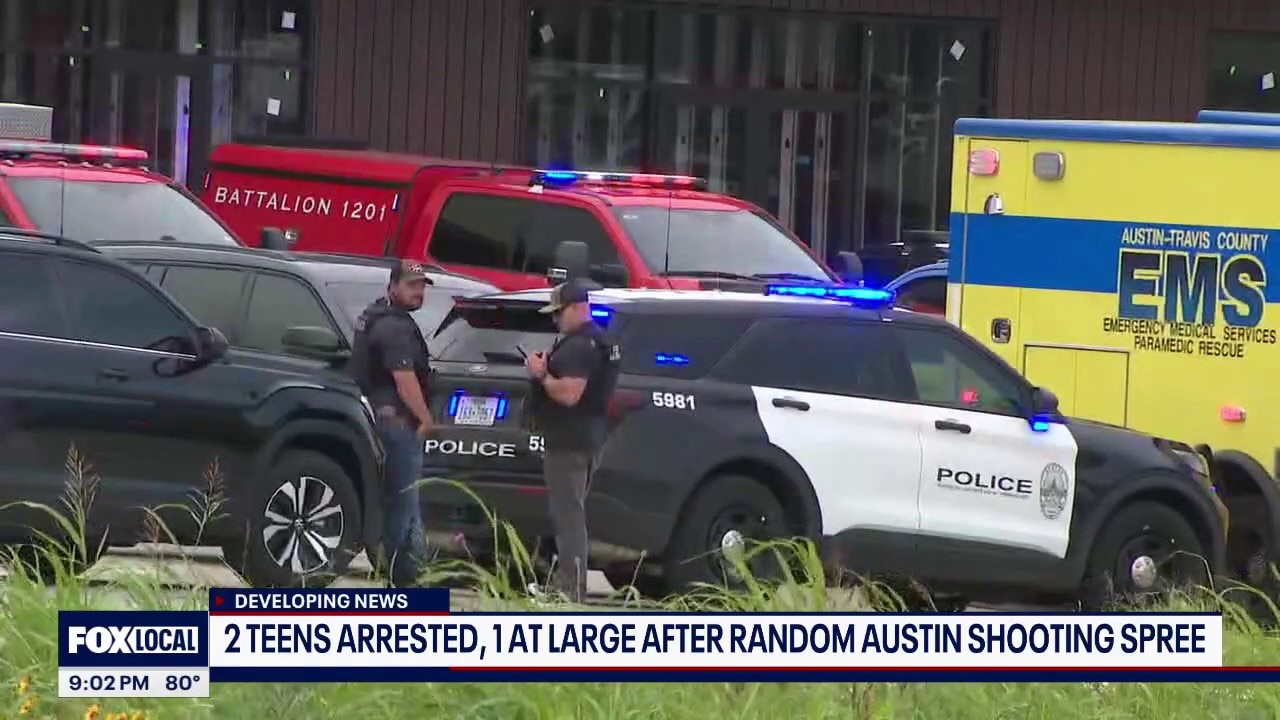
AUSTIN, Texas — The silence of a quiet Sunday nap in a peaceful Austin neighborhood was shattered not by a storm, but by the terrifying reality of a modern-day crime spree that has brought the capital of Texas to its knees. For twenty-four hours, a trio of teenagers turned the city into a personal war zone, engaging in a string of violent encounters that included the theft of five vehicles, the brazen targeting of emergency infrastructure, and a dozen separate shootings that left innocent civilians fighting for their lives in trauma centers. As the dust settles and the suspects remain in custody, the city is grappling with an even more harrowing question: How did three known juvenile offenders, who were previously flagged and caught in the act of violent theft, find themselves back on the streets with the ability to launch such a catastrophic, multi-day rampage?
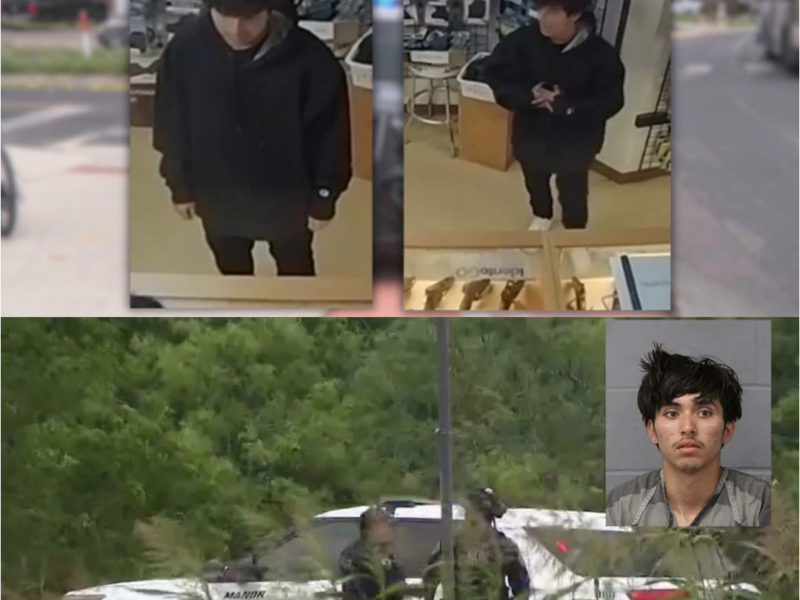
The events that transpired over the weekend have sparked a firestorm of political outrage, pitting business owners, law enforcement, and state officials against a judicial system that many now claim has failed fundamentally to protect the public. The timeline, now released in its entirety, depicts a harrowing, relentless sequence of violence. It began with the brazen theft of a firearm from a local gun shop—a crime that shop owner Michael Cargill claims was the latest in a long, documented pattern of criminal behavior by these exact individuals—and rapidly escalated into a terrifying odyssey of chaos that forced homeowners to take the law into their own hands. As the city confronts the trauma of twelve separate shooting incidents, the finger-pointing has already begun, reaching all the way to the governor’s office, where officials are calling for a complete overhaul of how the justice system handles serial juvenile offenders.
For the people of Austin, this was not just a crime spree; it was a wake-up call regarding the fragility of their personal safety. From the moment the suspects burst out of a storefront with a stolen weapon, the entire sequence of events seemed to bypass the usual deterrents of law enforcement. Emergency fire stations were targeted, apartment complexes were turned into scenes of violence, and the suspects, aged 15, 16, and 17, seemed to operate with a “callous disregard for life” that has sent shockwaves through the local government. As investigations deepen, the focus is shifting toward the accountability of the Travis County District Attorney’s office, with critics demanding to know why the system did not hold individuals who had already been identified as “very dangerous” by those who encountered them in previous crimes. The weekend’s violence has effectively turned Austin into a battleground for a broader, national debate on juvenile justice, public safety, and the efficacy of modern policing.
Part I: The Manhunt in the Backyard
The human toll of the spree became incredibly personal for one Austin-area resident, Justin Nulan, whose quiet neighborhood, located approximately 12 miles northeast of the city, became the final theater of the suspects’ desperate escape. Nulan had been attempting to enjoy a weekend nap when the sudden arrival of law enforcement, barking dogs, and the realization that his property was being used as a hideout turned his afternoon into a scene from an action thriller.
“I noticed my barn doors were open, which I did leave open, and I decided at that time to go ahead and clear them to make sure nobody was in there,” Nulan recounted. What he found inside was far more chilling than he could have imagined: two of the three juvenile suspects hiding in the shadows of his barn.
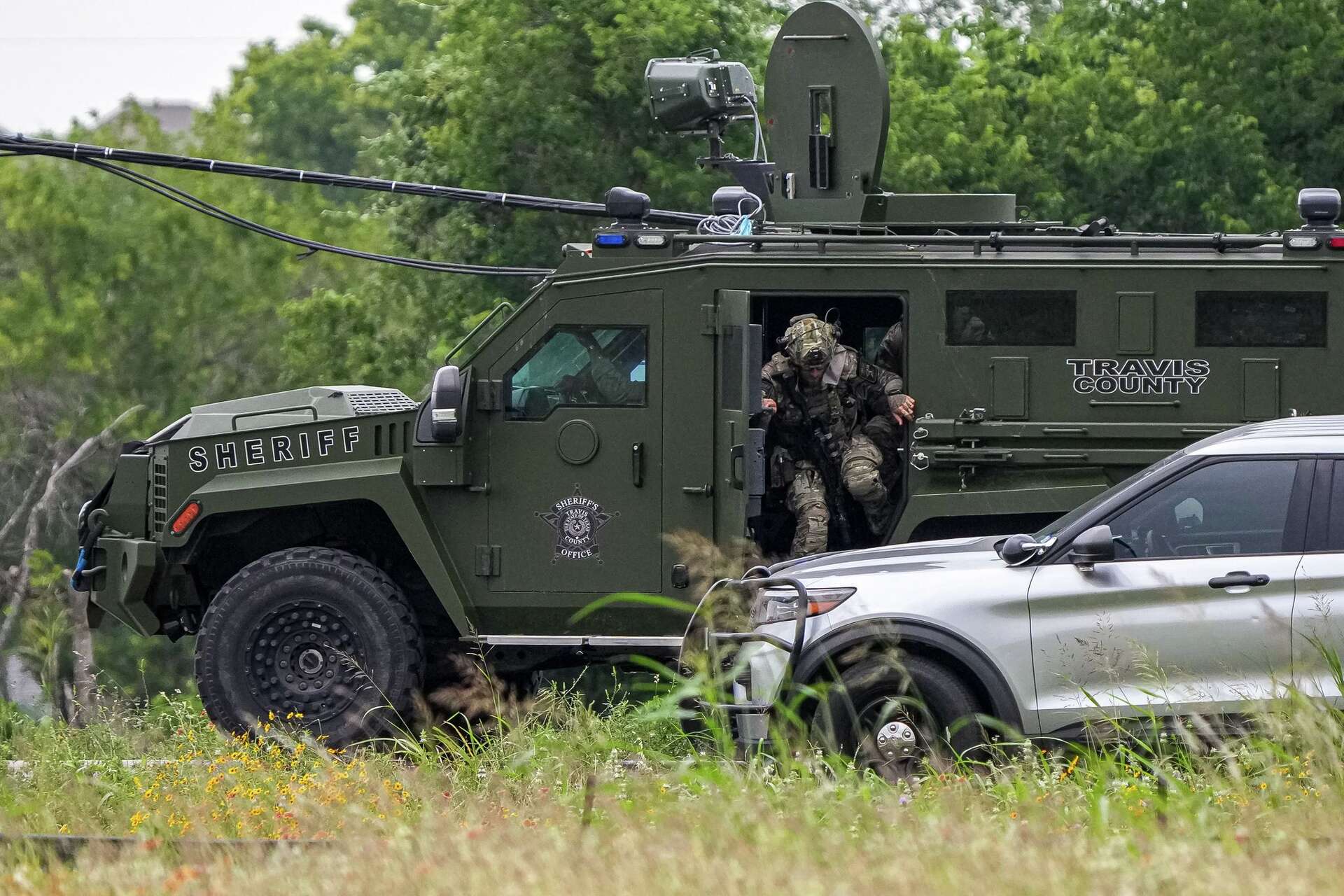
The ensuing interaction was a high-stakes test of resolve. Nulan, realizing the danger not just to himself but to the many elderly residents living nearby, described a moment of pure “fight or flight.” He managed to direct the suspects to remain calm while simultaneously coordinating with law enforcement and securing his own means of defense. In a heart-stopping conclusion to the standoff, Nulan gave chase, eventually cornering one of the teenagers at a fence line and holding them at gunpoint until SWAT teams and state troopers could arrive to finalize the arrest. Nulan’s actions, which he attributed to a desire to protect his vulnerable neighbors, have been heralded as a hero’s stand, but they have also highlighted the desperate reality of a community that felt it had to defend itself as the suspects evaded initial capture.
Part II: The Gun Shop Siege and the Failure of Prosecution
The genesis of the weekend’s violence points back to Central Texas Gun Works, where owner Michael Cargill has become one of the most vocal critics of the current legal response to juvenile crime. According to Cargill, the suspects involved in the weekend’s events were not unknown actors; they had a documented history of targeting his business.
Cargill detailed a harrowing incident from earlier in the year, involving 17-year-old Christian Mandreon, where he claims to have personally confronted the suspect on a city bus. Cargill describes a moment of terrifying intensity, where he prevented the suspect from leaving the bus after a theft, only to see the judicial system release the teenager into the custody of his parents shortly thereafter. “Unbeknownst to me, he was released from that system into the custody of his parents,” Cargill explained, noting that his office was never notified of the release or of a subsequent warrant for the teenager’s arrest.
This failure of communication between the judicial system and the victims of crimes has become the centerpiece of the public’s frustration. Cargill argued that he had provided “a silver platter” of evidence to the District Attorney’s office—including crystal-clear video, facial recognition data, and audio evidence—yet the suspects were still walking the streets, eventually graduating from petty theft to a high-speed vehicle theft and a 24-hour spree of violence. The frustration expressed by Cargill—that the system had the information required to prevent this escalation but chose not to act—is shared by many in Austin who feel that the current policies are fundamentally prioritizing the leniency of the juvenile system over the physical safety of the general public.

Part III: A City Under Siege
The technical details of the suspects’ path through Austin illustrate a level of coordination and disregard for human life that has left the police department reeling. Over the course of the 24 hours between Saturday and Sunday, the suspects successfully stole at least five different vehicles. They utilized these vehicles to navigate the city, firing weapons at multiple locations, including two separate Austin Fire Department stations.
The scale of the destruction is staggering. In total, four people were struck by gunfire during the spree, with one victim still fighting for their life in a local trauma center as of Monday. The Austin Police Department, supported by state resources, has since taken all three suspects—aged 15, 16, and 17—into custody.
However, the political fallout continues to escalate. Texas Governor Greg Abbott has taken a hardline stance, declaring these individuals to be “serial criminals” and demanding that the Travis County District Attorney’s office “do their job.” The Governor’s office has signaled that if the current legal system cannot keep these individuals behind bars, state authorities may need to intervene to ensure that “they do not harm again.” The rhetoric from the state level is clear: the incident is being viewed not as a failure of policing, but as a failure of prosecution.
Part IV: The Future of Austin’s Safety
As the investigation continues, the implications for the future of Austin’s urban safety and judicial policy are profound. The city is currently caught between a growing call for “tough-on-crime” measures, which are being championed by state officials and many local business owners, and the existing legal frameworks that emphasize juvenile rehabilitation.
Looking toward the coming months, the legal proceedings against the three teenagers are expected to become a national focal point for the broader debate on juvenile justice. If the prosecution fails to secure convictions that reflect the severity of the crimes, it is likely that the pressure on the Travis County District Attorney to resign or face a structural overhaul of their office will only increase.
Furthermore, the business community in Austin has begun to organize in the wake of the spree, demanding greater collaboration between local law enforcement and retail owners. The use of advanced surveillance technologies, such as facial recognition and license plate readers, has proven effective in providing investigators with real-time data, as seen during the weekend’s investigation. However, the disconnect remains in the response—the gap between “catching” the criminals and “keeping” them in custody.
The 2026 shooting spree has left a permanent scar on the psyche of Austin. As the community recovers and the victims continue to undergo treatment, the events of this past weekend serve as a somber reminder of the vulnerabilities inherent in modern city living. The city is now at a crossroads: it must decide whether to continue with current judicial policies or to embark on a radical, state-led transformation of its approach to juvenile offenders—a choice that will define the political and social climate of the Texas capital for years to come.