Paralyzed From the Neck Down by an AVM, He Refused to Let It Define Him—30 Years Later, His Life Is an Inspiration
Paralyzed From the Neck Down, He Refused to Give Up—30 Years Later, His Life Is Inspiring Thousands
The Unbroken Will: Thirty Years Beyond the Rupture
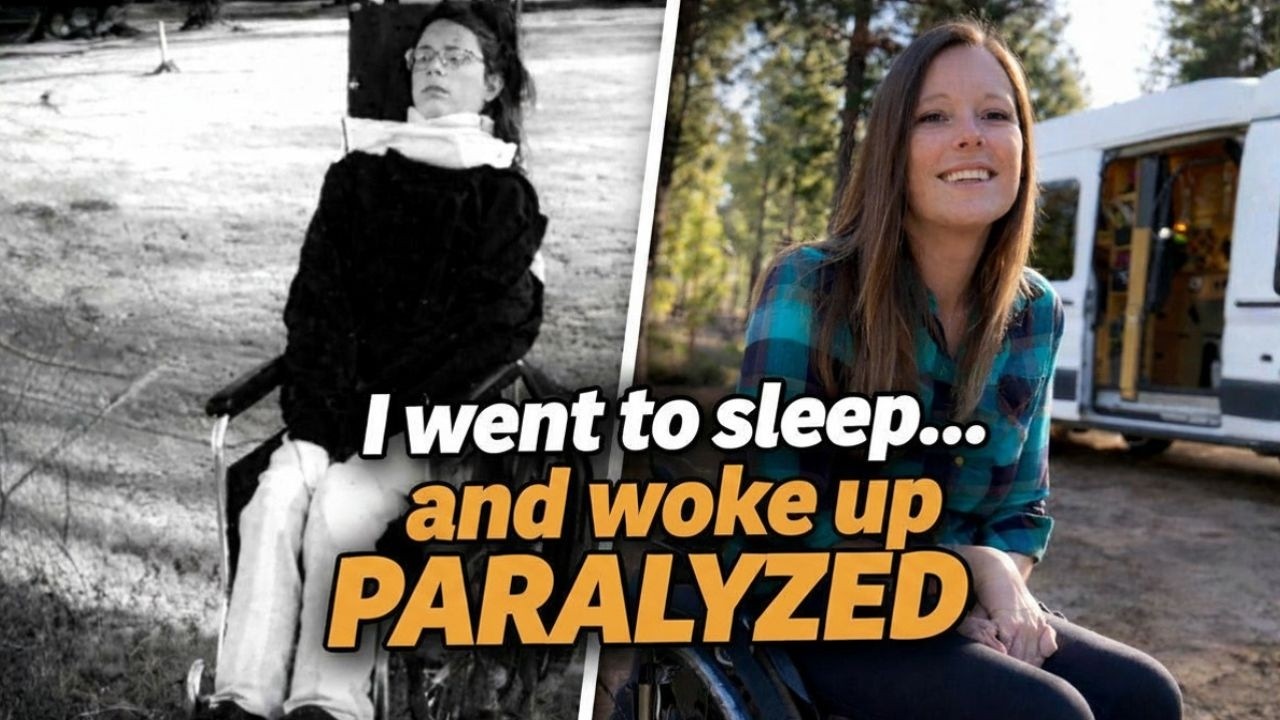
The alarm clock buzzed at 6:00 AM, a mundane sound that had signaled the start of a thousand ordinary days. I reached out to hit the snooze button, but my arm didn’t move. I tried again, focusing every ounce of my willpower on my shoulder, but there was nothing—no tingle, no tremor, not even the phantom sensation of a muscle fiber firing. Then, the sound began: a roaring, rhythmic pounding inside my skull that felt like a drum being beaten by a giant. My vision blurred into a kaleidoscope of terrifying, jagged lights, and a searing, white-hot pain tore through the base of my brain. I tried to scream, but my throat was a hollow pipe; my chest didn’t rise, and my lungs remained frozen in a state of suspended animation.
I had been hit by a ruptured Arteriovenous Malformation (AVM)—a congenital tangle of abnormal blood vessels that had been quietly pulsing in my brain for years, waiting for the precise moment to detonate. It was a vascular catastrophe of the highest order. By the time I reached the emergency room, I was technically alive but functionally detached from the world. The doctors were frantic, their voices muffled as if I were underwater. “Brainstem hemorrhage,” one of them whispered. “Total paralysis. The likelihood of cognitive function being preserved is minimal.”
I was twenty-two years old, and I had just been handed a life sentence of total physical silence. As they wheeled me toward the operating room, the terror was eclipsed by a singular, cold question: Is this where it ends? But even in that haze, buried deep beneath the layers of trauma and the crushing weight of immobility, a spark of defiance flickered. I didn’t know then that I wouldn’t just survive; I would become a pioneer of my own recovery.
Chapter 1: The Anatomy of Survival
The recovery process for an AVM rupture is not linear; it is a brutal, chaotic ascent up a mountain with no summit in sight. The initial months were a blur of sterile white rooms, the rhythmic beep of monitors, and the relentless, mechanical hum of a ventilator doing the work my body refused to do. The paralysis wasn’t just a loss of movement; it was a loss of identity. I was a person who loved movement, who thrived on activity, and suddenly, I was a passenger in a body that had ceased to function as a vehicle for my soul.
The first year was about survival—simple, biological survival. I had to relearn how to breathe without the tube, how to swallow, and how to communicate with nothing more than the movement of my eyes. This was the laboratory of my existence. Every success, like moving a single finger by a millimeter, was celebrated like a national holiday. But the real challenge was the mental toll. The medical community often focuses on the physical mechanics of healing, but they rarely address the existential dread that accompanies permanent disability. I had to learn how to exist in a world that was moving at a thousand miles per hour while I was confined to a chair.
Chapter 2: Navigating the New Normal
By the fifth year, the initial shock had worn off, replaced by the reality of living in a world not designed for people like me. I had to become my own advocate, a role I wasn’t prepared for. I spent years navigating the labyrinth of healthcare systems, disability insurance, and physical therapy regimens that were often outdated or ill-equipped for my specific needs.
It was during this period that I realized the traditional “rehabilitation” model was insufficient. It focused on fixing what was “broken” rather than optimizing what was still present. I began to look beyond the clinical definitions of my condition. I started experimenting with alternative therapies, unconventional assistive technologies, and a radical approach to physical activity that emphasized mind-body connection over simple repetition. I was no longer just a patient; I was a researcher in the field of my own recovery.
Chapter 3: The Architecture of a Life
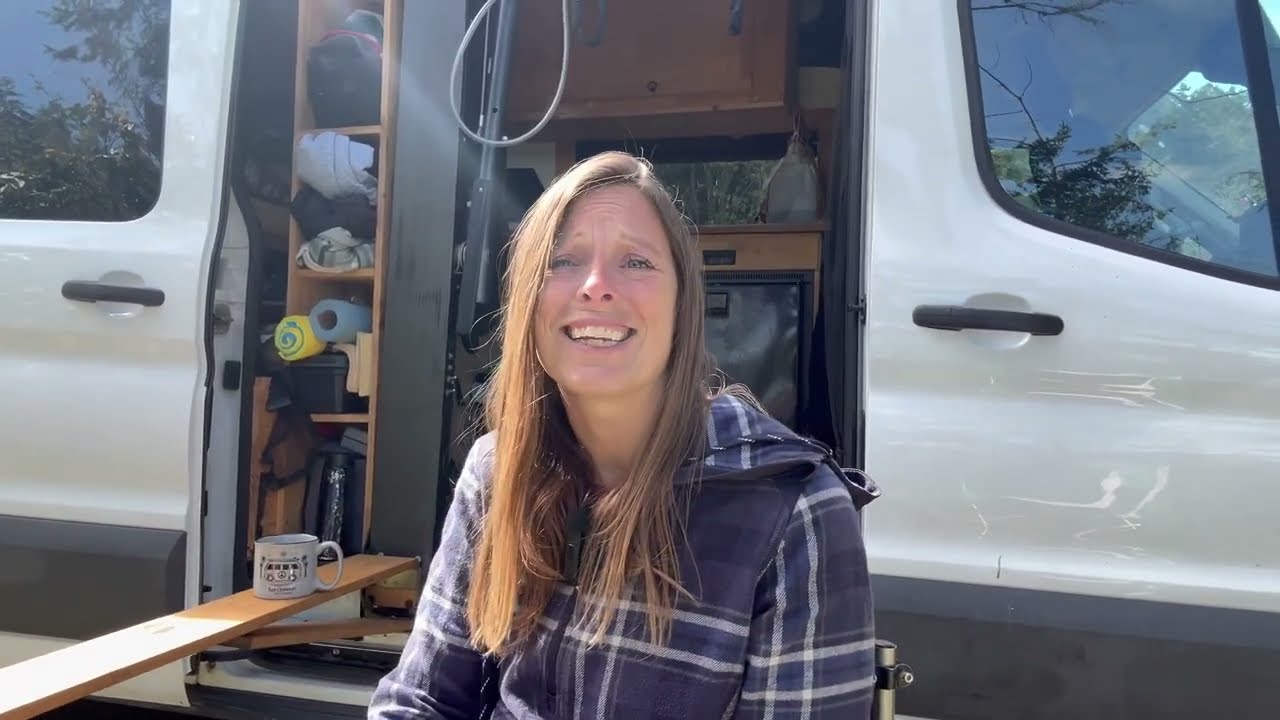
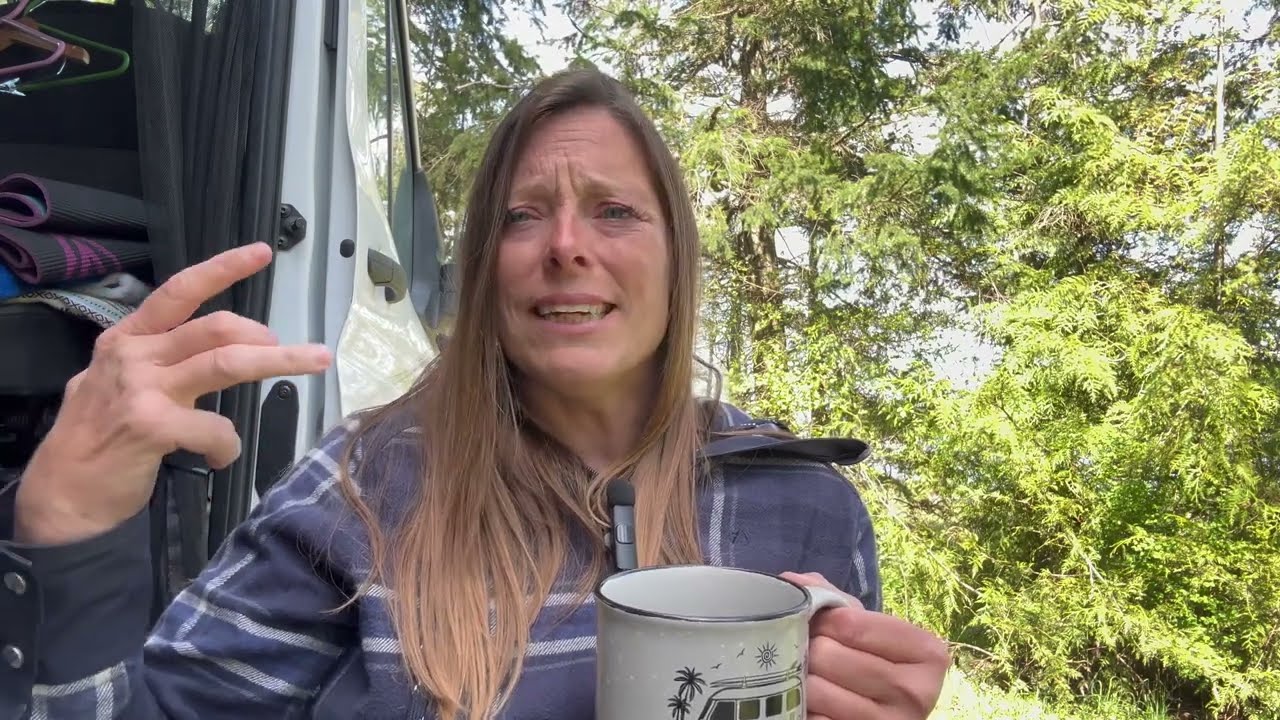
Thirty years post-rupture, my life looks nothing like what my doctors predicted, and perhaps, nothing like what I had originally envisioned. I have built a career as an author, an advocate, and a mentor for others navigating the treacherous waters of sudden disability. I have traveled to places that once seemed unreachable, built meaningful relationships that transcend physical ability, and found a deep, quiet sense of joy that I suspect I might have missed had my life taken a more conventional path.
Building this life required a complete dismantling of my ego. I had to let go of the version of myself that existed before the rupture—the version that defined its worth by its physical capability—and embrace a new identity. This was perhaps the most difficult surgery I ever endured. I learned that my value was not located in my muscles or my autonomy, but in my perspective, my empathy, and my ability to connect with others who were also searching for a way forward in the dark.
Chapter 4: Future Statements and the Long-Term Outlook
As I look toward the next thirty years, my focus has shifted from “recovery” to “evolution.” Science is making incredible strides in neuroplasticity, brain-computer interfaces, and spinal cord stimulation. While I have long since accepted my physical reality, I remain keenly interested in how technology can further bridge the gap between intent and action. I am a participant in several pilot programs exploring new assistive devices that allow for greater independence, and I believe the future of disability care is one of empowerment through innovation.
I don’t dwell on what I lost. To do so would be to surrender the present. Instead, I choose to focus on the expansion of my reach. My goal is to normalize the experience of living with profound disability, to make the invisible visible, and to challenge society’s narrow definition of what a “successful” life looks like.
Chapter 5: Reflections on the Journey
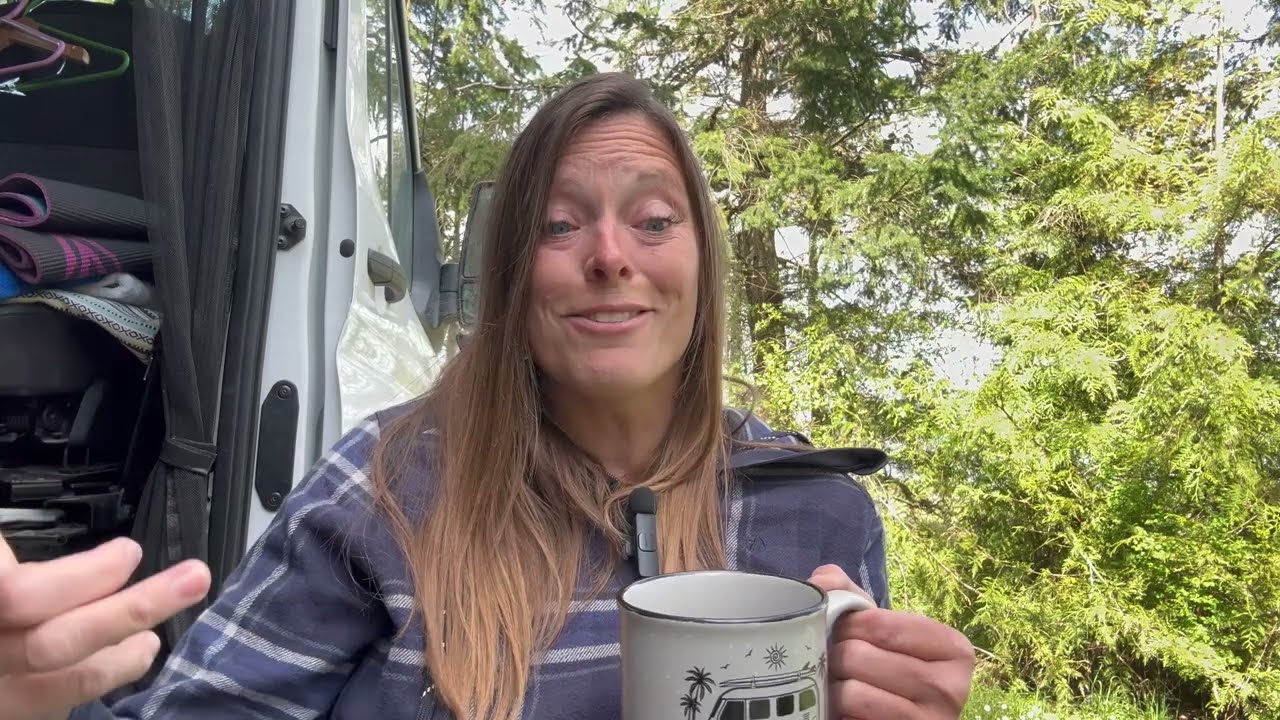
The story of my AVM is not just a medical record; it is a tapestry of moments that have defined my resilience. Looking back, I can see the thread of the person I was—the terrified twenty-two-year-old—and see how that fear was the fuel that burned through the inertia of the years. I am often asked if I would go back and change that morning if I could. The question is a trap. To change the accident would be to erase the person I have become, the lessons I have learned, and the lives I have touched.
I have discovered that we are all, in some way, living with a form of paralysis. Maybe it’s not physical. Maybe it’s the paralysis of fear, of regret, or of the expectation of others. We all have our own versions of a “rupture” that stops us in our tracks. The question is not whether the rupture happens—it is what we do when we wake up the next day, and the day after that. We build. We adapt. We thrive.
Thirty years ago, I was told I was a tragedy. Today, I am a testament to the fact that the human will is not a finite resource. It is a renewable, infinite, and powerful force that can survive the most catastrophic of circumstances. My life is not “despite” my paralysis; in many ways, it is because of it. It has given me a clarity of purpose that I might never have found otherwise. And as I move forward, I do so with the knowledge that there is no limit to what can be built, provided you have the courage to start with the foundation you are given, no matter how broken it may seem.