Sports League Faces Crisis as Athlete Protest Sparks National Debate
Athlete Boycott Rocks League, Igniting Fierce Debate Across Sports World
The Sports Mutiny: How a Generation of Athletes Said “No More”

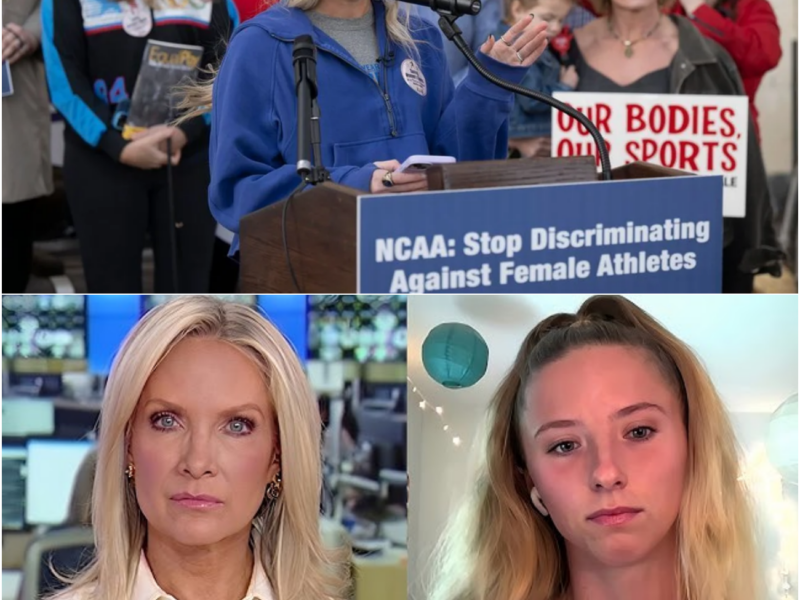
The arena lights at the Mountain West tournament were blinding, but they failed to illuminate the deep, structural cracks now fracturing the bedrock of American collegiate sports. In a season defined by unprecedented defiance, a collective silence has descended over the volleyball courts—a “mutiny of the sidelines” that has effectively brought entire conferences to a standstill. It began with whispers in locker rooms and escalated into a formal, nationwide uprising as female athletes, feeling their voices were being systematically erased, chose to forfeit rather than compete against opponents they believe hold an unfair physical advantage. This is not just a disagreement over rules; it is an epochal battle for the future of the female category in sport, a clash between the mandate of inclusivity and the demand for biological fairness that has left governing bodies scrambling in the dark.
For months, the San Jose State volleyball team played under a cloud of controversy that grew from a localized dispute into a national referendum on Title IX. When multiple teams—from Utah State to Boise State—announced they would refuse to take the floor, it was not merely an act of protest; it was a refusal to participate in what these athletes termed an “unequal playing field.” The message was clear: for these women, the promise of fairness, the cornerstone of the 1972 federal legislation, had been hollowed out. By choosing to forfeit, they sacrificed tournament standings and athletic legacies, choosing instead to make a public statement that the current regulatory framework had failed them.
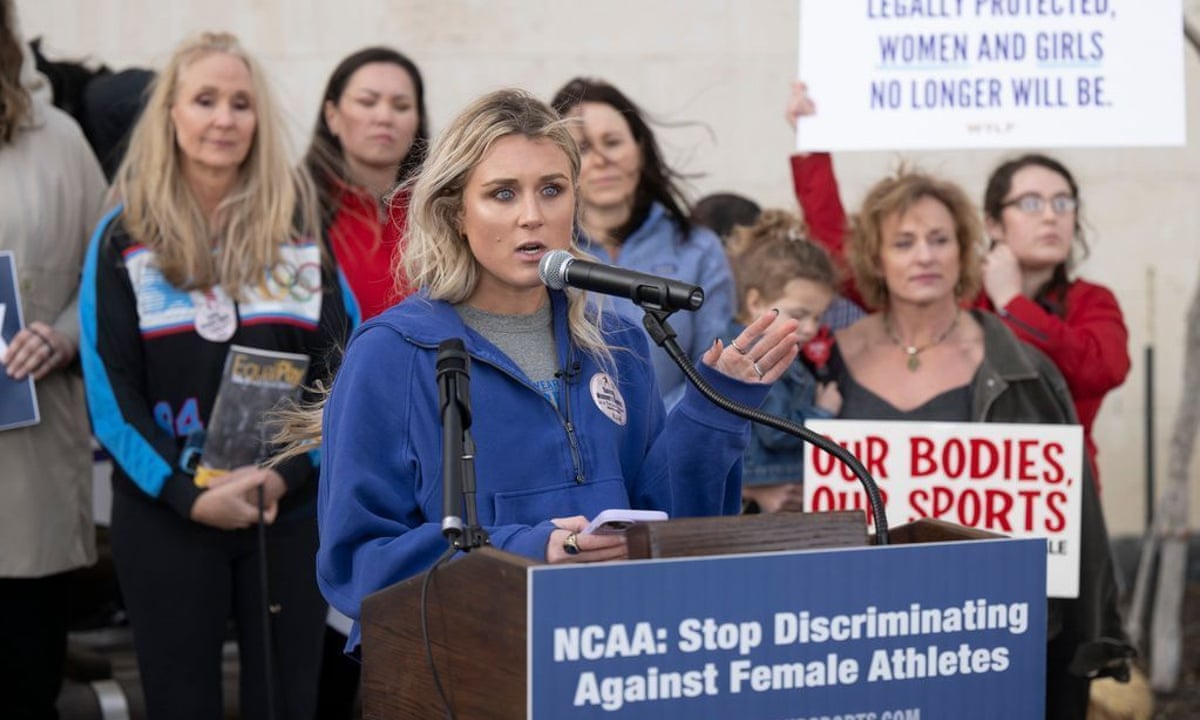
The shockwaves from these collegiate walkouts have traveled far beyond the gymnasiums of California. They have provided the momentum for a monumental shift at the highest echelons of international competition. On March 26, 2026, the International Olympic Committee (IOC) announced a seismic policy change: a total ban on transgender women competing in female Olympic categories, to be enforced through mandatory, one-time SRY gene screening. This decision, aligning closely with recent executive actions in the United States, marks the end of a long-standing policy of inclusion, replacing it with a hard-line biological definition of “female.” For many, this is a victory for the integrity of women’s sports; for others, it represents a regressive rollback of rights that casts a dark shadow over the future of athletic access.
The Mathematics of a Movement
The “boycott phenomenon” is a classic example of non-cooperative game theory. When individual athletes and schools realized that formal appeals to governing bodies were yielding no change, they switched tactics. By choosing to forfeit, they shifted the cost of the controversy onto the league organizers. Every game canceled was a loss of revenue, media visibility, and administrative authority for the conferences. This effectively turned the “fairness” debate into a fiscal crisis.

Future projections suggest this is only the beginning. As school boards and state legislatures move to codify biological-sex requirements for athletic participation, we are looking at a fragmented, balkanized sporting landscape. Calculations from sport management experts indicate that if this trend continues, the U.S. could face a “dual-track” system: a federal-funded tier with strict biological requirements and a separate, private-sector tier that adopts more inclusive standards. This separation would not only divide the sport but could permanently isolate collegiate athletic programs from the global Olympic stage.
The Price of Clarity
We are now entering a period of aggressive “sex policing” in global athletics. The mandatory SRY gene screening now required for the LA 2028 Summer Olympics will subject every female athlete to a new, singular standard of biological verification. While the IOC maintains this is a neutral, science-based approach designed to protect the integrity of the female category, human rights groups argue it will inevitably lead to the exclusion of athletes with differences in sex development (DSDs), such as Caster Semenya.
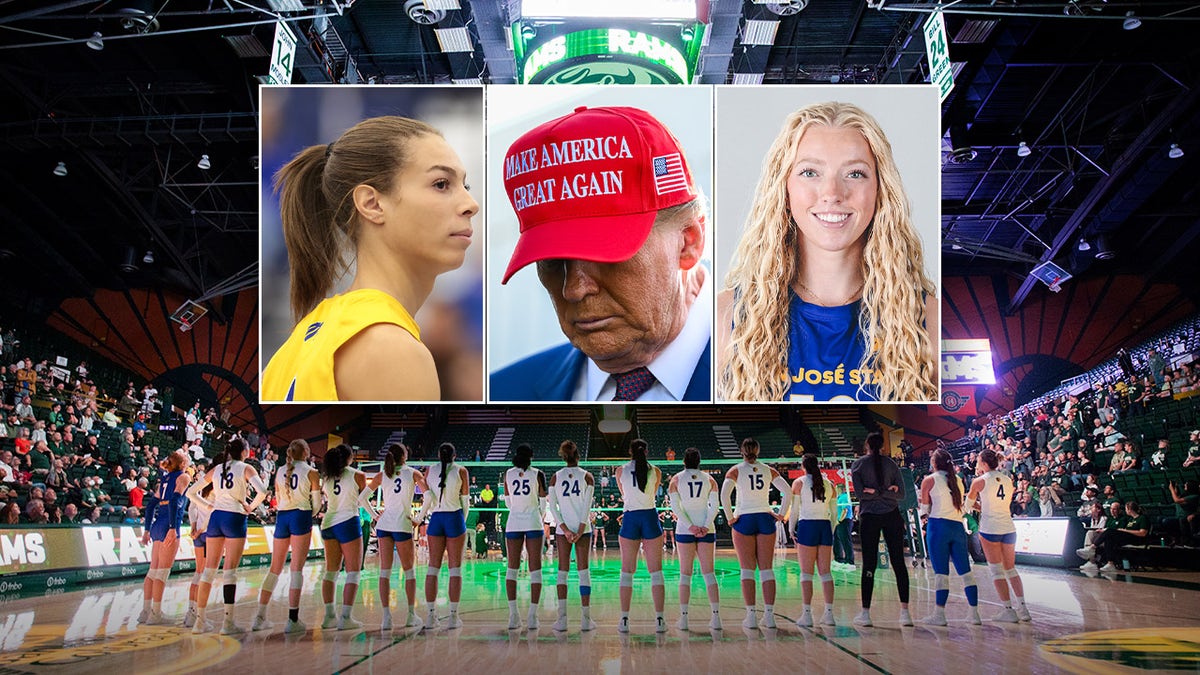
The “League Collapse” is not just about one team or one season; it is the visual evidence of a culture in total transition. As we move closer to 2028, the question will no longer be about “if” a rule exists, but “how” that rule is enforced. We are witnessing the end of an era where sports could rely on self-identification. We are now in the age of the genetic baseline. Whether this new era brings the “fairness” so many have demanded, or a new, darker era of biological exclusion, remains the most contested chapter in the history of the modern game.