Sunny Hostin’s Response to Her Son’s Arrest Fuels a Heated Conversation Online
The View’s Sunny Hostin Faces Intense Scrutiny After Her Son’s Arrest Sparks a Heated Debate Over Privilege
The Ivory Tower Intercession: How Sunny Hostin’s Privileged Phone Call Ignited a National Firestorm
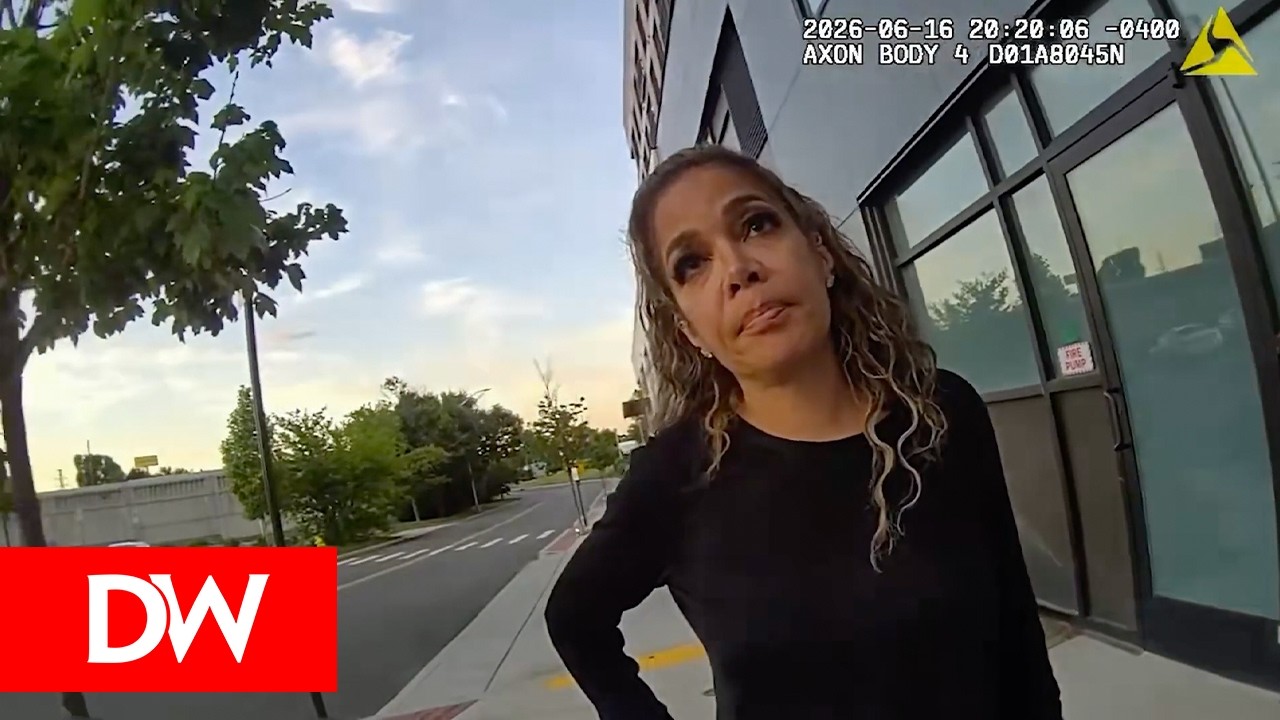
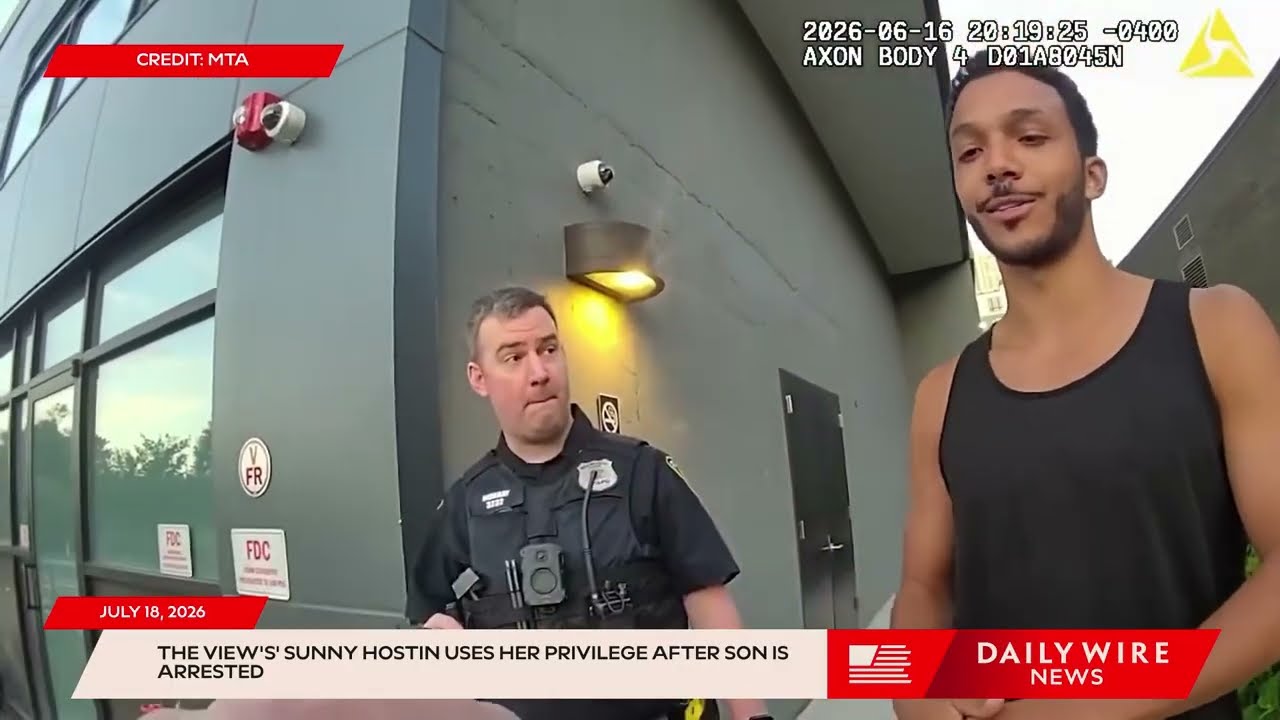
The ambient roar of commuter trains rushing along the active arteries of the Metro-North Railroad in Westchester County usually drowns out the quiet murmurs of suburban routine. But on a Tuesday afternoon, that predictable rhythm was shattered by the flashing lights of transit police cruisers and the sudden, jarring reality of an enforcement stop. Jogging along a restricted railway right-of-way—a dangerous stretch of industrial infrastructure legally designated as off-limits to the public—was twenty-four-year-old Gabriel Hostin. For the responding officers, it was a textbook, albeit routine, encounter with an unauthorized individual trespassing on active rail property. For the young runner, it was an unexpected brush with law enforcement that would quickly evaporate into the upper echelons of media power, celebrity influence, and fierce national controversy.
Within minutes of the stop, the mundane municipal citation transformed into a high-stakes masterclass in elite intercession. Gabriel, a recent Harvard University graduate with athletic credentials as a former junior Olympian, found himself detained while officers weighed whether to issue a formal trespass citation. Unbeknownst to the officers at that exact second, a high-powered phone call was already being dialed. On the other end of the line was Gabriel’s mother: Sunny Hostin, the high-profile co-host of ABC’s daytime powerhouse The View and a self-described former federal prosecutor. In the audio captured by police bodycam footage, Hostin did not merely check on the welfare of her son; she immediately established her pedigree, introducing herself to law enforcement with a carefully curated list of credentials designed to shift the power dynamic of the stop.
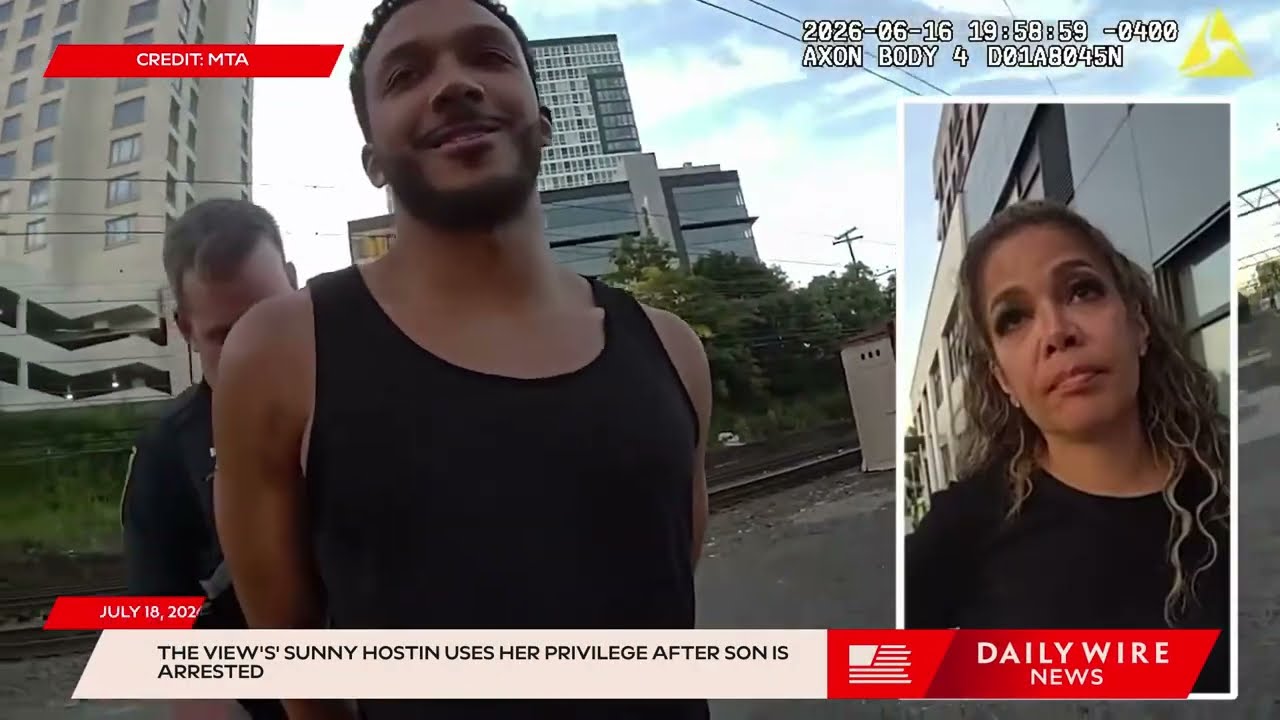
“My name is Sunny Hostin and I’m one of the co-hosts of The View and I’m a former federal prosecutor,” Hostin can be heard stating to the officers, according to investigative reports and released video transcripts. To reinforce her son’s character, she added, “That’s my son. He’s a Harvard graduate, he doesn’t have a criminal record.” In the breathless lexicon of celebrity defense, invoking a prestigious university degree and national television credentials functions as a linguistic shield—a subtle yet unmistakable reminder to working-class beat cops that they are dealing with individuals who occupy a different social tier.
The immediate public reaction was swift, polarized, and unforgiving. Across social media platforms, political talk shows, and news columns, critics seized upon the bodycam footage as a glaring illustration of the very institutional privilege that Hostin and her co-hosts routinely rail against during their weekday broadcast debates. For years, The View has served as a cultural pulpit where systemic inequality, white-collar bias, and the disproportionate advantages of the wealthy are dissected with moral clarity. Yet, when faced with the minor inconvenience of a municipal trespass citation for her own son, Hostin’s instinct was to reach for the ultimate get-out-of-jail-free card: her own fame and professional standing.
Political commentators and cultural analysts were quick to highlight the sharp dissonance. Syndicated media personalities pointed out that ordinary Americans caught trespassing on railway tracks would rarely, if ever, have a nationally syndicated television host phoning the precinct to recite their academic transcripts. The invocation of a Harvard degree as a character reference struck many observers as the height of elitism—an implicit argument that intellectual achievement or social standing should insulate an individual from the ordinary enforcement of municipal law. The phrase “nobody is above the law”—a mantra frequently echoed on daytime talk shows—suddenly seemed to carry an asterisk when applied to the children of the cultural elite.
As the legal process limped forward, Hostin’s defense of her son did not stop at the curbside phone call. Transitioning from concerned mother to legal advocate, she reportedly penned a formal letter on Gabriel’s behalf to Westchester Assistant District Attorney Amanda Greene, petitioning the court to dismiss the case entirely. In the correspondence, Hostin argued that the incident was an honest mistake rather than a deliberate criminal act. She maintained that the warning signs along the tracks were not clearly visible from her son’s point of view, that a maintenance gate on the property had been left open, and that his background as an avid runner and former junior Olympian explained his presence in the area during training routines. She emphasized his clean criminal record and prestigious educational background, pressing the prosecution to recognize the citation as a minor administrative oversight rather than a stainable offense.
Legal experts observing the case noted that a simple trespassing citation—frequently handled as a low-level violation resulting in a modest fine rather than a permanent criminal conviction—rarely warrants the level of high-powered legal gymnastics deployed by the Hostin family. For most citizens, appearing before a local judge to pay a fine or accept a conditional dismissal is a routine, if annoying, administrative hurdle. However, for a high-profile public figure whose brand is meticulously built on moral authority and political posturing, even the appearance of a legal infraction carries an unacceptable reputational cost. By throwing the full weight of her professional prestige and legal background behind a motion for dismissal, Hostin transformed a localized municipal infraction into a national referendum on privilege.
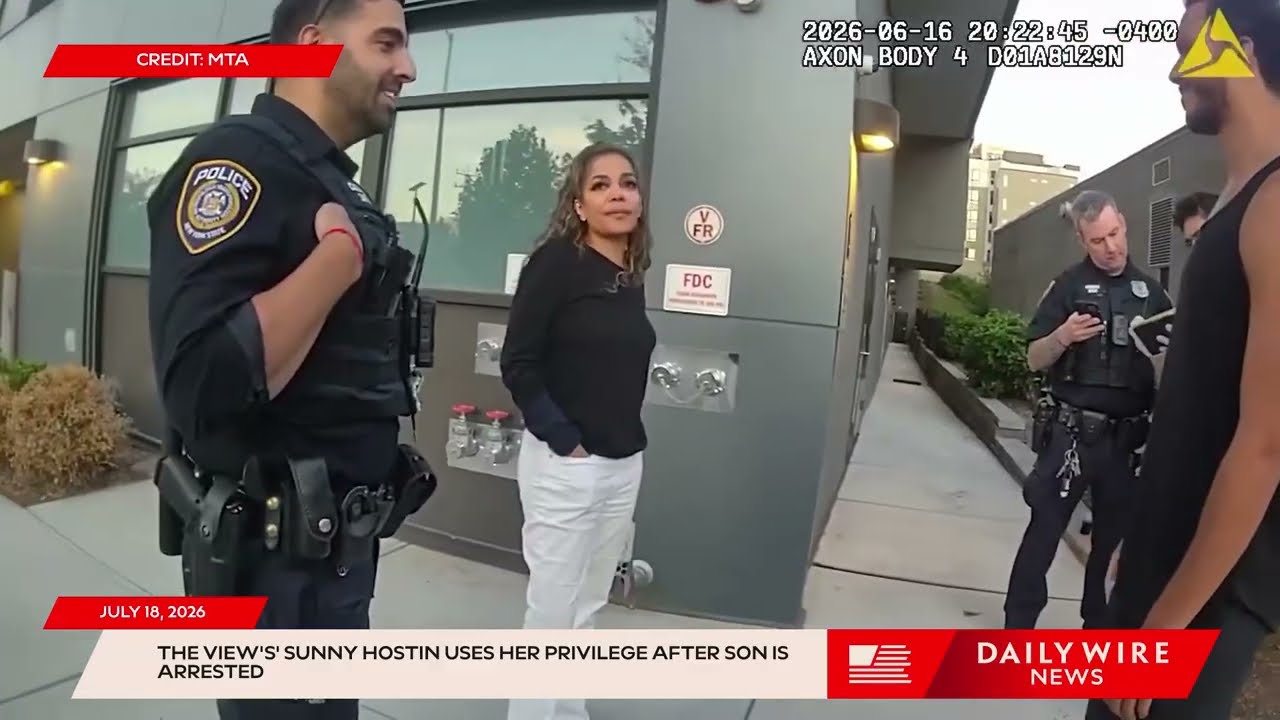
The incident also reopened broader discussions regarding how law enforcement treats individuals from different socioeconomic backgrounds. While supporters argued that any protective mother would naturally utilize whatever communication channels available to advocate for her child, detractors countered that the ease with which a celebrity voice can penetrate a police investigation highlights a persistent systemic disparity. An ordinary teenager or young adult caught on active railway tracks without a famous mother in broadcasting would likely have faced the full, unyielding weight of the procedure without the luxury of an on-scene phone call from a national television star.
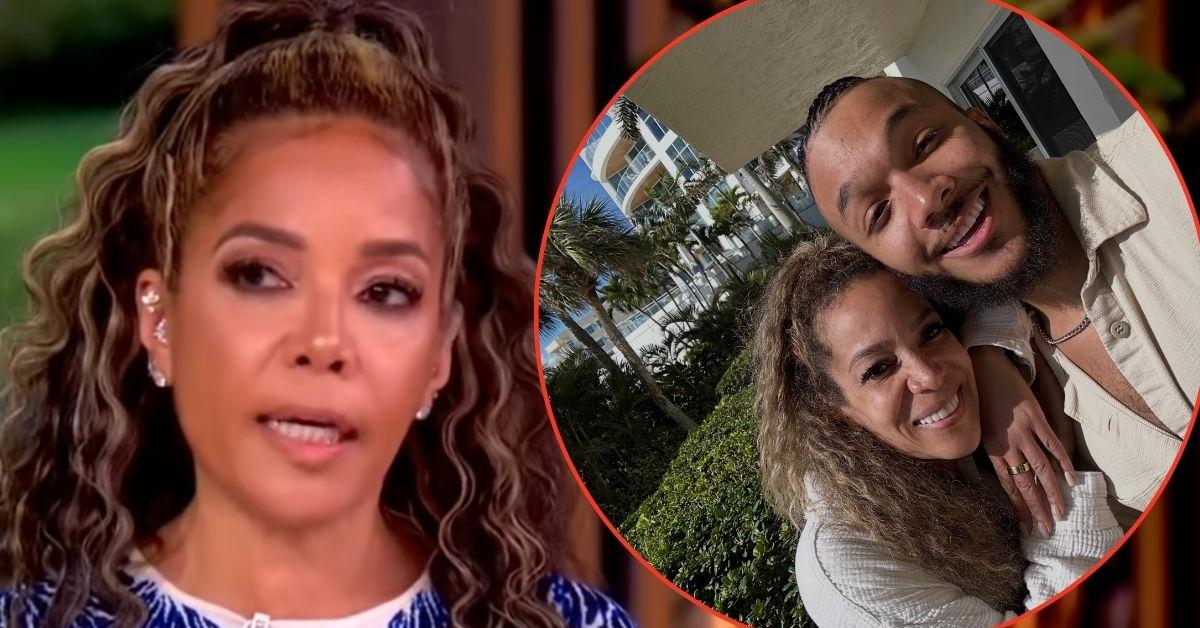
Ultimately, the Westchester trespassing stop involving Gabriel Hostin and the subsequent intervention by his mother serves as a powerful modern parable about the collision between public rhetoric and private reality. It exposes the inescapable human impulse to protect one’s family at all costs, even when doing so blatantly contradicts the high-minded egalitarian principles preached from television soundstages. As the legal proceedings move toward their eventual resolution, the lasting legacy of the case will not be the minor infraction on the Metro-North tracks, but the revealing audio recording of a famous commentator realizing that when the spotlight turns toward her own home, the privileges of the elite are too tempting to leave on the table.