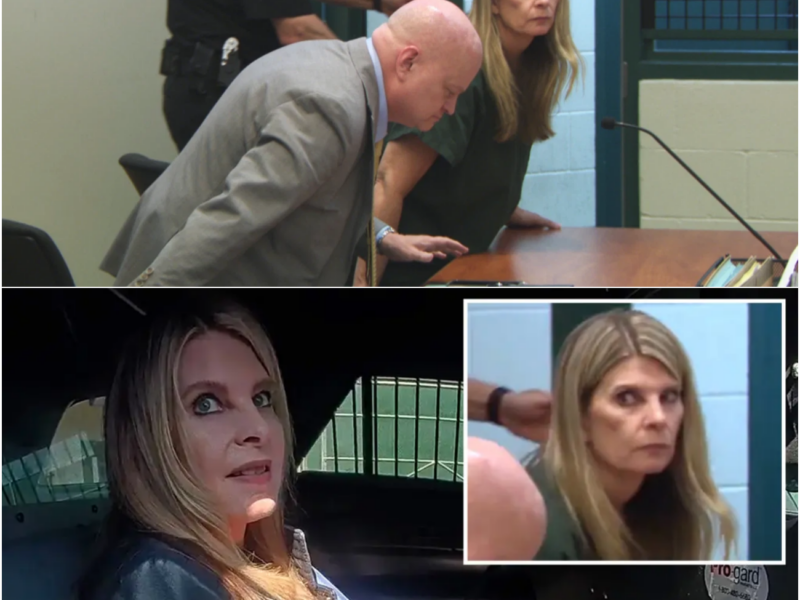
Superintendent Arrested as Explosive Alleged Assault Cover-Up Scandal Sends Shockwaves Through the Community
Superintendent Arrested as Explosive Alleged Assault Cover-Up Scandal Sends Shockwaves Through the Community
The Betrayal of Trust: Superintendent Arrested in Shocking Cover-Up Scandal
In the heart of what should have been a sanctuary of learning, a nightmare was unfolding—and the very person tasked with protecting the children stood at the center of a calculated, cold-blooded scheme to bury it. For months, the halls of Mark Morris High School in Longview, Washington, echoed with the sounds of predatory violence, but as the darkness deepened, the response from the top wasn’t to protect, but to silence.
The arrest of Longview Public Schools Superintendent Karen Cloninger has sent shockwaves through the nation, shattering the illusion of safety that every parent holds onto when they send their children to school. This wasn’t just a failure of policy; authorities allege it was a deliberate, systematic cover-up of horrific sexual assault allegations involving student athletes. According to court documents, while vulnerable 14-year-olds were being dragged into team rooms and violated, those in positions of power were reportedly debating how to hide the truth from the police, parents, and the public.
The details emerging from the investigation are nothing short of chilling. Evidence suggests that district leadership was aware of the allegations as early as late January 2026. Instead of triggering mandatory reporting protocols—a legal and moral obligation—Superintendent Cloninger allegedly instructed staff to keep the matter “internal.” There are allegations that she specifically commanded subordinates not to put anything in writing, effectively attempting to sanitize a crime scene of its paper trail. Even when law enforcement reached out directly, they were reportedly told that the district had handled it, effectively shutting the door on a criminal investigation while the abuse allegedly continued.
The Anatomy of an Alleged Cover-Up
The scope of this scandal extends far beyond the superintendent’s office. The criminal case centers on allegations that members of the varsity boys’ basketball team engaged in a pattern of sexual assault against younger junior varsity teammates. Victims described harrowing experiences of being dragged into dark, secluded rooms, pinned to the ground, and disrobed.
The investigation has revealed a disturbing atmosphere where staff concerns about mandatory reporting were brushed aside. In one instance, a staff member was reportedly instructed to place a call on speakerphone so others could hear the superintendent command them to assure parents that the matter had been “internally disciplined.” It is a textbook example of institutional gaslighting, where the priority shifted from student welfare to damage control and reputation management.

Detectives later discovered that messages regarding the investigation had been deleted from personal devices, suggesting a desperate attempt to scrub the record of any awareness or involvement. This level of obstruction has left the community in Longview reeling, with parents packing school board meetings to demand accountability and asking the fundamental question: How could this happen under our noses?
The Fallout and the Future of Accountability
As the legal proceedings gear up for a July trial for the student suspects, the focus has turned to the systemic rot that allowed such behavior to fester. The district is now under the microscope of an external investigator, and additional charges are expected against other district administrators, including the executive director of student services.
But the real, long-term impact may be a fundamental shift in how we view the “safety” of public education. If the head of a school district can allegedly prioritize a school’s image over the physical safety of its students, what does that mean for the thousands of other districts operating in the shadows?

Future scenarios for Longview and beyond are grim. We are likely to see a wave of legislative crackdowns on “internal investigations,” with states moving to strip superintendents of their autonomy when reports of abuse emerge. The trust between parents and public schools, once eroded, takes years—if not decades—to rebuild. For the survivors of the Mark Morris High School incidents, the pain is permanent, but for the rest of us, the lesson is clear: when an institution asks for “internal handling” of a crime, it is time for the public to demand transparency, immediately and loudly.