Surrogate Fights for Justice After Intended Parent Allegedly Leaves Twins Unclaimed for 20 Months
St. Augustine Surrogate Fights for the Rights of Children Allegedly Left Unclaimed by Their Intended Parent for 20 Months
The St. Augustine Nightmare: A Surrogate Mother’s 20-Month Fight for the Children Abandoned by an International Father
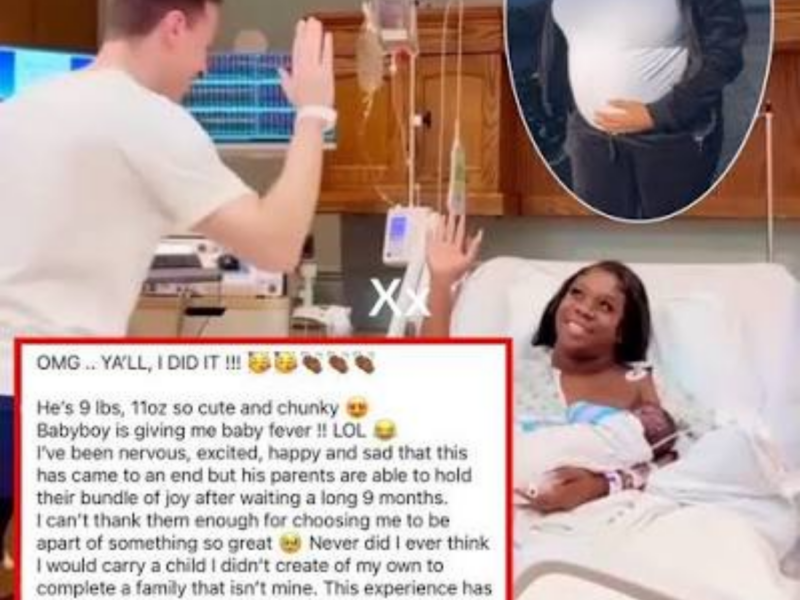
In the quiet, historic corridors of St. Augustine, Florida, a legal and moral maelstrom is unfolding—one that strikes at the very heart of the American family unit and the murky, international waters of modern reproductive technology. For Kyla Simpson, a woman who stepped into the role of a gestational surrogate with the noble intention of blessing a family in need, the experience has devolved into a living nightmare. Nearly two years after giving birth to triplets in November 2024, two of the children remain trapped in a legal vacuum, unclaimed by their biological father, a man residing in China who has seemingly vanished from the children’s daily lives while holding the ultimate legal trump card.
The details of the case are as heart-wrenching as they are infuriating. Simpson, working through a California-based agency, entered a binding gestational surrogacy contract with an international intended parent. The agreement was clear, documented, and signed. Yet, when the triplets were born—prematurely—the expected joyous hand-off never materialized. Instead, the children spent two months in the neonatal intensive care unit (NICU) with only Simpson by their sides. While the intended father promised a visa was forthcoming, the days turned into weeks, the weeks into months, and the months into a staggering twenty-month ordeal.
As the children grew, Simpson transitioned from surrogate to primary caregiver. She breastfed them, navigated their doctor’s appointments, and integrated them into the fabric of her own family. She was not merely a vessel; she became a mother. The profound trauma of this situation was compounded by the tragic passing of one of the triplets, Christopher, in August 2025 due to RSV complications—a loss that shattered the makeshift family unit. Now, with the survivors, Samuel and Daniel, approaching their second birthday, the biological father has resurfaced—not to bond with his children, but through legal channels, demanding they be removed from the only home they have ever known.

The Collision of Law and Reality
The legal complexity of this case has sent shockwaves through the legal community. Under Florida law, there is a clear statutory path for parental affirmation post-birth. However, when international borders and foreign jurisdictions are introduced, the stability of the American legal system begins to fray. The intended parent’s recent move to file an emergency motion for the children’s removal, coupled with the court’s decision to place them in temporary protective custody, has left Simpson devastated.
The stakes could not be higher. China is not a signatory to the Hague Convention on the Civil Aspects of International Child Abduction. Legal experts warn that if these boys are removed from the U.S. and taken to a country that does not recognize American custodial orders, they may become permanently unreachable. For Simpson, this is not a custody dispute; it is a fight for the survival and identity of two children she birthed and raised.
Future Scenarios: The Precedent of the Unclaimed
This case serves as a harrowing case study for the future of reproductive law. As international surrogacy continues to grow in popularity, legal gaps in international treaty enforcement are becoming liabilities. We are facing a future scenario where thousands of children could potentially be left in a legal “no-man’s-land,” caught between the laws of their country of birth and the rights of international biological parents who may lack the intent or the capacity to finalize their responsibilities.
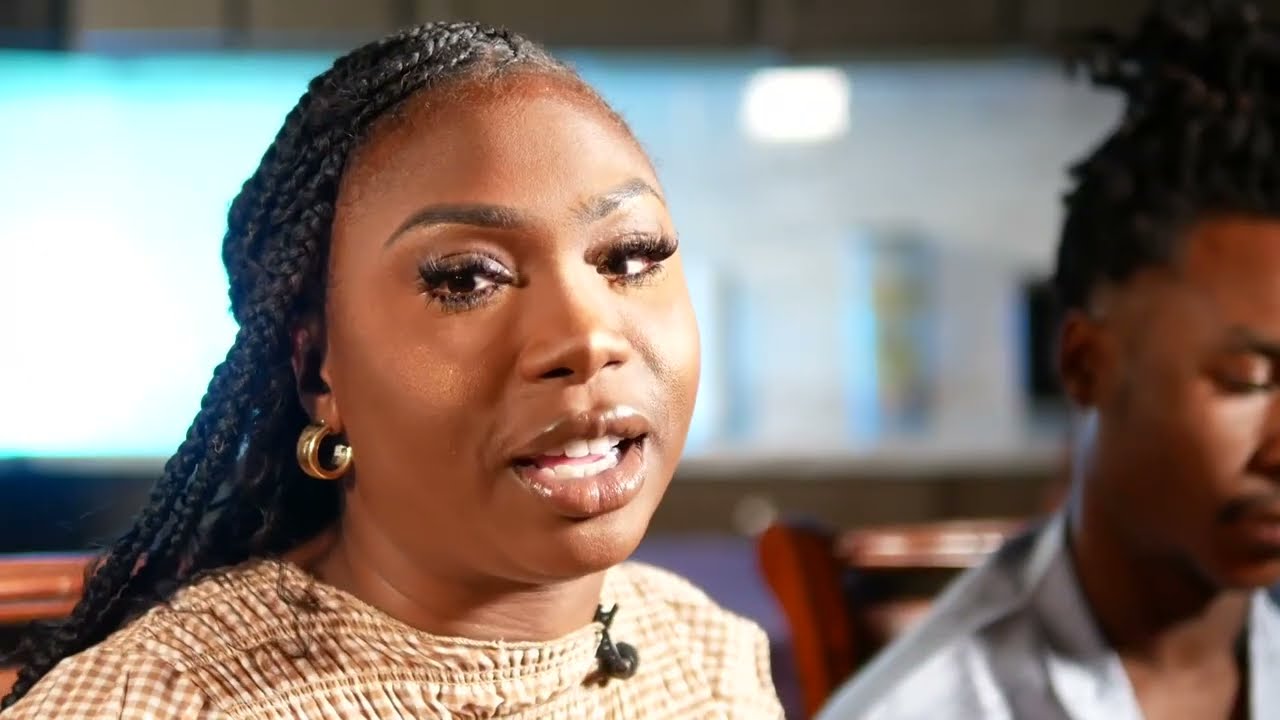
If the court fails to act with urgency, the precedent set here could be catastrophic. It would signal to international participants that they can utilize American surrogates and, should they decide to walk away or delay, they retain a “right of abandonment” that effectively treats children as property to be picked up at their leisure. The psychological impact on children shifted from a surrogate mother—who provided every ounce of emotional and physical care—to a biological father who has been a ghost for nearly two years is immeasurable.

The Search for Justice
As the hearing date of July 29th approaches in St. Johns County, the public remains captivated by the question of what constitutes a parent. Is it the biology, or is it the thousands of hours of care, nourishment, and love provided in the infancy of a life? Simpson’s legal team continues to fight against the clock, filing emergency appeals to keep the boys within the jurisdiction of the United States.
However, the silence from the intended father’s camp remains deafening. Despite multiple requests for comment, the reasons for his twenty-month absence and his sudden, aggressive legal posturing remain a mystery. As this case moves forward, it forces every American to look deeper into the commodification of life and the desperate need for stricter regulations on international surrogacy contracts. Kyla Simpson’s fight is more than a local news story; it is a warning for every family, legislator, and hopeful parent in America. The question remains: when the law fails to protect the most vulnerable, who will?