Teen Convicted in Killing Case Makes Emotional Request to Hug Family Before Being Taken Into Custody
Before Being Taken Into Custody, a Teen Convicted in a Killing Case Asked the Judge for One Final Hug With His Family
The Finality of Consequences: The Sentencing of Thomas Stein

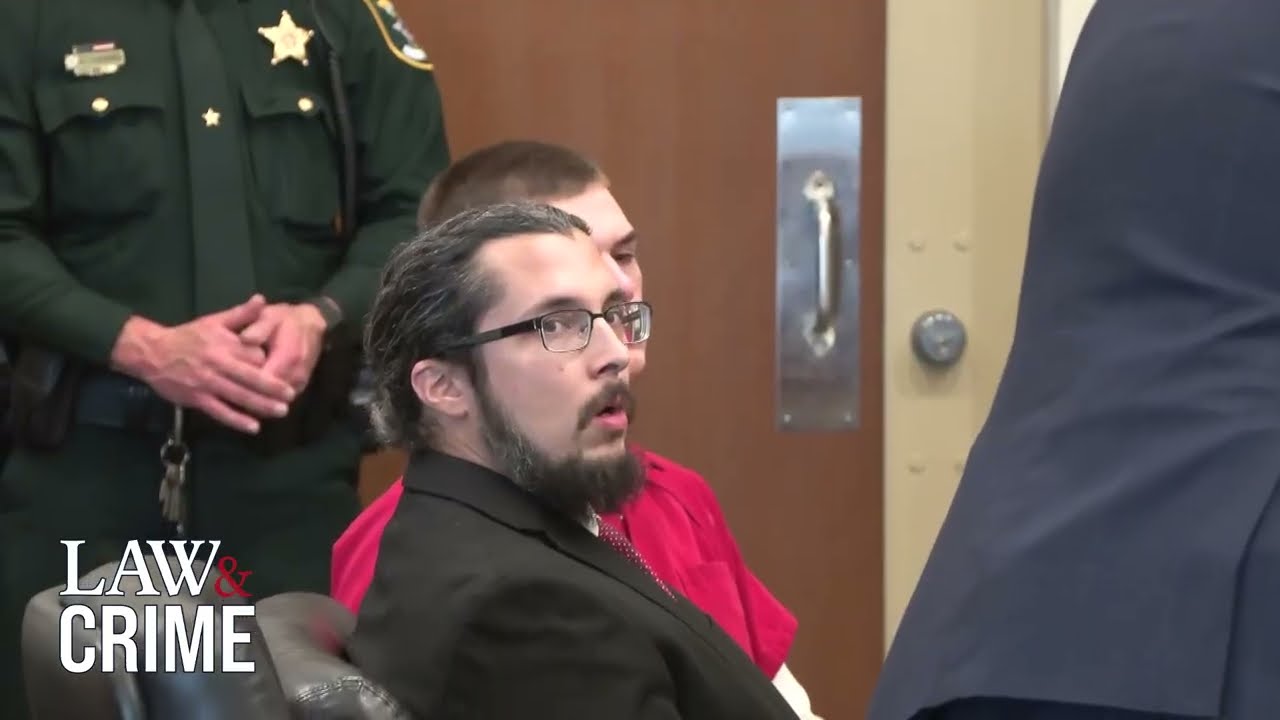
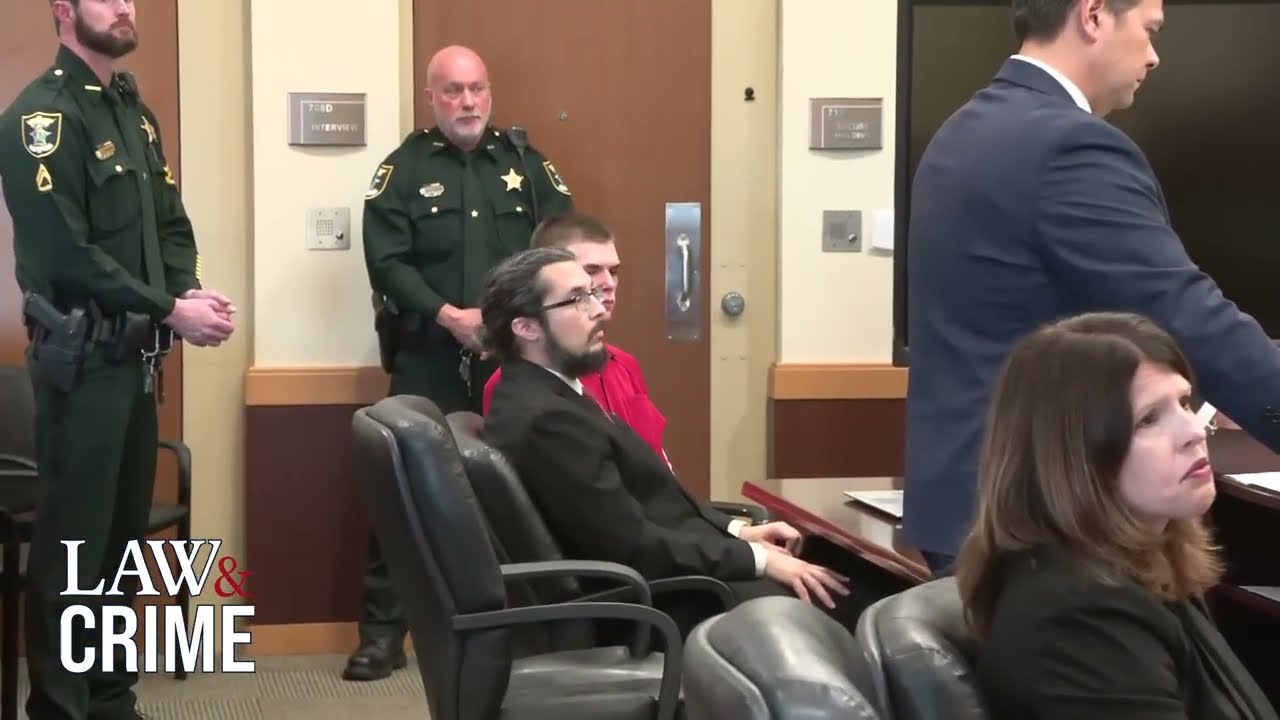
The courtroom at the Lee County courthouse was heavy with the weight of unresolved grief and the cold finality of the law. Thomas Stein, nineteen, stood before the judge, a figure caught between the residual remnants of childhood and the stark, uncompromising reality of his adult fate. On March 17, 2024, the course of his life—and the lives of those he encountered—was irrevocably altered. A robbery had gone wrong, resulting in the felony murder of Kayla Ringo Miller. As Stein offered his apology, his voice trembled, attempting to bridge the gap between his actions and the devastating void he had created. Yet, when he turned to the bench and asked for a singular, humanizing concession—a final hug for his family—the judge’s refusal was swift. “I can’t grant that request,” the judge stated. “You can say goodbye, but you can’t have any physical contact.” In that moment, the physical boundary between the defendant and the world outside the courtroom wall became absolute.
This was not the act of a misunderstood youth driven by peer pressure, as the defense had attempted to frame it. Throughout the sentencing hearing, the prosecution dismantled the narrative of a boy misled by “the wrong crowd.” Instead, they presented evidence of a strategic, active participant who had been building a history of criminality long before the night of the murder. From burglaries of vehicles to the explicit creation of rap videos glorifying criminal behavior, Stein’s trajectory was marked by intentional, escalating choices.
The Myth of the Misguided Teen
The prosecution’s argument leaned heavily on the reality that Stein was not a follower; he was a leader. Documents presented to the court—including records of prior juvenile adjudications for burglary—revealed a pattern of behavior that contradicted the family’s assertions of innocence and manipulation by others. Testimony showed that on the night of the murder, it was Stein who drove, Stein who armed his associates, and Stein who selected the targets.
The state’s case took a particularly stinging turn when it addressed the defendant’s home life. Where the defense sought to portray him as a youth who had succumbed to environment, the prosecution presented him as someone who had been raised with every support. With a family that remained present and active in his life, Stein lacked the traditional indicators of a “broken” upbringing that often prompt judicial leniency. The prosecution argued that the crime was not born of necessity or lack of guidance, but of a conscious, cold-blooded decision to prioritize illicit gain over the sanctity of human life.
The Human Cost
The impact of the tragedy on the families involved cannot be understated. The courtroom heard heart-wrenching statements from those directly affected, detailing the permanent, lingering trauma that extends far beyond the date of the crime. The loss of Kayla Ringo Miller was described not just as a singular death, but as a ripping away of a pillar of their community, leaving scars that will never fully heal. The state urged the court to look past the defendant’s age and focus on the totality of the damage—a request that aligned with the jury’s decision to convict him of felony murder.
As the hearing concluded, the debate centered on the possibilities of rehabilitation. The sentencing structure, which allows for periodic reviews for juvenile offenders, ensures that the state’s duty to punish is balanced with the hope for reform. The prosecution maintained that a life sentence was the only appropriate response to the severity of the offense, leaving the door for future reflection open, should Stein truly demonstrate the transformative change he claimed to be pursuing during his incarceration.
A Future Defined by Accountability
:max_bytes(150000):strip_icc():focal(749x0:751x2)/kayla-rincon-miller-thomas-stein-071126-5b55712ff5a741f0a147304c95f843e3.jpg)
The case of Thomas Stein serves as a stark, cautionary tale about the intersection of youth and high-stakes crime. As he is moved from the courtroom to the realities of the prison system, the narrative of the “misguided teen” has been thoroughly challenged, if not entirely extinguished. The courtroom was a place where accountability was paramount, where the pleas for mercy were met with the unyielding reality of the law.
In the future, the legal system will likely continue to grapple with cases involving juvenile offenders who commit capital crimes. The Stein case provides a clear roadmap for how such trials may be handled: a move away from purely focusing on the defendant’s age, and toward a rigorous examination of the offender’s specific role, intent, and historical patterns. For the families, the sentence brings a form of closure, though the wounds remain open. For the public, the case remains a reminder that the consequences of one night can ripple through a lifetime, and that for the individual, the path to redemption starts only after the weight of true accountability is accepted and fully borne.