
They Disappeared for Years Without a Trace—Then These Missing Children Were Found Alive Against All Odds
They Vanished Without a Trace—Years Later, These Missing Children Were Finally Found Alive
The Long Road Home: The Miraculous Resurfacing of the Lost
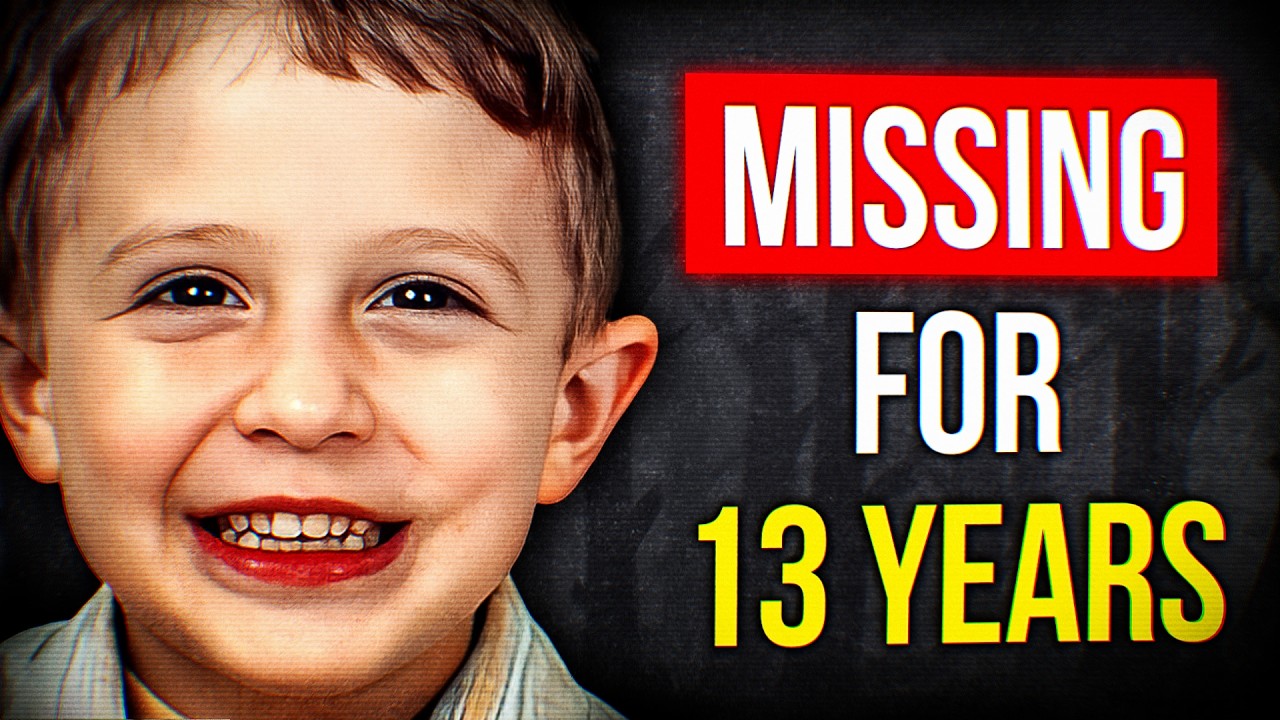
The world is a vast, often unforgiving place, and for parents, the most agonizing nightmare imaginable is the sudden, unexplained disappearance of a child. It is a silence that screams louder than any noise—the empty seat at the dinner table, the unmade bed, the toys gathering dust. Yet, history is punctuated by rare, defying moments of light amidst this darkness: the stories of children who, against all odds, reappear years or even decades after they were thought lost forever. These are not merely stories of survival; they are profound explorations of human resilience, the elasticity of truth, and the strange, unpredictable ways that justice is served.
Take, for instance, the case of Natasha Ryan, an Australian teenager whose 1998 disappearance plunged her family and community into a five-year-long abyss of grief. The legal proceedings were harrowing; a man confessed to her murder, a memorial was held, and the public mourned. Yet, the truth was far more complex than any investigator could have imagined. Natasha was not dead; she was living in a closet, just blocks from her home, hidden by a secret boyfriend. Her eventual discovery was a shock that rippled across the globe, forcing society to confront the uncomfortable reality that some “victims” are architects of their own isolation.
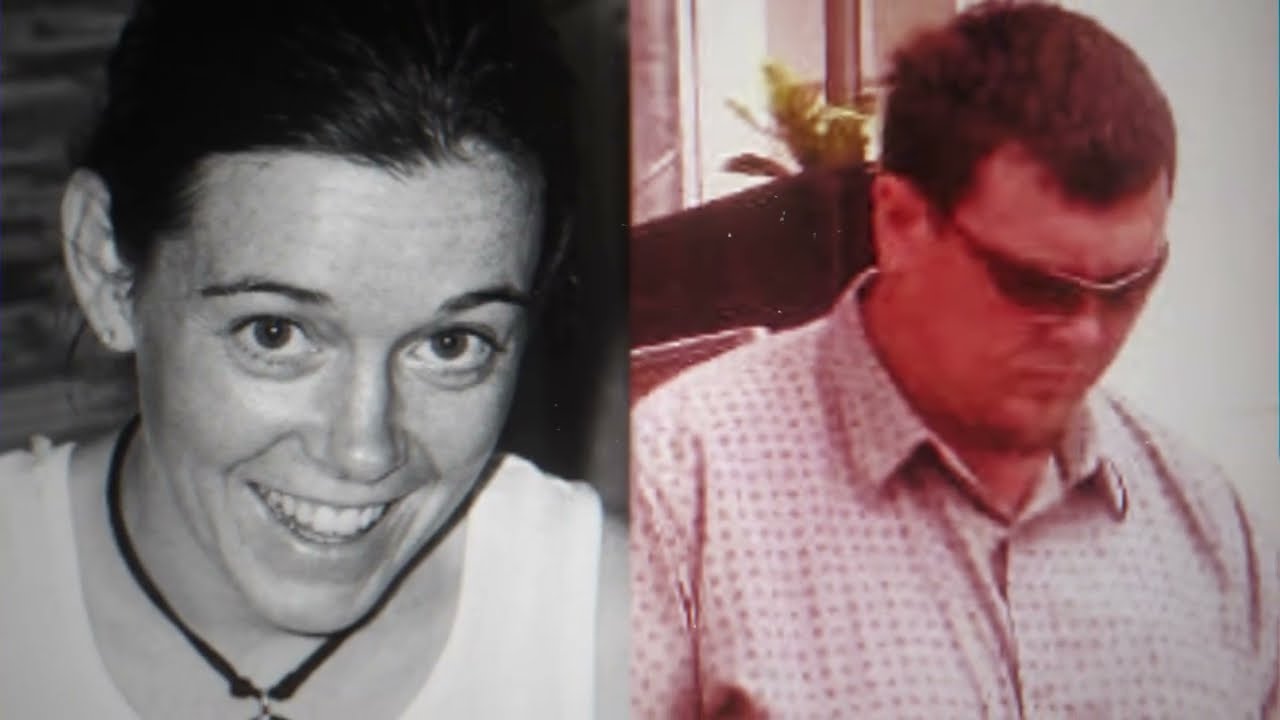
Equally compelling, though far more tragic in its long-term scope, is the story of Steven Stayner. Abducted at seven while walking home from school, Stayner spent seven agonizing years under the control of Kenneth Parnell, who brainwashed the boy into believing his parents had abandoned him. When Stayner eventually orchestrated a daring escape, saving a younger kidnapped boy in the process, he was hailed as a national hero. Yet, the transition back to “normal” life was fraught with profound psychological scars. His story—the subject of the miniseries I Know My First Name Is Steven—stands as a haunting reminder that survival is only the first step in a much longer, often painful journey toward healing.
Perhaps the most startling of these narratives are the ones where the missing child is the catalyst for their own recovery. Carlina White, stolen from a New York hospital as a newborn in 1987, was raised by her kidnapper for twenty-three years. It was not a detective’s breakthrough that ended her ordeal, but her own determination. When she faced obstacles obtaining health insurance without a legitimate birth certificate, she began to dig. By cross-referencing missing children databases, she eventually uncovered her true identity, forcing a confrontation that dismantled decades of lies.
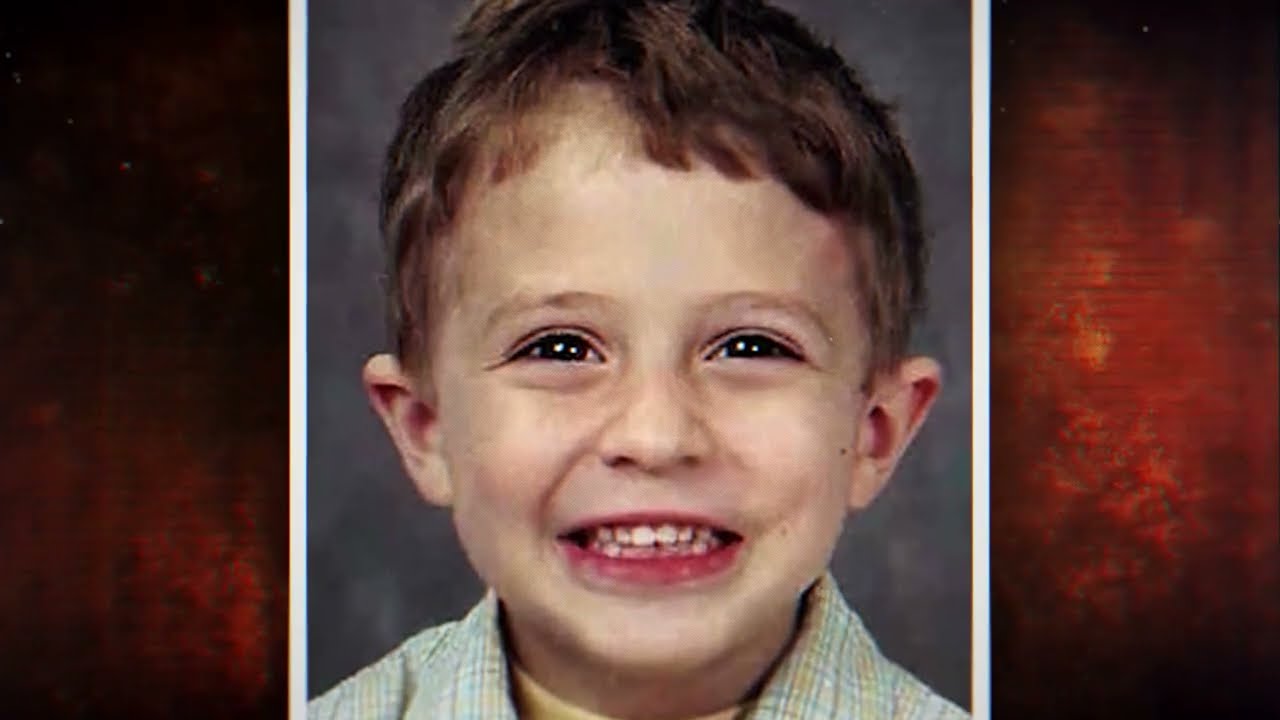
These cases suggest a pattern: while the initial abduction is often the work of predators or impulsive individuals, the resolution frequently relies on the serendipity of the modern age. A college application, a routine police check in an internet cafe, or an anonymous tip can trigger a landslide of revelations. However, these resurfacings often come with heavy costs. The families, who have lived through the trauma of “losing” their children, find that the reunion is not a simple return to the status quo. It is the beginning of a complex reconciliation with years of lost time, distorted identities, and deep-seated emotional wounds.

As we look toward the future, the rise of digital footprints and advanced data tracking may make it increasingly difficult for kidnappers to keep victims hidden for decades. However, the psychological manipulation tactics used by abductors remain a formidable threat. Future advancements in forensic psychology and trauma-informed support will be essential to help these survivors integrate into society after years of being severed from their origins.

The stories of those who turned up alive are testaments to the tenacity of the human will. They serve as a stark reminder that as long as a mystery remains unsolved, hope—no matter how fragile—is never truly extinguished. These children, whether found through brilliant detective work or by their own hand, eventually found their way back to the light. Yet, their journeys remind us that every missing child leaves a void that can never be truly filled, and every return is a reminder of the fragility of the life we hold so dear.