Trump Promotes UFC-Themed Coins as Global Tensions Rise and Melania Champions AI
From UFC Coins to Artificial Intelligence: Trump and Melania Spark Headlines on Multiple Fronts
The Great American Grift: How the White House Traded Diplomacy for Collectible Coins

The world stage is burning. In the Middle East, the ceasefire between the United States and Iran has disintegrated into a terrifying exchange of fire, with reports of an American Apache helicopter downed by a hostile drone. National security is at a breaking point, the geopolitical landscape is shifting beneath our feet, and the threat of total war looms larger than at any point in the last decade. Yet, inside the hallowed halls of the White House, the focus seems to have drifted far from the war room and toward an altogether different kind of battlefield: the marketplace of high-end, gold-plated collectibles.
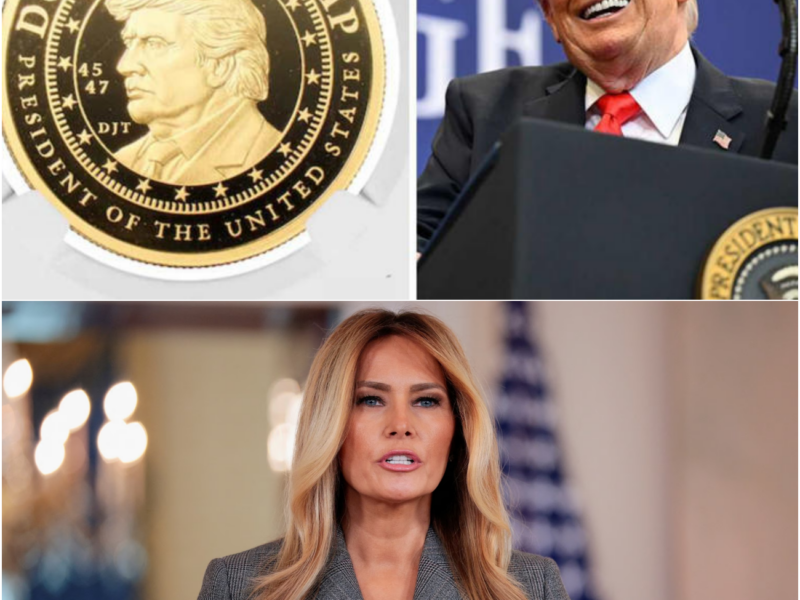
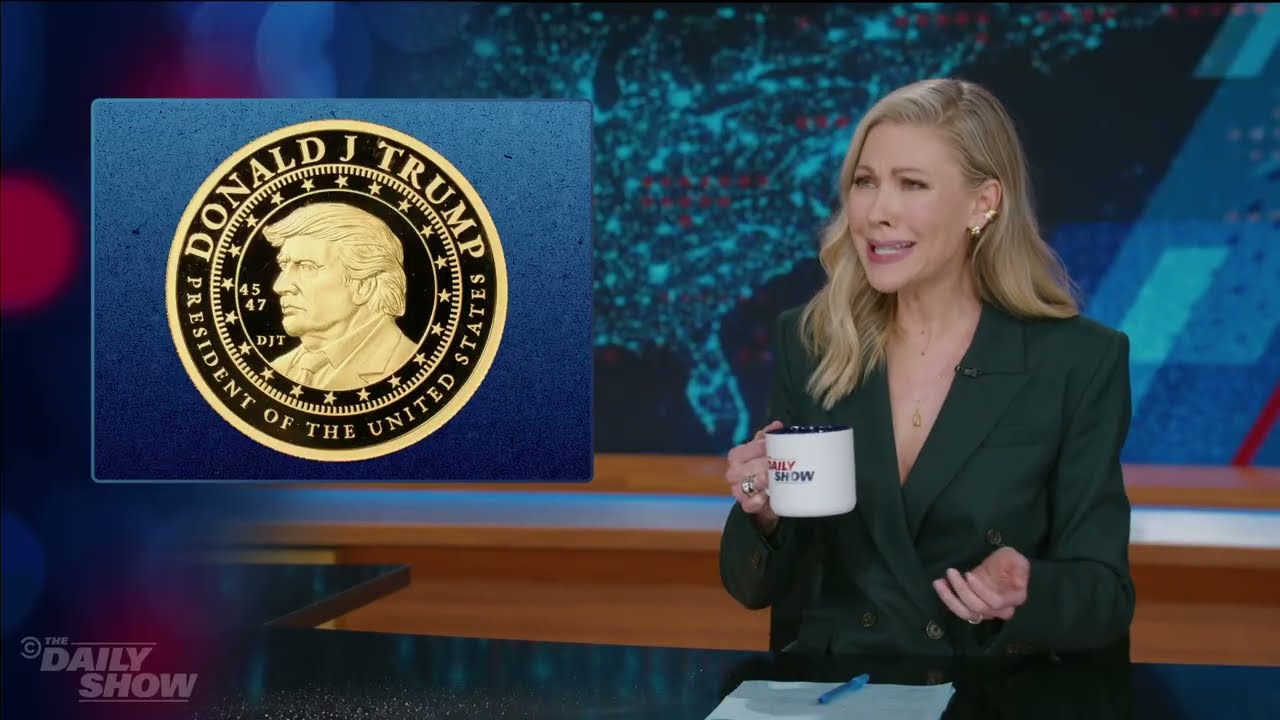
While military leaders and diplomats scramble to prevent a global catastrophe, the Trump administration has chosen this moment to launch a peculiar, high-stakes marketing campaign. The “Freedom 250” medallions—a collaboration between the Trump Organization and the UFC—are now the centerpiece of the administration’s public output. These gold and silver coins, adorned with the President’s own likeness, are being sold to the American public at prices ranging from a modest $250 to a staggering $12,000. It is a spectacle that defines the current era of governance: a jarring, surreal blend of blood-sport entertainment, aggressive commercialism, and a complete abandonment of traditional political decorum.

To the outside observer, the juxtaposition is dizzying. We are witnessing a historic military crisis, yet the primary message emanating from the executive branch involves stars, numbers, and circular medallions. Critics and political analysts are left grappling with a fundamental question: Is this merely the latest iteration of a well-worn brand, or is the administration signaling that it has officially transitioned from governing a nation to curating a legacy of consumerism? The $12,000 price point for a piece of commemorative metal is not just a high fee; it is an audacious statement on the commodification of the presidency itself.
The Rise of the Machine: Melania and the New Frontier
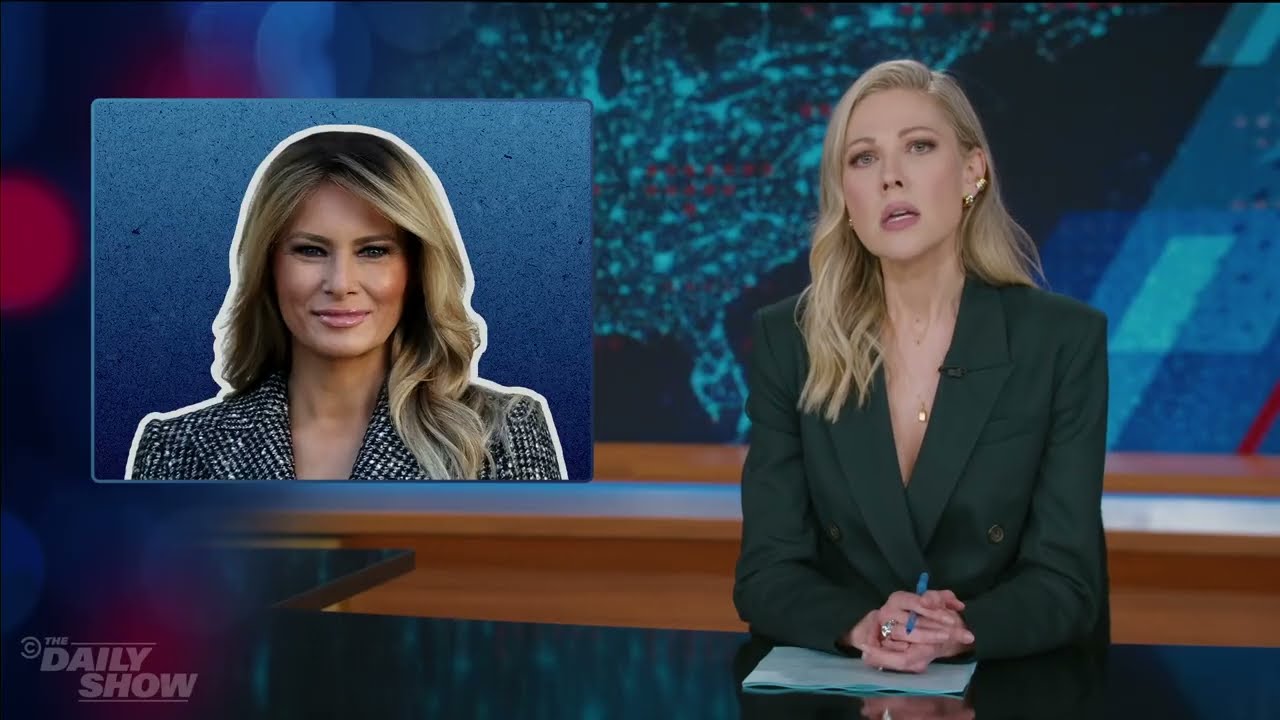
While the President promotes his commemorative coins, First Lady Melania Trump has turned her focus to the rapid, often unnerving, advancement of artificial intelligence. Her recent event at the White House served as both a technological showcase and a cryptic, metaphorical deep-dive into the future of humanity. Her speech, which many have noted possessed the distinct, jarringly abstract cadence of an AI-generated script, centered on themes of “blossoming” and “sailing away on the rocket ship of courage.”
Beneath the flowery, almost surreal metaphors, however, lies a more sober reality. The administration is embracing a future where AI and robotics underpin every sector of American business and defense. From autonomous fighter jets and swarming drones to the robotic systems already engaged in the conflict with Iran, the transition from human-operated machinery to autonomous warfare is no longer a distant sci-fi scenario—it is the status quo.
The irony, perhaps lost on the participants, is palpable. The very technology that the First Lady champions as a tool for “opening doors” and “realizing dreams” is currently being deployed in the skies over the Middle East to engage in lethal combat. When a pilot is downed by an enemy drone and subsequently rescued by a robotic surface vessel, the lines between technological innovation and existential threat blur entirely. We are no longer just living in the era of AI; we are being managed by it, both on the battlefield and in the rhetoric emanating from the nation’s capital.
The Future of the “Freedom” Economy
If the current trajectory of the administration continues, we can project a future where political solutions are increasingly intertwined with commercial opportunities. In this scenario, national milestones—be they treaty signings, anniversaries, or diplomatic breakthroughs—are no longer finalized with handshakes or policy shifts alone, but with the launch of limited-edition physical merchandise.
The “Freedom 250” coins are a prototype for this new political reality. If the administration can successfully monetize a UFC partnership during an active conflict, why should they not monetize every future policy decision? The economic implications for such a model are vast:
Political Merchandising as Deficit Reduction: If every diplomatic failure or success is tied to a high-ticket collectible, the treasury could theoretically offset costs through consumer spending rather than taxation.
The Gamification of Governance: By turning national challenges into “collabs” with celebrities or athletes, the administration bypasses traditional news media and communicates directly with a base that values entertainment value over policy nuance.
The Normalization of the Grift: As the public becomes accustomed to seeing the President’s face on everything from coins to sneakers during times of crisis, the standard of what constitutes “presidential behavior” shifts permanently. The grift ceases to be a scandal and becomes an expected feature of the political brand.
A Nation in Search of Substance
As we stand on the precipice of an escalating war, the choice between the substance of governance and the shadow of the grift has never been more stark. The $12,000 price tag on a coin might seem trivial compared to the cost of an Apache helicopter, but the message it sends is far more corrosive. It signals that in the eyes of this administration, there is no event so serious that it cannot be turned into a transaction.
The danger of this path is not merely that it looks ridiculous or unprofessional. The danger is that while the administration is preoccupied with the optics of its brand and the revenue of its collaborations, the actual problems facing the country—inflation, foreign wars, and the ethical dilemmas posed by autonomous warfare—remain unaddressed. A country cannot be saved by commemorative coins, and a war cannot be won by marketing a “freedom” medallion. When the robots are in the sky and the currency of the state becomes its own merchandising, the question for every American remains: what is the actual price of our future?