Viral Clash Erupts After Pride Flag Removal as Crowd Breaks Into ‘USA’ Chants
Heated Scene Unfolds After Pride Flag Removal as Bystanders Chant ‘USA’
The Battle for the Flag: A Nation Divided at Stonewall
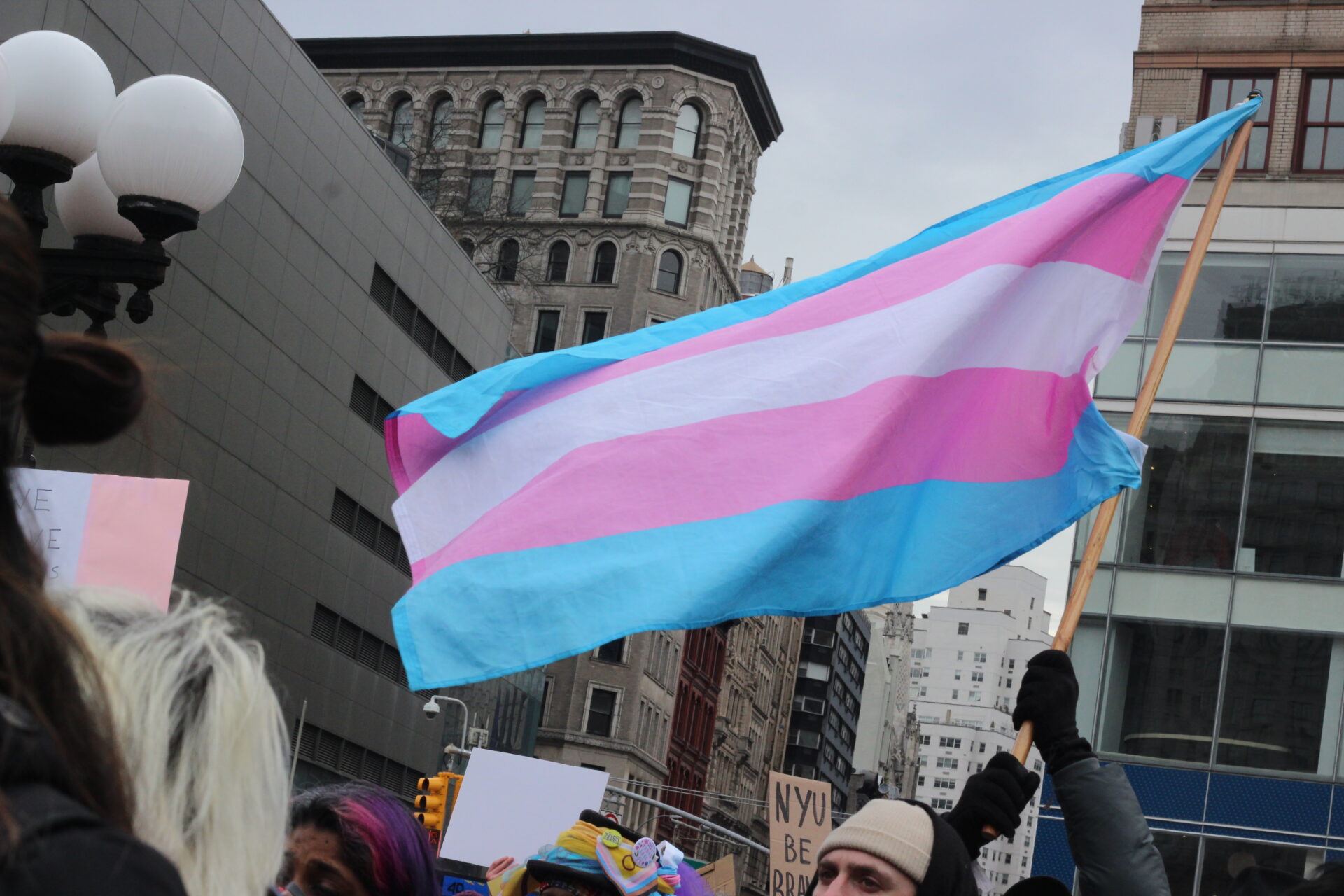
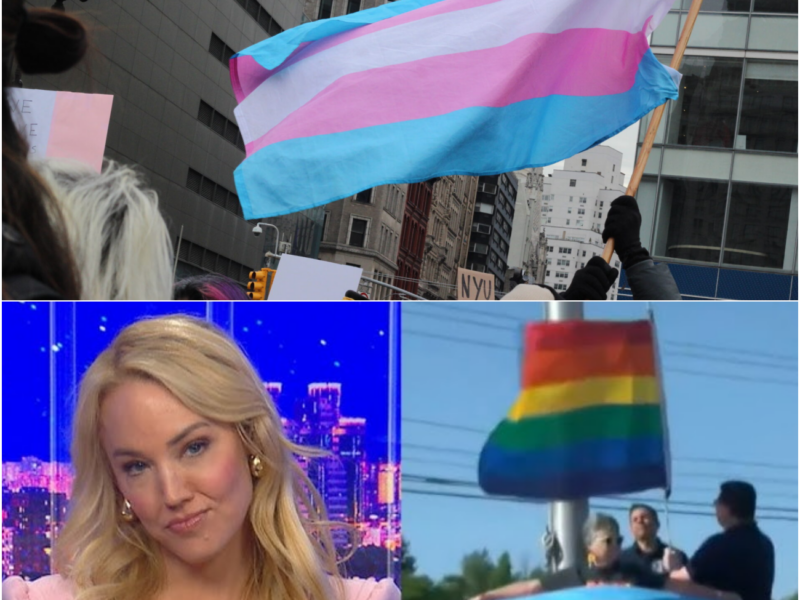
The air in Greenwich Village was thick with a volatile mix of historic defiance and modern-day fury. For those gathered at the Stonewall National Monument, the sight of a flagpole standing bare—stripped of the rainbow Pride flag—wasn’t just a bureaucratic update; it was a profound act of cultural erasure that felt like a punch to the gut of the LGBTQ+ community. When the National Park Service removed the banner in February 2026, acting under a new federal guidance issued by the Trump administration, it ignited a firestorm that transformed the birthplace of the modern gay rights movement into the epicenter of a bitter, national identity crisis.
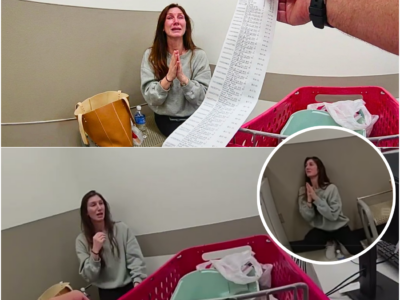
As crowds gathered in the frigid February night, the tension was palpable. The removal was one of several aggressive steps by the administration to scrub references to queer and transgender history from federal sites, a move that activists decried as a systematic attempt to rewrite American history. When the flag was finally brought down, the reaction was immediate. Emotions boiled over, leading to moments of raw, unvarnished heartbreak. Videos from the scene captured individuals in states of visible distress, their sobs echoing against the backdrop of the very streets where decades of struggle had once been fought.
The Clash of Symbols: “USA” vs. Inclusion
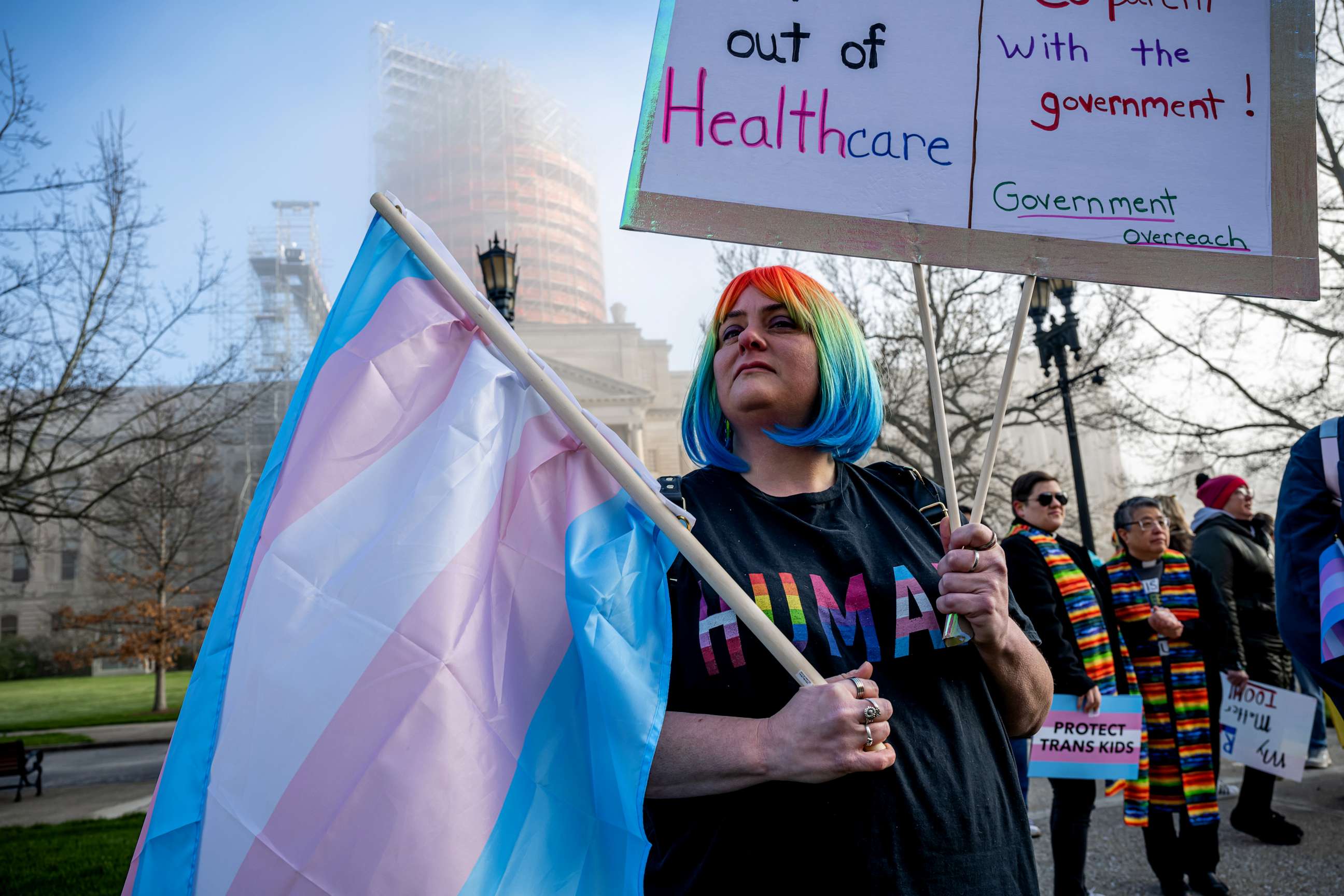
As the protests intensified, the atmosphere fractured further. On one side stood demonstrators draped in rainbow and transgender flags, chanting for visibility and survival. On the other, a group of counter-protesters arrived, unfurling American flags and raising their voices in a rhythmic, deafening chant of “USA, USA!” The scene became a haunting representation of a country seemingly unable to reconcile its competing visions of itself.
For the activist on the ground, the contrast was devastating. The chant of “USA” was not perceived by the protesters as an expression of patriotism, but as a weaponized rallying cry—a signal that the flag of the nation was being used to exclude rather than include. The sight of this polarization left many in the LGBTQ+ community feeling isolated, as if their contributions to the American fabric were being systematically unstitched by the very government tasked with preserving it.
Beyond the Flagpole: A Pattern of Erasure

This was not an isolated event. Months prior, the government had already scrubbed references to transgender people from the monument’s website, and similar directives were being implemented across federal departments. The administration’s stance, framed as a return to “biological truth,” has created a massive legal and social tug-of-war.
The ramifications extend far beyond the flag itself. We are seeing a future where our public squares and national monuments are becoming theaters of cultural combat. As the administration continues its mission to redefine “divisive” materials, historians and advocates warn that we are entering an era of sanitized memory. The legal battle that followed—which eventually saw the administration agree to restore the flag at Stonewall—proves that the path to visibility is increasingly through the courtroom, not the consensus.
The Math of Polarization

If we look at the trajectory of these conflicts, the numbers are stark. In early 2026 alone, the removal of symbols from federal properties triggered nearly 150 localized protests across the United States. Each incident serves as a petri dish for social fragmentation. As the administration doubles down on its “messaging microscope” to curate the national identity, the cost of this curation is the alienation of millions of citizens. In a nation of 345 million, even a small percentage of the population feeling erased is enough to sustain decades of civil unrest. The question remains: can a monument dedicated to the “Stonewall Uprising” ever truly be a site of neutral history, or will it always be a battlefield?