World Cup Chaos Erupts as Major Problems Unfold in Front of Donald Trump
World Cup Chaos Erupts as Major Problems Unfold in Front of Donald Trump
The Great American Collapse: How the 2026 World Cup Became a Political Minefield
By Global Investigative Desk

The promise was simple: the 2026 FIFA World Cup would be the largest, most inclusive tournament in history, a $30 billion economic engine spanning the North American continent. But as the countdown hits its final week, the reality on the ground in the United States is starkly different. What was intended to be a showcase of American vibrancy has transformed into a high-stakes, geopolitical stress test that threatens to leave our hotels empty, our borders paralyzed, and our international reputation in tatters.
The $30 Billion Mirage
The primary selling point for the 2026 World Cup was the anticipated economic windfall. However, recent data suggests a crumbling reality. The LA Times and industry insiders have described hotel bookings for the tournament as “very disappointing,” with some hotel executives labeling the event a “non-event.” This is not merely a logistical failure; it is a direct consequence of a political environment that has signaled to the world that the United States is a gated, rather than open, destination.
The deterrents are multifold: exorbitant ticket prices, stringent visa restrictions that have left national teams scrambling to organize travel, and a pervasive fear of immigration enforcement. When international fans fear that attending a soccer match could result in unwanted interactions with federal agents, they don’t just stay home; they take their tourism dollars to more welcoming climates.
The ICE Specter at the Stadium Gate
The most contentious issue—and perhaps the greatest driver of the “non-event” status—is the reported presence of Immigration and Customs Enforcement (ICE) agents at tournament venues. A Washington Post-University of Maryland poll recently revealed that nearly two-thirds of Americans oppose the stationing of ICE agents at World Cup stadiums. This is a monumental disconnect between the public’s desire for a festive, inclusive atmosphere and the administration’s commitment to an aggressive, security-first posture.
While officials attempt to reassure the public that their presence is for “security” rather than “civil immigration enforcement,” the ambiguity is precisely what scares the global community. For a traveler from abroad, the distinction between a customs inspection and an immigration raid is thin at best. When local police are forced into the orbit of federal immigration enforcement, the result is historically predictable: increased racial profiling, discrimination, and a chilling effect on the diversity that is supposed to define the World Cup experience.
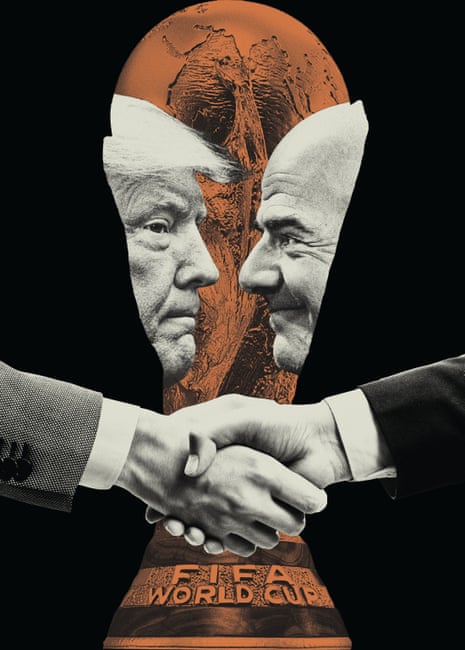
A Legislative Battlefield
The tensions surrounding the tournament have spilled directly into the halls of Congress. Recent hearings on Capitol Hill devolved into shouting matches, with lawmakers clashing over border security and the optics of federal agents monitoring sporting events. These confrontations are more than just theater; they reflect a deep-seated polarization that makes the cohesive management of a massive international event nearly impossible.
The administration’s refusal to ease concerns is further isolating the event. By framing ICE as a “villain” in the eyes of the public, the administration has doubled down on its narrative, choosing to prioritize border optics over the success of the tournament. The fallout is visible: civil rights groups, including the ACLU and over 120 other organizations, have issued stern warnings to potential visitors about the risks of traveling to the U.S. during this period.
Future Scenarios: The Cost of Isolation
What are the long-term consequences of this tournament’s failure? If the 2026 World Cup serves as a case study for the “America First” travel policy, we are likely looking at a sustained downturn in international tourism. Future hosting bids may be met with severe skepticism by FIFA and other global governing bodies, which prioritize safety and inclusiveness over political posturing.
If current trends hold, the U.S. could face a “lost decade” of tourism, where potential visitors view the country not as a prime destination, but as a potential liability. Economically, this could result in a shortfall of billions in revenue for host cities like Los Angeles, New York, and Miami. The infrastructure investments, which were supposed to pay for themselves through the tournament, may instead become a long-term fiscal burden for municipal governments.
Furthermore, the “sanctuary city” conflict is heating up. With threats to shut down flights into cities that refuse to coordinate with federal immigration crackdowns, the administration is effectively weaponizing infrastructure. If these threats are carried out, the economic damage to the tourism and hospitality sectors in those major hubs would be catastrophic, creating a ripple effect that touches every segment of the American economy.
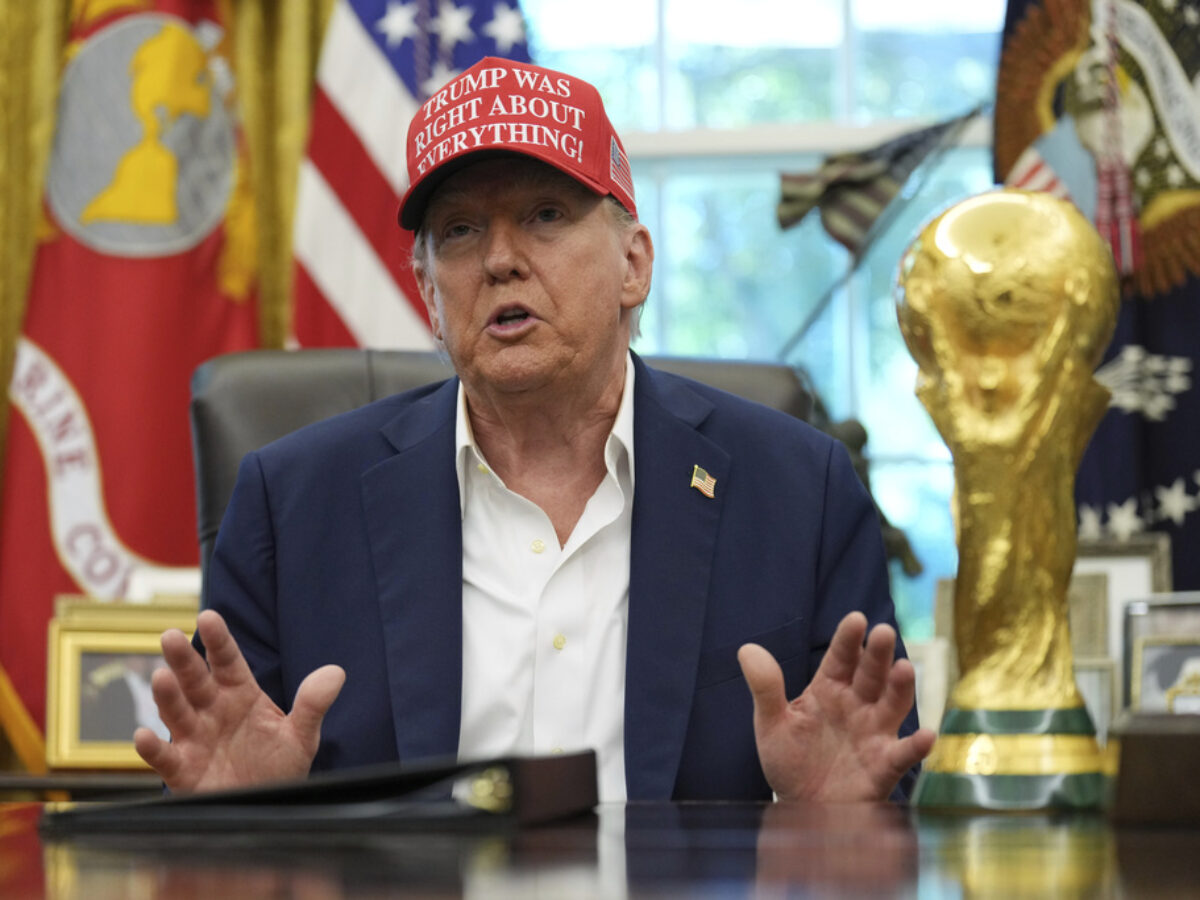
The LGBTQ Factor: A Shift in Landscape
The inclusion of LGBTQ fans was supposed to be a highlight of the U.S.-hosted tournament, particularly after the controversies surrounding Russia in 2018 and Qatar in 2022. Yet, the domestic political climate has shifted rapidly. With over 500 pieces of anti-LGBTQ legislation tracked nationwide and federal executive orders targeting transgender rights, many international supporter groups have already announced they will not have a visible presence at the tournament.
FIFA’s official stance—that “everyone is welcome”—clashes violently with the reality of the legal environment in many host states. This creates a cognitive dissonance that the tournament organizers have failed to address, leaving fans feeling vulnerable and unrepresented.
Conclusion: A Test the U.S. Cannot Afford to Fail
The 2026 World Cup is more than a sporting event; it is a stress test for the American experiment. Can the United States balance its security concerns with the requirements of a globalized, open, and celebratory event? As it stands, the answer appears to be no.
The empty hotels, the public outcry against immigration enforcement in stadiums, and the international boycotts are all symptoms of a larger conflict between national isolationism and global engagement. As the opening match approaches, the eyes of the world are not just on the soccer fields of Mexico City—they are on the borders and the streets of the United States, waiting to see if this collapse is permanent or if the nation can find a way to host the world without making the world feel like an intruder.