Your Blood Pressure Target at 70 May Be Different Than You Think—Here’s Why
Think Your Blood Pressure Goal Is the Same at 70 as It Was at 40? Here’s What Experts Say You Should Know
The Blood Pressure Paradox: Why Conventional Targets Fail the Aging Heart

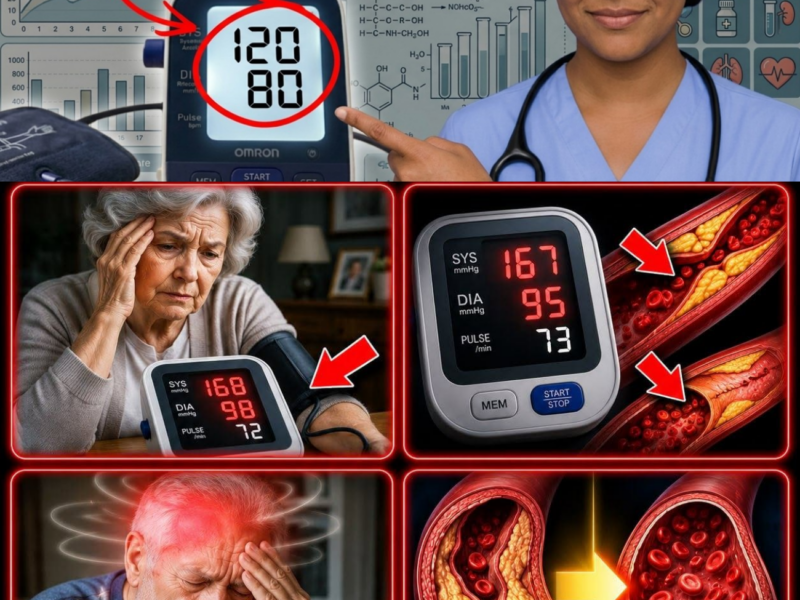
For decades, the medical community has coalesced around a singular mantra: 120/80 is the gold standard for blood pressure. It is a number etched into the consciousness of every American patient, a beacon of cardiovascular health that suggests longevity and lower risk. However, as medical research evolves to better understand the nuances of the aging body, a startling realization has emerged: the conventional blood pressure target, largely derived from data on middle-aged adults, may be fundamentally misaligned for those over 60.
At the core of this paradox lies the structural transformation of our blood vessels. As we age, vessels inevitably lose their elasticity, becoming stiffer and less responsive to the body’s dynamic needs. This stiffening is not just a precursor to hypertension; it is a fundamental shift in how the body maintains equilibrium. A 40-year-old’s vascular system is resilient, capable of compensating for sudden changes—like standing up too quickly or dehydration—within milliseconds. An 80-year-old’s system, however, lacks this same responsiveness.
This phenomenon, known as orthostatic hypotension, is where the danger of “perfect” blood pressure targets truly manifests. When a patient is aggressively treated to lower their systolic pressure toward 120, their vascular system may lose the ability to regulate blood flow when they stand, leading to lightheadedness, dizziness, and, frequently, falls. In the context of geriatrics, a fall is not merely a momentary stumble; it is often the beginning of a cascade of health crises, including hip fractures, head injuries, and a permanent loss of independence.

The medical community is now grappling with a difficult question: are we over-treating our elderly patients? Clinical guidelines are often based on large-scale studies that, historically, have excluded the very patients who are most vulnerable—those who are frail, managing multiple chronic conditions, or already experiencing balance issues. By applying these rigid, one-size-fits-all targets to a population with vastly different biological requirements, healthcare providers may inadvertently prioritize long-term stroke prevention at the expense of immediate, daily safety.
For a 75-year-old who is active, sharp, and physically resilient, a blood pressure of 140/92 might still warrant treatment to prevent long-term damage to the brain and kidneys. But for a peer of the same age who is already managing chronic frailty, aggressive treatment can trigger the very physiological instability that leads to injury. The discrepancy highlights the necessity of a personalized approach—where symptoms and resilience take precedence over a static number on a cuff.
Current medical guidance suggests that for most active adults over 60, aiming for a systolic pressure below 140 is a reasonable and evidence-supported goal. However, if that treatment is accompanied by symptoms—dizziness, fogginess, or unsteadiness—the conversation must shift. In these instances, the target may need to be adjusted upward to ensure the patient’s immediate safety, even if it deviates from the idealized 120/80 standard.
Home monitoring has become the most effective tool for navigating this complexity. By performing a simple “sit-to-stand” test—measuring blood pressure while seated and again within a minute of standing—patients can identify signs of orthostatic hypotension. A significant drop in pressure during this transition, particularly when accompanied by dizziness, is a critical data point that should be communicated directly to a healthcare provider.

The future of blood pressure management lies in moving away from a single, rigid numerical target toward a holistic strategy that balances long-term risk reduction with daily functional well-being. As the aging population continues to grow, it is imperative that both patients and providers embrace a more nuanced understanding of heart health—one that recognizes that a “normal” number is only truly beneficial if it supports the ability to live a full, independent, and safe life. By prioritizing symptomatic resilience over numerical perfection, we can better protect the cardiovascular and overall health of our nation’s seniors, ensuring that the treatment does not become the disease.