The Real Willie Nelson: From Struggle to Outlaw Icon
The Real Willie Nelson: From Struggle to Outlaw Icon
There are singers people enjoy for a little while. And then there are singers who seem to stay with them for life. Willie Nelson belongs to that second group. For millions of Americans, he was never just a country star. He was a voice you could recognize in an instant. A songwriter who could break your heart without ever sounding like he was trying too hard. A man who came to represent not only music, but endurance, independence, memory, and a certain kind of American truth. That is why Willie Nelson’s story still
matters. Because when you look at his life, you see much more than fame. You see a man who did not fit the expected mold. Did not follow the polished path. And yet became one of the most beloved and enduring figures in American music. At first, the music business did not quite know what to do with him. He did not look the way they wanted him to look. He did not sing the way they expected him to sing. And he was never going to become a carefully packaged version of somebody else’s idea. But time has a way of sorting these
things out. And in time, what people discovered about Willie Nelson was this. He was real. The songs were real. The voice was real. The struggles were real. The roads he traveled, the losses he survived, the chances he took, and the life he built on his own terms, all of it was real. That is why Willie lasted. Not because he chased trends. Not because he played the industry’s game better than everyone else. But because he gave people something they could believe in. Before the braids, before Trigger,
before the outlaw image and the legend became one in the same, there was simply a boy from Texas with a gift. A hard road ahead of him. And a sound the world did not yet know how to hear. What happened next would not only shape Willie Nelson’s life, it would help change country music forever. Willie Nelson was born into a world far removed from glamour, in Abbott, Texas, during the Great Depression. It was the kind of place that taught lessons early. Life was not handed to you there. You worked. You made do.
You learned how to keep going. He and his sister, Bobbie, were raised largely by their grandparents. And music entered his life almost as naturally as breathing. Church hymns, gospel, country, Western swing. These sounds were not separate categories to a child in Texas. They were part of the air. And Willie listened. Like many artists who leave a lasting mark, he was listening long before he fully understood what he was taking in. But something in him already knew that music was more than entertainment.
It was a way to make sense of things. A way to hold sorrow, joy, loneliness, longing, and hope in the same space. He picked up the guitar young. He started writing young, and before long, it was clear that music was not just something he liked. It was how he understood the world. That matters because Willie Nelson was never only a singer. From the beginning, he was a writer. The kind of writer who could take feelings most people struggle to describe and turn them into lines that seemed simple, honest, and
unforgettable. He did not write in a way that called attention to itself. He wrote in a way that made people feel understood. That is much rarer. Still, talent does not guarantee an easy life. In fact, talent often makes life more complicated. Because once you know what you are meant to do, it becomes harder to settle for a life that leaves that gift unused. So Willie did what many dreamers do. He worked. He hustled. He played where he could. He took the kinds of jobs people take when the dream has not yet turned into a
living. He saw life from the ground level, not from the top. And that grounded quality never left him. Even later, when the fame came, when the crowds came, when the legend began to grow, there was always something about Willie that still felt close to ordinary people. That may be one reason so many trusted him. But in those early years, trust was not the prize. Survival was. What he had then was uncertainty, persistence, and songs. And those songs were beginning to get noticed. When Willie made his way to
Nashville, he carried the same hope so many young songwriters had carried there before him. Maybe this would be the place where everything came together. And in one sense, it was. Because Nashville quickly understood that Willie Nelson had something rare. His songs began finding their way to major artists. Funny how time slips away, Hello Walls, Crazy. These were not minor songs. They were lasting songs. Songs with emotional weight. Songs that could break through because they did not feel manufactured.
They felt lived in. That should have meant easy acceptance. But life is not always that simple. Nashville respected Willie Nelson the songwriter faster than it embraced Willie Nelson the performer. And that is a very particular kind of frustration. To be valued, but not fully understood. To know your work is reaching people while still feeling that the deepest part of what you have to offer is being held at a distance. The Nashville of that era liked polish. It liked clarity. It liked artists who fit a shape the
industry knew how to sell. Willie, even then, did not fit neatly into that shape. There was a looseness in his phrasing. A conversational quality in his singing. A sense that he inhabited songs rather than simply performed them. That would one day become one of his greatest strengths. But in those years, it could also make him seem difficult to place. He recorded. He wrote. He built a name. He even joined the Grand Ole Opry. On paper, much of it looked successful. And yet beneath the surface, there was
tension. Because success is not always the same thing as freedom. Recognition is not always the same thing as belonging. Willie was benefiting from a system that also seemed determined to smooth him out. His songs were too good to ignore. But the man himself was still being filtered through expectations that did not truly fit him. For a while, he stayed with it. Many artists do. They hope the room will widen. They hope the business will one day catch up to the truth. Sometimes it does. Sometimes it does not.
And sooner or later, every serious artist faces the same quiet question. How much of yourself are you willing to trade for stability? For Willie Nelson, the answer eventually became clear. Not that much. So he made a decision that changed everything. He stepped away. When Willie returned to Texas, it was not a retreat. It was a turning point. He went back to a place where the lines between audiences were not so rigid. Where younger listeners, older listeners, hippies, rednecks, dance hall crowds, and folk crowds could all
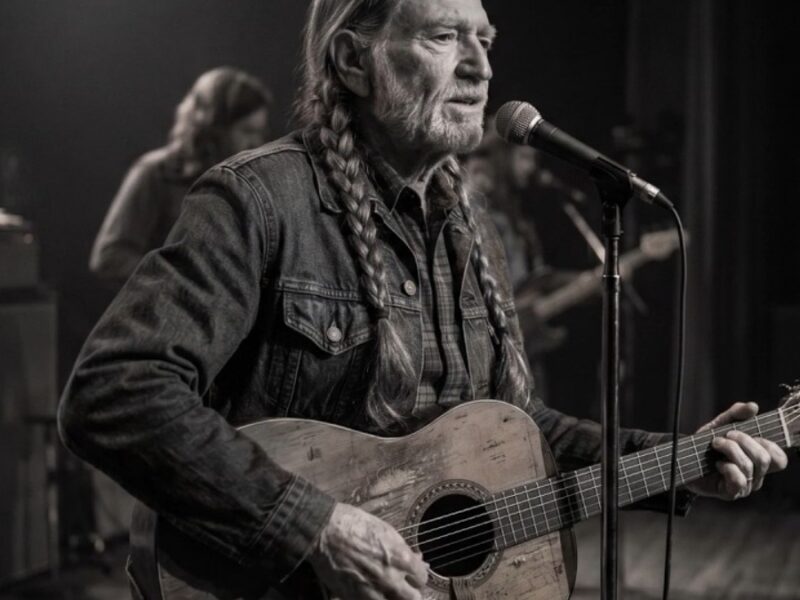
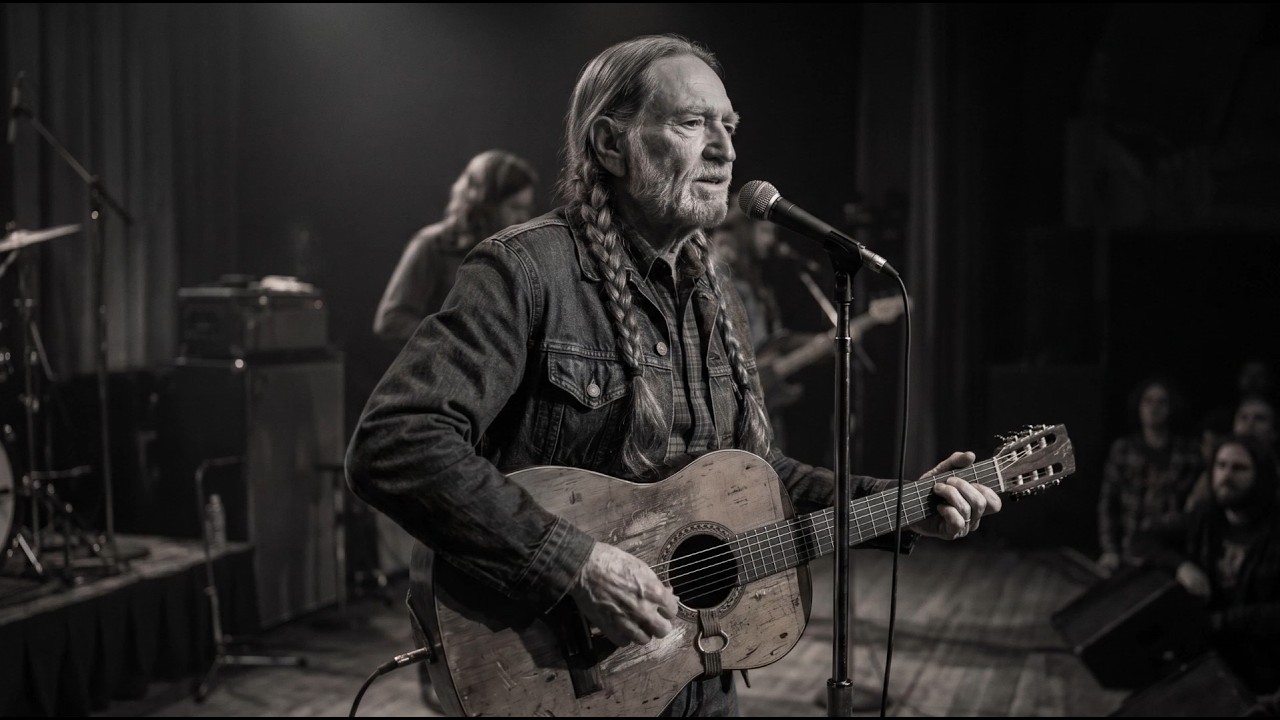
sometimes occupy the same space. Texas gave him room. And room was exactly what he needed. Because once Willie had space, he changed. Or maybe the truth is simpler than that. Maybe he stopped trying to hide the version of himself that had been there all along. The image people now associate with Willie Nelson began to take shape in this period. The braids, the bandana, the weathered ease, the sense of a man who was finally comfortable in his own skin. But the deepest transformation was musical.
He was no longer trying to sound like what the industry expected. He was sounding like Willie Nelson. That distinction made all the difference. Audiences have a deep instinct for authenticity. They may not always use that word, but they know when they are hearing somebody tell the truth. They know when an artist is standing inside a song instead of merely decorating it. And Willie had truth. At exactly the right moment, country music was ready for a broader emotional range and a rougher honesty than the
polished Nashville formula often allowed. Alongside artists like Waylon Jennings, Willie helped open the door to what became known as outlaw country. Now, outlaw could sound dramatic, but for Willie, it was never only about attitude. It was about independence. It was about artistic control. It was about the right to make records that sounded the way the artist believed they should sound. And then came the album that proved beyond question that Willie was on the right road. Red Headed Stranger. It did not sound the way the industry
expected a major record to sound. It was sparse, story-driven, unhurried. It left room between the notes. Some thought it sounded too bare, too plain, too unfinished. But that was exactly its genius. Willie understood something not every artist understands. A song does not always need more production. Sometimes, it needs more space. Space for the lyric, space for the story, space for silence to do its work, space for the listener to meet the song halfway. And that album changed the conversation.
Now Willie Nelson was no longer the artist Nashville once struggled to define. He was no longer the songwriter who fit more comfortably in other people’s voices than in his own. He had become something else. He had become unmistakable. And once an artist becomes unmistakable, the world tends to rearrange itself around that truth. After that breakthrough, Willie’s career expanded in every direction. There were hit songs. There were famous albums. There were film appearances, collaborations, tours, honors,
and the growing recognition that Willie Nelson was becoming more than a country star. He was becoming a national figure. But the most important thing about his rise was not simply the scale of it. It was the way he rose without losing the center of himself. That is rare. Many artists become bigger and somehow less human. The brand grows, the business grows, the image grows, and the person disappears behind it. That did not happen to Willie. Even at the height of success, his voice remained intimate.
He could sing slightly behind the beat, almost as if the thought had just arrived in him. And somehow that made the listener lean in rather than drift away. There were smoother singers. There were louder singers. There were singers with more dramatic range, but almost nobody sounded as lived in as Willie Nelson. When he sang, it felt like experience was coming through the words, not performance, experience. That was true in the heartbreak songs. It was true in the road songs. It was true in the standards.
It was true in songs that seemed almost too plain until Willie found the human center inside them. That is one reason Stardust mattered so much. It showed that Willie was not confined to one lane. He could take great American songs and sing them in a way that felt both timeless and deeply personal. And when he sang Blue Eyes Crying in the Rain, Always on My Mind, or On the Road Again, he was doing more than creating hits. He was building memory. People remember where they were when certain songs found them.
They remember who they were with. They remember the years of their lives those songs came to represent. Across decades, Willie Nelson became part of that emotional landscape for millions of Americans. That is a kind of success the charts cannot fully measure. By the 1980s, he was not simply admired. He was trusted. And that trust would matter when life took a harder turn. Every long life, and certainly every long career, is eventually tested. For Willie Nelson, one of the most painful and public tests came when
financial trouble became national news. The IRS seized his assets over a massive tax debt. And suddenly, a man who seemed woven into the fabric of American music was facing a very public humiliation. It is one thing to struggle privately. It is another thing for the whole country to watch. Moments like that do more than threaten a person’s finances. They threaten identity. They create doubt. They invite people to ask whether the man they admired was ever truly what they believed him to be. And yet what stands out about Willie
Nelson is not that he avoided hardship. It is the way he met it. He did not disappear. He did not turn cold. He did not spend his remaining years hiding from embarrassment. He kept going. He kept recording. He kept performing. He kept working through trouble the same way he had worked through so much else in life, one day, one song, one road at a time. There is something deeply moving in that. Because by a certain age, most people understand this truth. Character is not revealed when things are easy.
Character is revealed by what remains in a person after life has had its say. What remained in Willie was humor. What remained was resilience. What remained was perspective. And perhaps above all, what remained was warmth. He never seemed to lose his sense of proportion. Fame did not make him grand, and hardship did not make him bitter. That combination preserved something very precious between Willie and his audience. Affection. People did not just admire his talent. They admired the way he carried himself
through the years. And over time, that mattered more and more. Because talent may bring attention. Character keeps love alive. As the years passed, Willie Nelson entered the stage of life where many public figures stop feeling like people and start feeling like symbols. But Willie never felt frozen. He kept recording. He kept touring. He kept showing up. He kept collaborating with old friends and younger artists alike. He remained visible without seeming artificial. He also devoted energy to causes that
reached beyond his own career. Farm Aid, for example, revealed something important about him. Willie was not only interested in preserving his own freedom. He cared about the people whose lives were being crushed by forces larger than themselves, especially family farmers trying to hold on to their work, their land, and their dignity. That gave his public image moral weight. By then, of course, the public identity of Willie Nelson included many things. The road-worn smile, the humor, the rebellious streak, the easygoing spirit,
the famous guitar Trigger, the unmistakable silhouette. But none of those details by themselves explain why he endured. He endured because he came to represent a kind of freedom people recognized and admired. Not selfish freedom. Not noisy rebellion. But the freedom to remain yourself. The freedom to age honestly. The freedom to reject polish when polish is false. The freedom to hold on to your individuality in a world that often rewards sameness. That may be one reason Willie continued to reach younger generations, too.
Not because he was chasing youth, but because authenticity never really goes out of style. Every generation is hungry for it. Willie offered a model that felt increasingly rare. He did not seem hurried. He did not seem manufactured. He did not seem frightened of time. That gave him dignity. And it gave his life a meaning that went far beyond celebrity. So yes, Willie Nelson is one of the great names in country music. Yes, he wrote unforgettable songs. Yes, he helped reshape the sound and spirit of country music.
Yes, he survived the business, the pressure, the public trials, and the long road that leaves many artists behind. But that is still not the whole story. The whole story is that Willie Nelson became something larger than fame. He became a reminder. A reminder that truth lasts longer than polish. A reminder that the most distinctive voices are often the ones the industry hesitates to trust at first. A reminder that there is real strength in humility, real power in gentleness, and real dignity in remaining who you
are. That is why people kept listening. Not just because he was famous. Not just because the songs were good. But because somewhere in that voice, they heard something steady, something that had been tested, something that had lived, something that understood joy and sorrow alike. Something that knew life was complicated and kept singing anyway. And perhaps that is the finest thing one can say about Willie Nelson. He did not merely entertain people. He accompanied them through changing times, through long drives,
through marriages and heartbreaks, through hope, loneliness, memory, and age. Through quiet evenings when a song says what people themselves cannot quite find the words to say. That is not a small achievement. That is a life’s work. And that is why Willie Nelson remains, for so many Americans, not just a legend of country music, but a part of American memory itself.