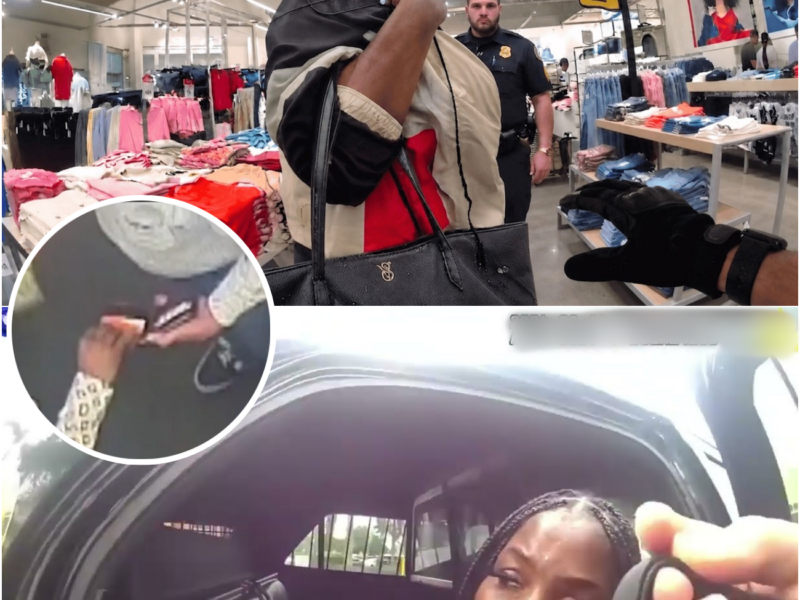
Caught RED-HANDED: Thief Tries to Swipe Stolen Card and Instantly Regrets It
Store Clerk Stops Thief Cold After Spotting Stolen Credit Card
The blinding fluorescent lights of a bustling shopping mall flashed against the polished tile floor as absolute panic broke loose near the crowded retail corridors. What began as a routine afternoon family outing transformed into a high-octane legal nightmare in a matter of seconds, exposing the brutal collision between sudden temptation, electronic surveillance, and the unyielding reach of modern law enforcement. This was no ordinary retail dispute. It was a breathless, fast-moving drama capturing a brazen credit card theft, a lightning-fast digital trace, and the chilling realization that in today’s high-tech world, criminal escapades can unravel in less time than it takes to walk from one storefront to the next.

On June 14, 2024, an unsuspecting shopper placed her keys and wallet down momentarily inside a popular clothing boutique, creating an irresistible window of opportunity for someone lacking moral restraint. Within minutes, those misplaced items vanished. But the perpetrator’s calculated gamble on anonymity crashed down almost instantly. The victim received a frantic digital notification from her bank alerting her that her stolen debit card had just been swiped for a transaction at a competing shoe store down the concourse. Propelled by sheer adrenaline, the victim sprinted toward the store, locking eyes with loss prevention personnel who had already flagged the suspicious purchase and secured the exact transaction logs and security footage.
When local police officers arrived on the scene, they did not have to search blindly through a maze of suspects. The digital trail was airtight. Store records showed that within a mere 23 minutes of the theft, the suspects had used the stolen card to purchase multiple pairs of shoes, only to attempt a hasty return for cash. As officers zeroed in on the couple—who were accompanied by a young child in a stroller—the atmosphere shifted dramatically. Confronted by authorities, the suspects initially attempted evasive maneuvers and denials, but the overwhelming mountain of digital receipts, surveillance stills, and direct eyewitness identifications left them nowhere to hide.
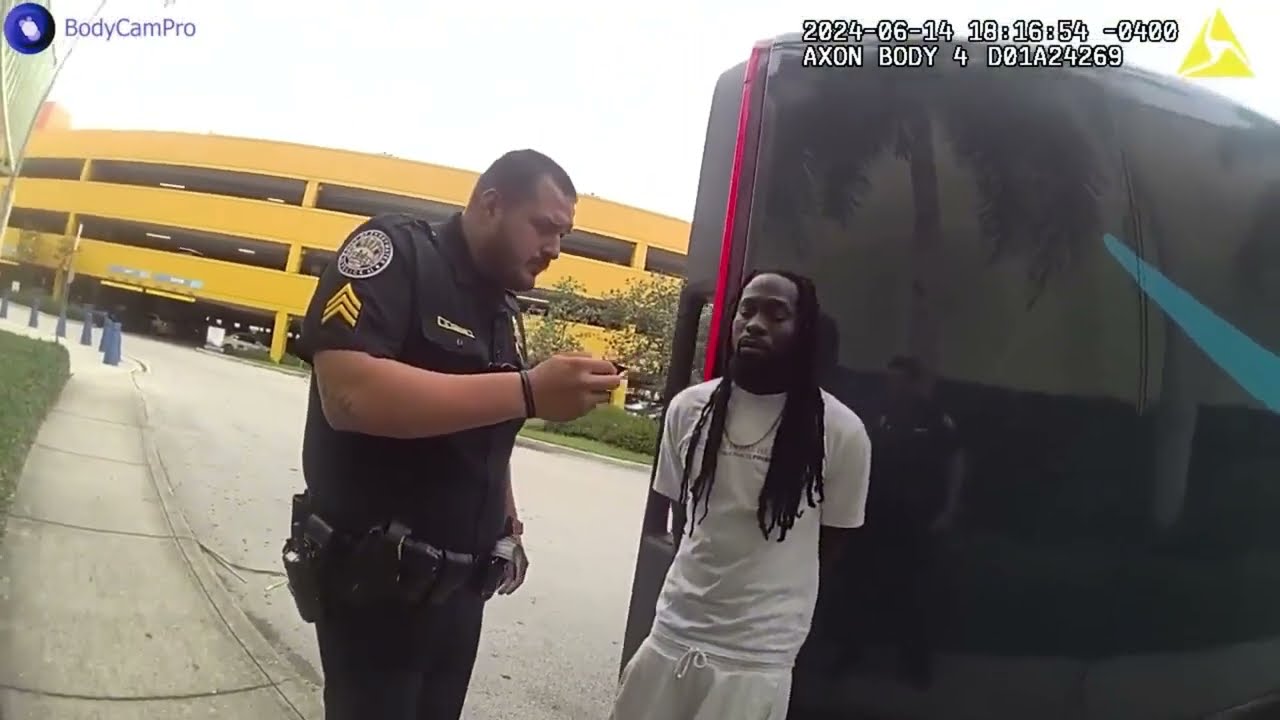
The unfolding investigation revealed a chaotic scene as officers separated the individuals to unravel the truth. The male companion, initially defiant and combative, faced sharp questioning regarding his proximity to the fraudulent activity. When officers discovered the stolen wallet containing the victim’s identification, bank cards, and personal keys hidden within their belongings, the psychological defense wall collapsed. Confronted with the undeniable evidence, the suspects finally admitted to taking the property. “I took the keys… and I know that I made a bad decision,” one of the suspects conceded, realizing too late that a momentary lapse in judgment had sealed their fate in handcuffs.

As the gravity of the situation set in, the emotional toll rippled through the immediate environment. Pleading for leniency and a promise to appear rather than a trip to jail, the suspects discovered that felony fraud charges carry severe legal weight that cannot be simply talked away. The presence of a young child added a deeply complex and tragic layer to the encounter, as officers navigated the delicate logistics of child custody while securing the suspects into patrol vehicles. The physical struggle that briefly erupted near the patrol car only compounded their legal jeopardy, adding resistance charges to an already extensive list of offenses.
This dramatic incident serves as a striking reminder of the rapid evolution of retail crime prevention and financial tracking. In contemporary American commerce, loss prevention teams and automated banking alerts operate with synchronized precision. Future scenarios in retail security point toward even more instantaneous tracking, where AI-powered facial recognition and biometric payment verification will render physical card theft obsolete within seconds of an unauthorized swipe. Until then, law enforcement agencies continue to leverage comprehensive digital footprints to ensure that opportunistic crimes are met with swift, documented accountability.

Ultimately, the mall confrontation stands as a potent cautionary tale about the devastating consequences of theft. A few stolen dollars and a fraudulent shoe purchase ultimately cost the suspects their freedom, their dignity, and peace of mind, leaving behind a permanent record that will impact their lives for years to come. As this bodycam-analyzed case demonstrates, trying to beat the electronic surveillance grid in a modern American shopping center is a gamble no one can win.