GOP Bill Takes Aim at Blue State as Pandemic-Era Unemployment Debt Tops $23B, Leaving Businesses on the Hook in California
GOP Bill Takes Aim at Blue State as Pandemic-Era Unemployment Debt Tops $23B, Leaving Businesses on the Hook in California
A pandemic-era safety net that turned into a multibillion-dollar debt
To understand the current dispute, it is necessary to go back to 2020, when the COVID-19 pandemic triggered a historic surge in unemployment across the United States. States suddenly faced millions of claims at once, overwhelming unemployment insurance systems that were never designed for such scale.
To keep benefits flowing, the federal government offered emergency loans to states whose unemployment insurance trust funds were depleted. These loans were intended as a temporary bridge—states would pay them back once employment recovered and payroll tax revenues stabilized.
Most states did. California did not.
As the nation’s largest state economy, California drew heavily on federal support to maintain unemployment benefits during the crisis. But years later, the state still carries an outstanding balance estimated at around $21 billion, with projections suggesting it could exceed $23 billion.
That lingering debt has become more than an accounting issue. It has begun to influence payroll taxes, business costs, and political debates over fiscal responsibility in Sacramento.
According to reporting referenced in the current debate, employers in California have already experienced automatic federal payroll tax increases designed to service the debt. Businesses reportedly paid an additional per-employee charge in recent tax cycles as part of the federal mechanism to stabilize unemployment insurance trust funds.
For many employers, especially small and mid-sized businesses, the issue is not abstract. It is a recurring cost embedded into payroll systems, tied directly to a debt they had no role in creating but are now helping to repay.
The Fong proposal: a repayment-first mandate
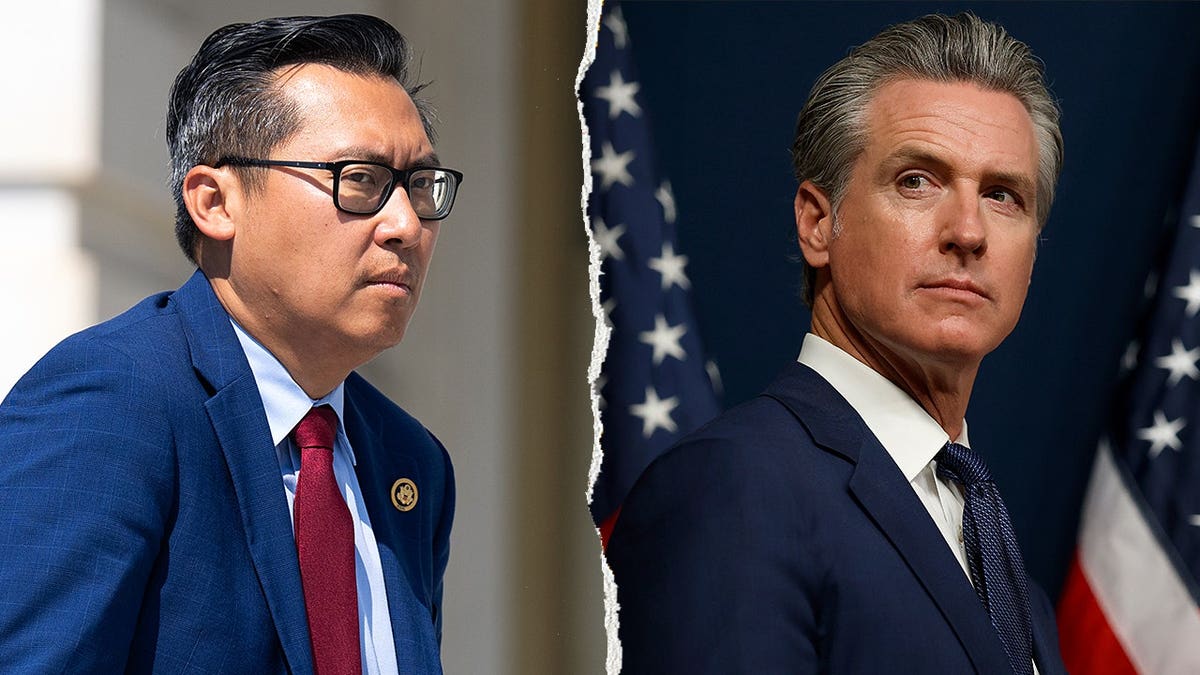
The bill introduced by Rep. Vince Fong represents a direct attempt to change how California manages its financial obligations.
Under the proposal, California would be required to prioritize repayment of its outstanding federal unemployment loan before spending federal funds on other programs. Specifically, the legislation would mandate that eligible federal funding be directed toward repayment within five business days of becoming available.
Failure to comply would carry a penalty: the state would be required to repay the full amount of misallocated funds to the federal government.
Supporters of the proposal argue that this structure is designed to enforce accountability rather than punish California. The bill’s framing is straightforward: if a state has an outstanding federal debt tied to unemployment insurance, it should not be able to allocate incoming federal dollars elsewhere while that debt remains unresolved.
In public statements, Vince Fong has described the situation as a failure of fiscal discipline in Sacramento. He argues that California had an opportunity to reduce or eliminate its pandemic-era liabilities during periods of strong revenue growth but instead chose to prioritize other spending areas.
Fong has also tied the issue to broader governance concerns, arguing that the unemployment insurance debt is not an isolated case but part of a pattern of fiscal mismanagement and administrative weakness.
His critics, however, argue that the proposal raises serious questions about federal control over state budgets and whether Washington should dictate how states prioritize spending across unrelated programs.
A state budget under pressure
The political backdrop for this debate is the shifting fiscal condition of California itself. During the post-pandemic economic recovery, the state experienced periods of strong revenue growth, including what was widely reported as a near $100 billion budget surplus in 2022.
That surplus, however, proved temporary. Inflation, stock market volatility, and slower-than-expected revenue growth have since tightened California’s fiscal outlook. Budget deficits have reemerged, forcing difficult decisions about spending priorities across healthcare, infrastructure, housing, and social programs.
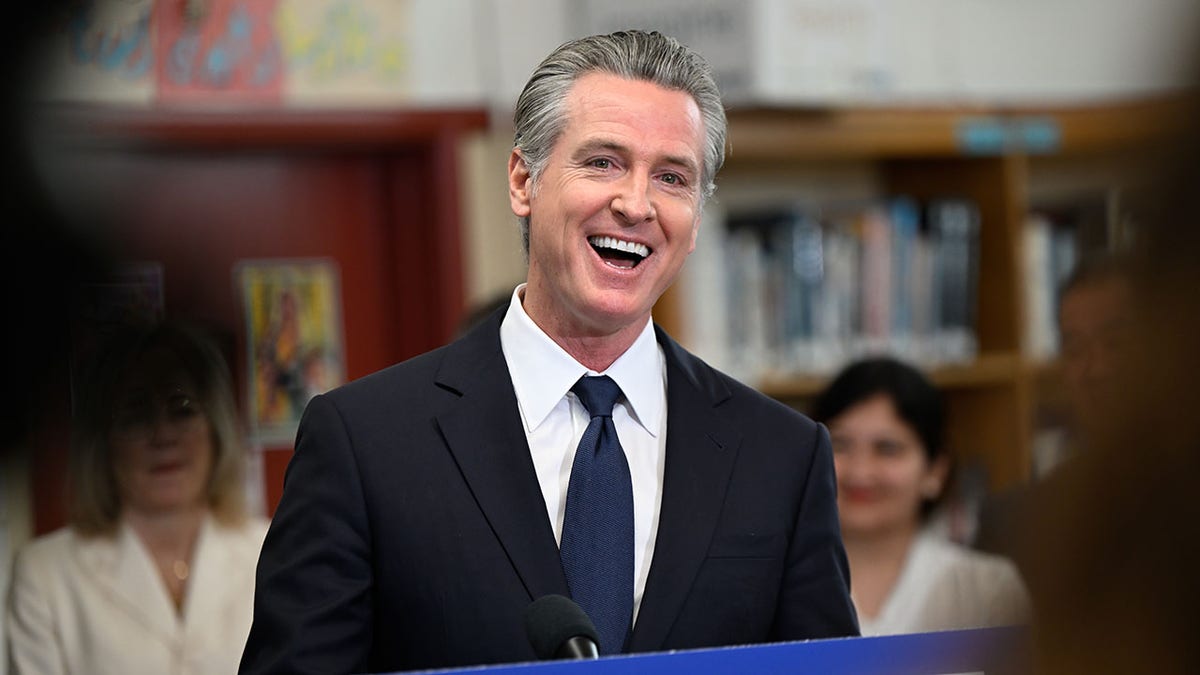
Governor Gavin Newsom and state Democrats have defended their budgeting approach, arguing that the surplus years were used to invest in long-term priorities such as infrastructure and public services rather than immediately paying down all liabilities at once.
At the same time, critics argue that the decision not to aggressively reduce unemployment insurance debt during those high-revenue years has left the state exposed to long-term costs that are now being passed onto employers.
The debate has become emblematic of a larger ideological divide: whether states should prioritize debt reduction when surpluses appear, or whether they should use those surpluses to expand public programs and address structural needs.
Fraud allegations and systemic concerns
Layered on top of the fiscal debate are ongoing concerns about fraud and administrative weaknesses in California’s unemployment insurance system.
Federal and state auditors have repeatedly raised red flags about program integrity. The U.S. Department of Labor has highlighted concerns about inadequate fraud prevention systems and inconsistent claimant verification procedures.
In one widely cited case, investigators uncovered widespread fraud during the pandemic period, including schemes involving incarcerated individuals improperly receiving unemployment benefits. Reports have estimated losses in the hundreds of millions of dollars in that category alone.
These issues have fueled broader criticism that California’s unemployment insurance system was not adequately prepared for the scale of claims it received during the pandemic and that modernization efforts lagged behind demand.
The controversy has now expanded beyond unemployment insurance. Recent allegations involving fraud in other state-administered social services programs have intensified scrutiny of California’s administrative systems.
The federal government has also increased pressure on the state. The U.S. Department of Labor has reportedly deployed investigative teams to review fraud safeguards in California’s unemployment insurance system.
Meanwhile, federal officials in the Trump administration have signaled broader concern over program integrity across multiple benefit systems, with some funding decisions being tied to compliance and fraud prevention standards.
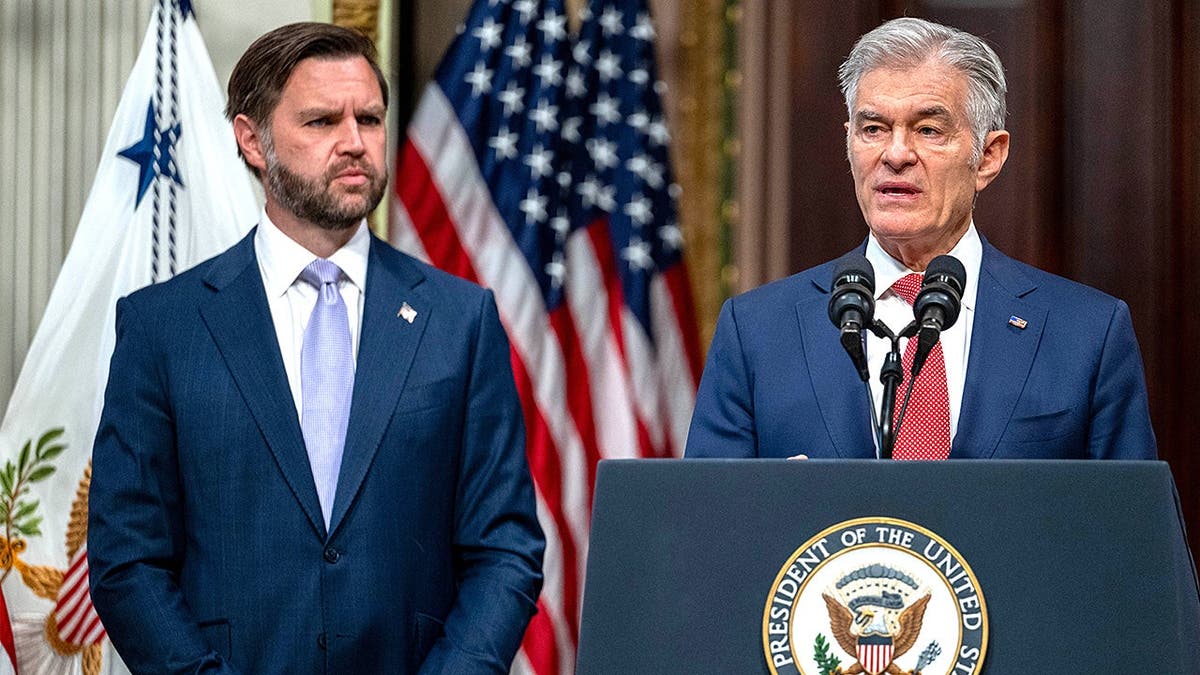
Vice President JD Vance publicly criticized California’s handling of fraud prevention, arguing that systemic failures have contributed to ongoing financial losses and undermined public trust.
Federal funding pressure and political escalation
The dispute over unemployment debt has now intersected with broader federal-state tensions.
Recent federal action to withhold portions of Medicaid funding—citing concerns about fraud in hospice and related healthcare programs—has escalated the political stakes. Supporters of federal intervention argue that oversight is necessary when large-scale public funds are at risk of misuse or weak accountability systems.
Critics, however, see a pattern of political pressure directed at California’s policy choices and governance model.

Governor Newsom’s office has not issued detailed public responses to every allegation raised in the current debate, though state officials have previously defended California’s unemployment insurance system by pointing to the unprecedented scale of pandemic claims and the difficulty of rapidly scaling fraud prevention systems during a global crisis.
This clash reflects a broader national tension over how much authority the federal government should exercise in monitoring state-run social insurance programs.
Employers caught in the middle
While much of the debate unfolds in Washington and Sacramento, the financial impact is most directly felt by employers across California.
Businesses have described a steady increase in payroll-related costs tied to unemployment insurance debt repayment mechanisms. These costs are not optional; they are embedded into federal and state tax systems designed to stabilize unemployment insurance trust funds.
For small businesses in particular, the added per-employee costs can accumulate quickly, especially in labor-intensive industries such as retail, hospitality, agriculture, and services.
Farmers and small employers have become a key constituency in the political debate, with supporters of the Fong bill arguing that these groups are effectively subsidizing government debt management decisions made years earlier.
Opponents counter that framing the issue solely as a burden on employers overlooks the broader economic stabilization function of unemployment insurance, which prevented deeper economic collapse during the pandemic.
The legal and constitutional questions
Beyond politics and economics, the proposal raises significant legal and constitutional questions.
At the core is the issue of federal authority over state fiscal decision-making. The U.S. Constitution gives Congress broad power to attach conditions to federal funding, a mechanism often used to shape state behavior in areas such as transportation, healthcare, and education.
However, critics of the bill argue that forcing repayment prioritization could push the boundaries of conditional federal spending by effectively dictating state budget sequencing.
Supporters respond that the bill does not eliminate state discretion entirely but instead establishes conditions for the use of federal funds tied to an existing federal loan obligation.
If enacted, the legislation would likely face legal scrutiny over whether it constitutes permissible funding conditions or an unconstitutional intrusion into state sovereignty.
Political strategy and national implications
Politically, the bill is part of a broader Republican effort to highlight fiscal management in Democratic-led states, particularly California, which frequently serves as a national symbol in debates over taxation, spending, and regulation.
For Vince Fong, the proposal also serves to elevate his national profile by positioning him as a critic of what he characterizes as systemic fiscal mismanagement in Sacramento.
For Democrats, including Governor Gavin Newsom, the issue presents a balancing act between defending pandemic-era emergency decisions and addressing legitimate concerns about long-term debt and program integrity.
Nationally, the debate feeds into a larger political narrative about post-COVID governance: how governments should manage emergency spending, how quickly they should unwind crisis-era borrowing, and who ultimately bears the cost when extraordinary interventions become permanent liabilities.
The road ahead
The future of the bill remains uncertain. Even if it advances in the House, it would face significant hurdles in the Senate and potential legal challenges if enacted.
Meanwhile, California’s unemployment insurance debt continues to grow, shaped by interest, administrative costs, and structural imbalances in the system’s funding model.
State officials are expected to continue exploring options for stabilizing the unemployment insurance trust fund, potentially including revised payroll tax structures, targeted repayments, or broader reforms to benefit eligibility and fraud prevention systems.
At the federal level, scrutiny of state unemployment systems is unlikely to diminish, especially as policymakers continue to assess the long-term fiscal legacy of pandemic-era emergency programs.
Conclusion: a debt that became a political symbol
What began as an emergency financial tool during a global crisis has evolved into a symbol of deeper political and fiscal conflict. California’s unemployment insurance debt is no longer just a balance sheet issue—it is now a focal point for debates over governance, accountability, and the limits of federal power.
For supporters of Rep. Vince Fong’s proposal, the debt represents unresolved responsibility and a failure of prioritization. For opponents, it reflects the unavoidable costs of an unprecedented crisis and the complexities of managing the largest state economy in the country during a global shutdown.
As the debate continues, one reality remains clear: the financial and political consequences of pandemic-era decisions are still unfolding, and California’s unemployment insurance system sits at the center of that unfinished reckoning.