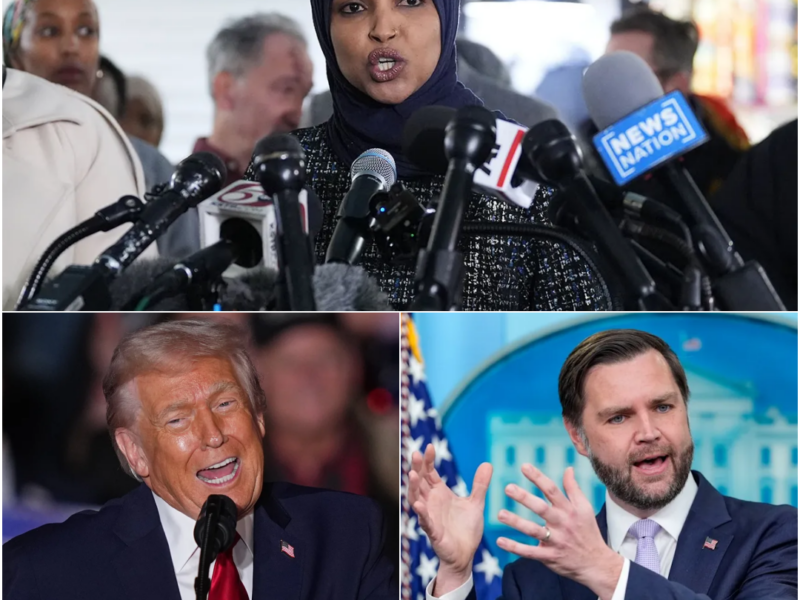
Ilhan Omar Responds to Fraud Allegations, Calls Claims “Flat-Out False” as Donald Trump Administration Pushes Back in Escalating Dispute
Ilhan Omar Responds to Fraud Allegations, Calls Claims “Flat-Out False” as Donald Trump Administration Pushes Back in Escalating Dispute
Inside the Minnesota Feeding Program Controversy: Rep. Ilhan Omar, Federal Waivers, and a $250 Million Fraud Scandal Under Scrutiny
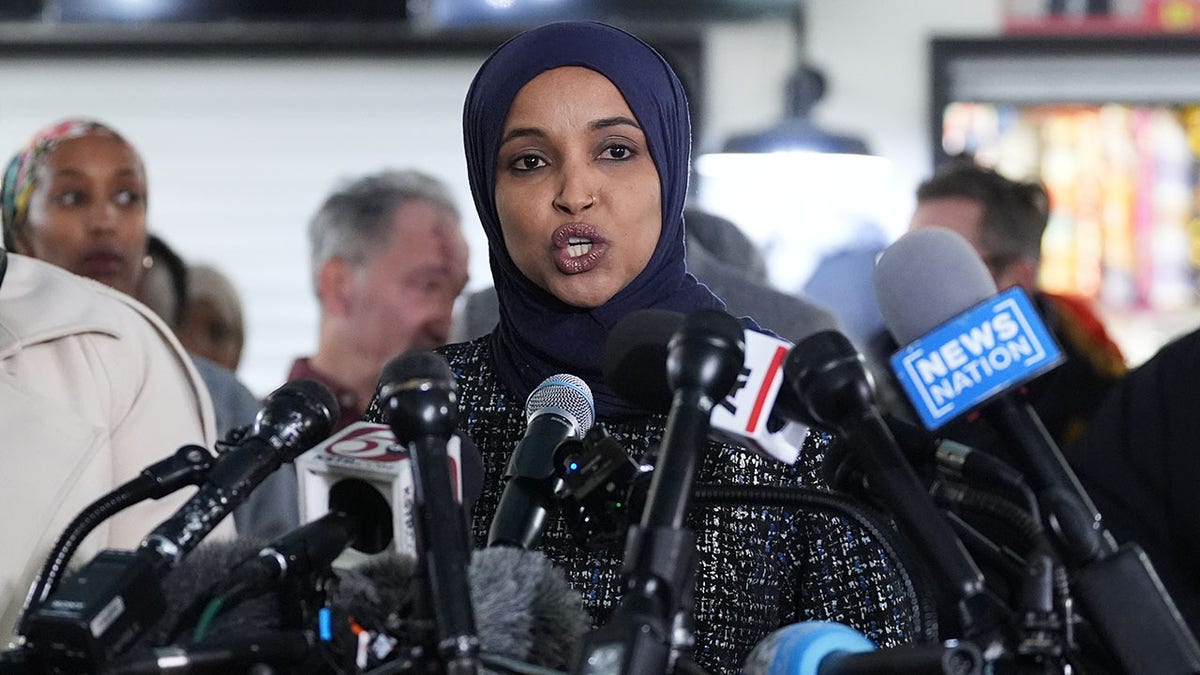
A widening political and legal controversy in Minnesota has drawn national attention, pulling together threads of pandemic-era federal policy, state oversight failures, and partisan disputes over responsibility for one of the largest alleged COVID-era fraud schemes in the United States.
At the center of the debate is Ilhan Omar, who has recently pushed back against renewed allegations suggesting a connection to the Feeding Our Future fraud scandal. The case, which has already led to multiple convictions, centers on accusations that individuals exploited pandemic-era nutrition program waivers to falsely claim hundreds of millions of dollars in federal reimbursements intended to feed children.
Omar’s critics, including Republican lawmakers in Minnesota and congressional oversight voices, argue that policy decisions she supported contributed to weakened safeguards in the program. Omar, in turn, denies any wrongdoing or knowledge of the fraudulent activity and has placed responsibility on federal and state administrative decisions during the Trump administration and beyond.
The dispute has now expanded beyond a state-level fraud case into a broader political fight over pandemic governance, regulatory authority, and accountability across multiple layers of government.
A Scandal That Began With Pandemic Emergency Rules
The Feeding Our Future case emerged from the federal child nutrition program expansion during the COVID-19 pandemic, when emergency waivers allowed nonprofit and private operators to distribute meals outside traditional school settings. The goal was straightforward: ensure children still received meals while schools were closed.
However, prosecutors later alleged that some operators exploited these relaxed rules by creating fake meal sites, inflating attendance numbers, and submitting fraudulent reimbursement claims. Federal investigators have described the scheme as one of the largest pandemic-related fraud operations in the country, with losses estimated in the hundreds of millions of dollars.
At the center of the allegations is Feeding Our Future, a Minnesota-based nonprofit accused of orchestrating or facilitating fraudulent claims through a network of affiliated meal sites.
While dozens of individuals have been charged or convicted, the broader policy debate has focused on whether loosened federal regulations made such fraud easier to execute—and whether state and federal agencies failed to detect warning signs early enough.
Omar’s Role: Legislative Support and Political Scrutiny
Critics have pointed to legislative actions associated with Ilhan Omar during the pandemic as part of the policy backdrop that enabled expanded flexibility in meal distribution programs.
A key focal point is the MEALS Act, which was incorporated into broader pandemic relief legislation and expanded flexibility in how meals could be distributed and reimbursed. Supporters argue the policy was designed to ensure rapid food access during an unprecedented crisis. Critics argue it reduced oversight mechanisms, especially by allowing greater participation from nontraditional providers, including restaurants and community organizations.
Republican lawmakers in Minnesota, including state officials involved in oversight investigations, have argued that these flexibilities created opportunities for abuse. They claim the loosened structure made it difficult to verify whether meals were actually being served as reported.
Omar has rejected those claims, stating that she had no involvement in fraudulent activity and was not aware of the scheme as it unfolded.
In a written statement to Fox News Digital, she described allegations of knowledge or participation as “flat-out false,” emphasizing that her legislative intent was to prevent child hunger during the pandemic.
The Financial Disclosure Dispute Adds Fuel
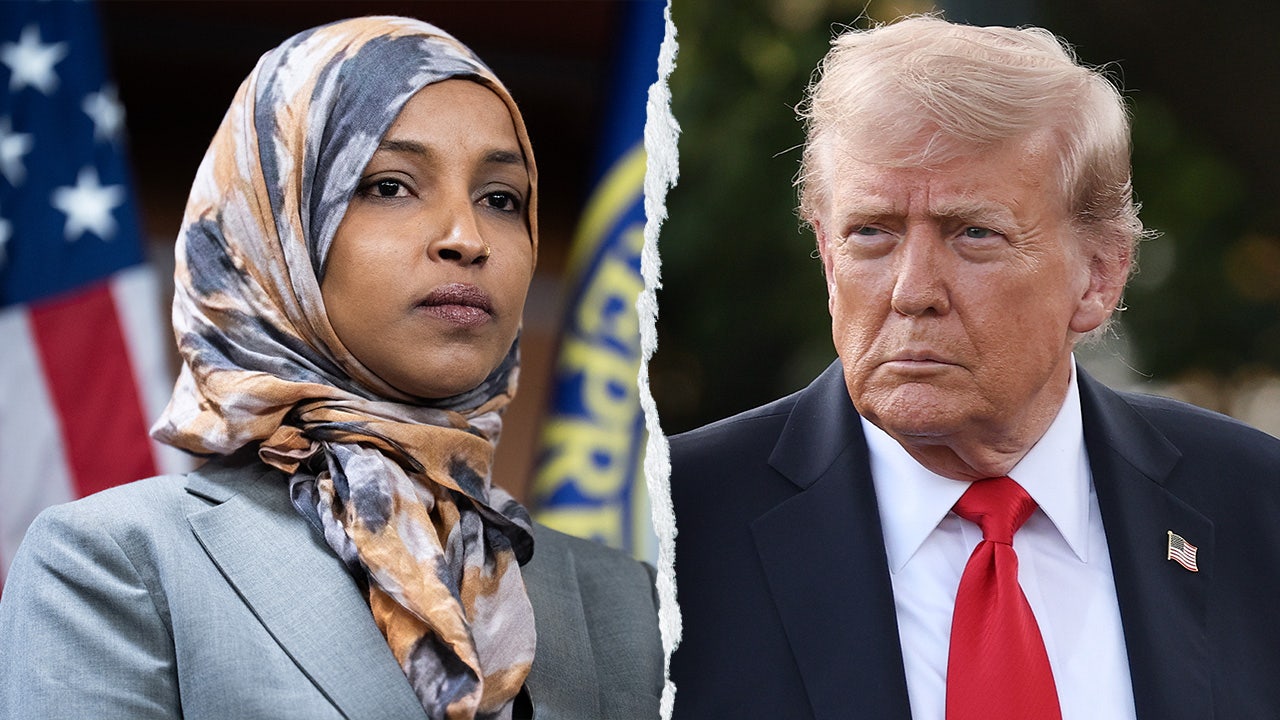
Complicating the political environment is a separate controversy involving Omar’s financial disclosures. Recent reporting and political scrutiny have focused on revised filings that significantly reduced the reported net worth of her household from earlier estimates of tens of millions of dollars to less than $100,000.
Her office has attributed the discrepancy to accounting errors made by a third-party preparer, not to any intentional misrepresentation. Nonetheless, the revision has prompted calls for further review by ethics investigators.
The House Ethics Committee is now reviewing aspects of her financial disclosures, though such processes are typically confidential and can take months or longer to resolve.
For critics, the timing of the disclosure revision—occurring alongside renewed scrutiny of the Feeding Our Future scandal—has raised questions about transparency. For supporters, it represents a separate administrative issue being politically bundled with unrelated allegations.
State-Level Investigations and Subpoena Disputes
In Minnesota, the state House Fraud Prevention and State Agency Oversight Committee has played a central role in examining how the fraud scheme was able to operate at scale.
Committee leadership, including state Rep. Kristin Robbins, has publicly criticized what she describes as insufficient oversight by state agencies during the pandemic. The committee has also questioned whether federal policy changes contributed to the vulnerability of the system.
Robbins and other Republican members have specifically raised questions about whether Ilhan Omar had any direct or indirect interactions with individuals later implicated in the fraud, including community organizations and restaurant operators involved in the meal distribution network.
The committee reportedly invited Omar to testify, but she did not appear, prompting discussions about a potential subpoena. That effort was ultimately blocked by Democratic members of the committee, escalating partisan tensions over the scope of the investigation.
Robbins has argued that congressional intervention may be necessary to obtain documents and testimony, particularly regarding communications between federal offices, state agencies, and program participants.
The Trump Administration’s Role and Regulatory Framework
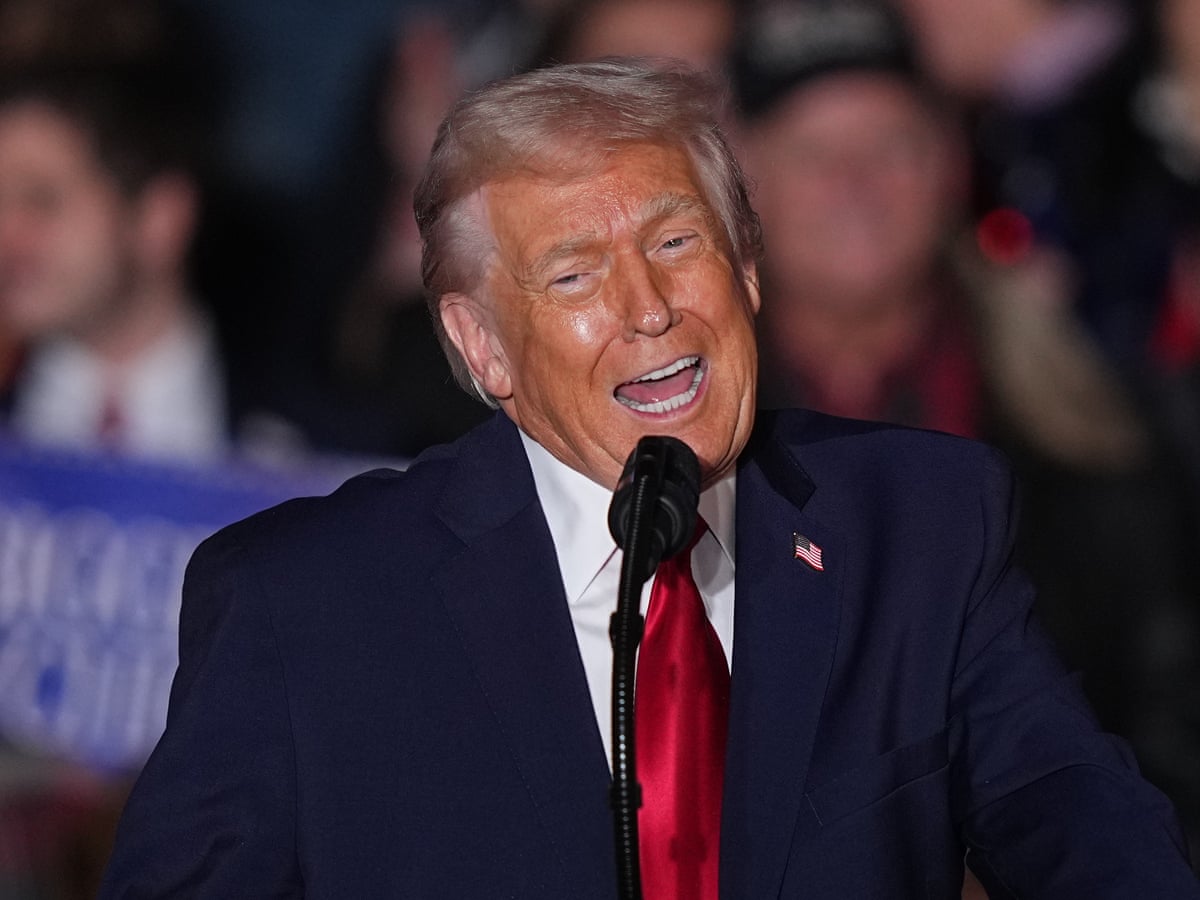
The controversy has also drawn in federal agencies and former Trump administration officials, particularly regarding the regulatory structure of the child nutrition waivers.
Omar has argued that responsibility for the program’s design and implementation spans multiple administrations. She has pointed to the fact that key federal guidelines were established under the Trump administration’s United States Department of Agriculture, which issued waivers allowing states greater flexibility in distributing meals during COVID-19 disruptions.
According to Omar’s statement, these regulatory frameworks were not created or controlled by individual members of Congress alone, but were implemented through executive agencies responding to emergency conditions.
USDA officials, however, have pushed back against attempts to assign blame solely to federal rules. In statements to media outlets, agency representatives emphasized that states retained responsibility for monitoring fraud and ensuring compliance. They noted that regulatory flexibility did not eliminate the obligation of state administrators to investigate suspicious activity.
This tension reflects a broader post-pandemic policy debate: whether emergency federal waivers were appropriately designed to balance urgency and oversight, or whether they unintentionally created conditions ripe for exploitation.
Allegations, Counterclaims, and Political Narratives
At the heart of the dispute are competing narratives.
Critics of Ilhan Omar argue:
That legislative and policy support for expanded waiver programs reduced oversight safeguards
That early warning signs of fraud were ignored or insufficiently acted upon
That communications and public advocacy may have inadvertently supported organizations later implicated in fraud
That political leaders should take responsibility for systemic vulnerabilities
Omar and her defenders argue:
That she had no knowledge of fraudulent activity
That the program’s intent was to feed children during an emergency
That administrative responsibility for oversight rested primarily with state agencies and federal regulators
That fraud investigations should not be retroactively used to reframe emergency policy decisions as intentional negligence
The dispute is further intensified by the fact that multiple actors—state agencies, nonprofit operators, federal regulators, and contractors—were involved in the program’s implementation. This diffusion of responsibility has made it difficult to assign clear accountability.
The Feeding Our Future Convictions and Ongoing Legal Fallout
Federal prosecutors have already secured convictions in multiple cases related to the Feeding Our Future scheme. According to court filings and public reporting, defendants allegedly created fake meal sites, submitted inflated claims, and used shell organizations to divert funds intended for child nutrition programs.
Investigators have characterized the fraud as systematic rather than isolated, involving coordinated efforts across multiple locations and entities.
While the legal process has focused on individuals directly involved in the fraudulent claims, the political conversation has broadened into institutional accountability—particularly how such a large-scale scheme went undetected for an extended period.
That question has fueled criticism of both state-level oversight mechanisms and federal monitoring systems.
Political Fallout in Minnesota and Washington
The controversy has created ripple effects across both state and national politics.
In Minnesota, Republican lawmakers have used the scandal to criticize the administration of Governor Tim Walz, arguing that state agencies failed to respond adequately to early warning signs. A recent committee report described what it called a “culture of tolerance” for fraud within certain state programs, a characterization disputed by state officials.
At the federal level, the issue has become part of broader partisan debates over pandemic-era spending, regulatory oversight, and social program accountability.
For some Republican lawmakers, the scandal represents evidence of systemic weaknesses in expanded social programs during COVID-19. For Democrats, it underscores the difficulty of managing emergency aid programs at unprecedented scale while balancing accessibility and oversight.
Public Trust and Policy Implications
Beyond the political debate, the Feeding Our Future case has raised broader questions about public trust in government programs.
Child nutrition programs are among the most widely supported federal initiatives, designed to ensure food security for vulnerable populations. Allegations of large-scale fraud risk undermining confidence in those systems, potentially leading to calls for stricter controls that could also make access more difficult for legitimate beneficiaries.
Policy analysts note that the core challenge is structural: designing emergency systems that are both flexible enough to respond quickly and secure enough to prevent abuse.
The pandemic exposed weaknesses in that balance, particularly when rapid expansion of programs outpaced oversight capacity.
Conclusion: A Case That Reflects a Larger Governance Problem
The controversy surrounding Ilhan Omar and the Feeding Our Future scandal is not solely about one politician or one legislative decision. Instead, it reflects a broader governance challenge that emerged during the COVID-19 pandemic: how to distribute vast public resources quickly without creating opportunities for exploitation.
The ongoing investigations—both criminal and political—are still unfolding, and many questions remain unresolved. What is clear, however, is that the scandal has become a flashpoint for deeper disagreements over federal authority, state responsibility, and the limits of emergency policymaking.
As oversight committees continue their inquiries and legal cases proceed through the courts, the Feeding Our Future scandal is likely to remain a central example in debates over pandemic-era governance for years to come.