How Much Were WW2 Soldiers Paid? Sb
Ever wondered how much your ancestors were paid to fight in World War II? In this program, we will look at five Allied and Axis nations and determine the pay of a private soldier in 1945, the lowest rank in any army of the period. We will arrange them from lowest to highest pay and work out what their 1945 pay was equivalent to in 2026.
For ease of reference, all 2026 figures are given in US dollars. The lowest paid World War II soldier at position number five was the Japanese soldier. An Imperial Japanese Army private in 1945 was paid only six yen per month, or $1.38, the equivalent in 2026 of $16.56. For all the examples I give in this program, we have to consider certain factors.
All armies provided free accommodation and food to their soldiers for obvious reasons. So, the actual wage of the soldier was the money he could send to his family or spend on entertainment, cigarettes, toiletries, civilian clothing, and so on. However, in the case of the Japanese soldier, rapid wartime inflation drastically reduced the purchasing power of this military wage.
And as with all armies, promotion offered greater pay. Japanese soldiers serving abroad were not paid in yen, but in Japanese invasion money, as it was called, an unsupported currency. This afforded the Japanese troops high purchasing power locally, such as in Japanese-occupied China, Malaya, Hong Kong, Borneo, and so on.
But at war’s end, the Japanese Ministry of Finance canceled all military banknotes, leaving soldiers holding completely worthless money. Japanese soldiers were also accorded some ration allowances, a daily cash allowance of a few cents used to supplement their military rations of rice and barley. So, how much did a Japanese private in 1945 actually earn per year in today’s 2026 prices? $306.09.
At position number four is the Soviet soldier. Basic pay for a standard Soviet conscript, if he was a frontline soldier, was about 600 rubles a year. Because it was often very difficult to directly pay Red Army soldiers in battle situations, often their entire pay was sent instead to their relatives.
State allowances for soldiers included bread, meat, and fish, vegetables, and 20 g of tobacco per day, and three boxes of matches a month. And that’s about it. So, the Red Army private of 1945 was paid, in today’s money, only $2,100 per year. At position number three, we have, perhaps somewhat incredibly, the British soldier.
The British soldier was notoriously poorly paid. The basic daily pay of a British private in 1945 was two shillings, amounting at the time to roughly £3 per month, or $12. Men called up to serve in the armed forces faced financial losses for the most part. For example, an ordinary private would earn £3 a month in the army, whereas the average national industrial wage was £8 per month in 1945.
If the soldier was married, a significant chunk of his pay was automatically deducted and sent to his wife along with a government marriage allowance to ensure his family could survive while he was serving. A family allowance act also came into force in 1945 paying 5 shillings a week for the second and subsequent children.
Soldiers were also given a daily tobacco allowance of 8 g or between 7 and 8 cigarettes a day. Despite state assistance, many families with the head of the household serving in the war lived on or below the poverty line and food rationing was the only thing really stopping serious malnutrition amongst the poorest families.
The reason why British soldiers were so poorly paid was to do with tradition to some degree, but also financial realities. Britain was effectively bankrupt from about 1941 onwards having handed over its entire gold reserves to the United States to try and pay for the war and thereafter existed on loans from the US and Britain would not stop paying them back with interest until 2006.
For more information on the gold issue, see my video about British gold at Fort Knox today. Link in the end screen. So, how much was a British private in 1945 actually earning per year? A measly $2,664 not including allowances. At position number two, we have the German soldier who in comparison to his British enemy was actually much better paid.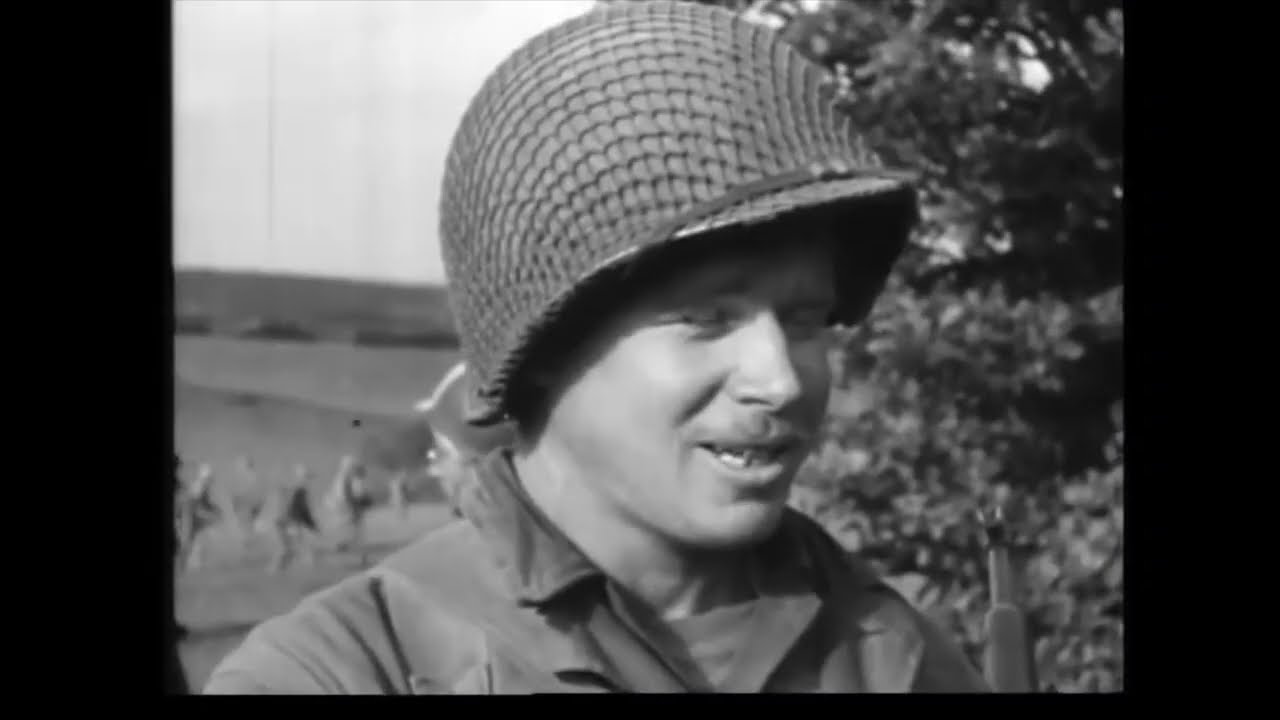
A German private in 1945 was paid a basic salary of roughly 35 Reichsmarks per month, equivalent of $14 per month at 1945 rates, compared with only $12 for the British Tommy. As in the British Army, married soldiers or those with children received significant living allowances from the state that in the German case effectively doubled their pay.
Soldiers, their wives and children were also entitled to free medical treatment from army doctors. So, how much was a German private earning in 1945? The equivalent today of $3,108. The best-paid Axis or Allied soldier in World War II was the American GI. In Britain during World War II, a common saying about the Americans was overpaid, oversexed, and over here.
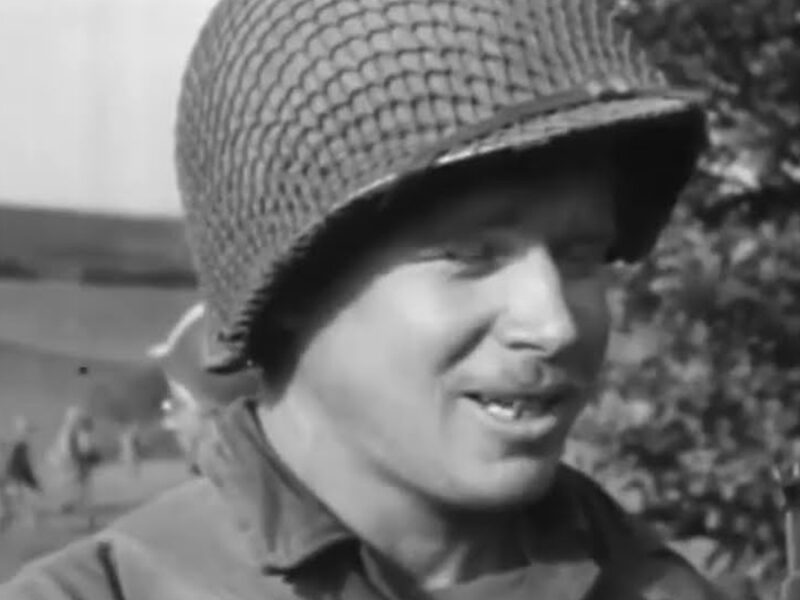
Certainly, the first part of that saying was very true. A US private in 1945 was paid a whopping $50 per month or $600 a year, meaning that the GI was paid just over four times as much as a British soldier and three times a German one. American soldiers’ purchasing power was huge and with millions of them stationed in Britain before D-Day, they were able to spend freely and help boost the British economy, which they did.
As with the British and German armies, the US operated a family allowance system where a portion of the $50 monthly salary, usually $22, was sent direct to wives, children, or dependent parents back in the states. A US soldier serving overseas automatically received a 20% increase in base pay.
And a paratrooper received an additional $50 a month hazard pay. So, a US private in 1945 serving in Europe or the Pacific and $720 a year in 1945 prices, the equivalent today of $13,320. Thanks for watching. Please subscribe and share and also visit my audiobook channel, War Stories with Mark Felton. You can also help to support both of my channels at PayPal and Patreon.
Details in the description box below.