The Camera Showed the Pepsi Fire. It Did Not Show What Happened After. D
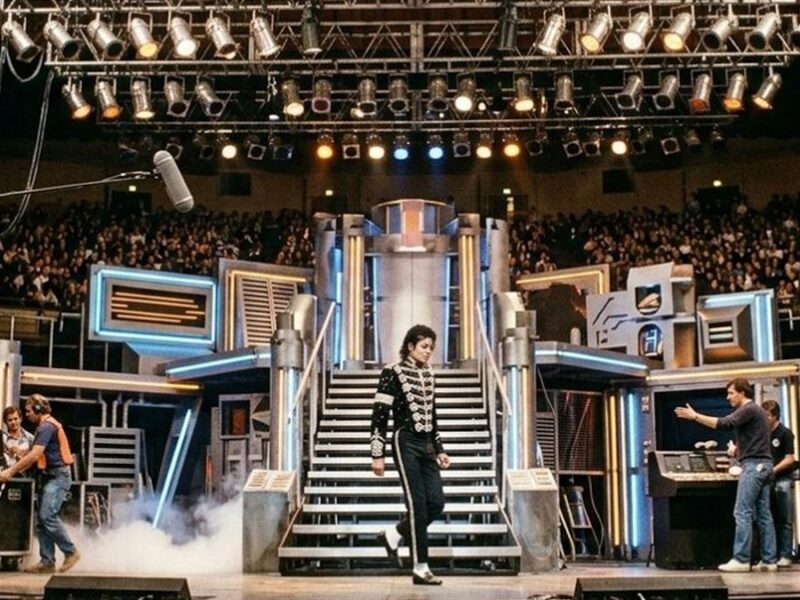
January 27th, 1984. The Shrine Auditorium in Los Angeles. A Pepsi commercial was being filmed on a stage that had been dressed to look like a concert. Pyrochnics built into the set. A live audience of about 3,000 people who had been invited to watch the filming. A full production crew. Michael Jackson was 25 years old.
Thriller was the bestselling album in history. The Pepsi deal, a $5 million endorsement contract, the largest celebrity endorsement deal in commercial history at that point, had been announced months earlier. The sixth take of the commercial began. The production had been running through the sequence multiple times.
Michael Jackson was to walk down a staircase while pyrochnics fired around him. a visual designed to match the scale of the stage show that was at the center of the thriller commercials concept. The pyrochnics had worked correctly on the previous five takes. On the sixth, a spark from the overhead effects caught the back of his hair while he was still near the pyrochnic equipment.
The cameras were rolling. The footage exists. Michael Jackson kept walking for approximately 10 seconds, unaware that his hair was burning before the fire was visible to the crew members nearest him and they moved to extinguish it. In those 10 seconds, something happened that the cameras could record but could not fully show.
And the part that could not be fully shown is the part that matters. The fire lasted approximately 10 seconds before anyone reached Michael Jackson. In those 10 seconds, the back of his hair burned with sufficient intensity to cause second and thirdderee burns to his scalp. He continued walking through the sequence without slowing or stopping, which is the part of the footage that is most difficult to watch in retrospect.
the 10 seconds of normal movement that preceded the intervention, the performance continuing while the performer was being harmed. When the crew reached him, when the fire was extinguished, when the production stopped and the reality of what had just happened became clear, the audience of 3,000 people who had been watching the filming absorbed what they were seeing in the specific way that crowds absorb sudden emergencies.
A moment of collective uncertainty, then an understanding that what they had just watched was not part of the commercial. Michael Jackson was helped off the stage. He was conscious and responsive. He was in pain. The cameras, the production cameras, the documentary cameras that were filming behind the scenes of the shoot, the cameras belonging to the audience members who had brought equipment had captured the incident.
The footage of the fire became in the days and weeks that followed one of the most watched pieces of video in the country. People saw the fire. People saw the crew reaching Michael. People saw the moment of intervention. What they did not see was what happened in the car on the way to the hospital and what happened in the hospital and what those hours produced in a man who had spent his entire life understanding physical performance as the primary language through which he expressed himself.
The Pepsi endorsement deal was significant not only because of its size. It was significant because of what Pepsi was using Michael Jackson for and what Michael Jackson understood about what the deal represented. By January of 1984, Thriller had been on the charts for 14 months.
The Thriller short film had been broadcast on MTV in December of 1983. The Grammy nominations had been announced. The album was in the process of becoming the bestselling record in the history of the music industry. Michael Jackson was at this specific moment the most commercially visible individual in American popular culture. Pepsi was not simply buying a celebrity endorsement.
It was buying an association with the specific cultural moment that Michael Jackson represented. the largest, most undeniable convergence of talent and commercial success and cultural presence that American popular music had produced in decades. The $5 million was the industry’s way of putting a number on what that association was worth.
Michael Jackson understood this. He understood the specific dynamic of what he represented to Pepsi and what Pepsi represented to him. A formal acknowledgment in the language of commercial value of the level at which his career was now operating. He had negotiated conditions into the deal.
Pepsi could not use his image without his approval. The commercial would follow aesthetic guidelines he had approved. and certain specific conditions around the production were in place. The pyrochnics were part of the approved production design. They had been tested. The production crew was professional. Everything that could be controlled had been controlled in the weeks following the Pepsi fire.
The public image of what had happened was managed carefully. Pepsi donated $1.5 million from the commercial deal to the Brotman Medical Center burn unit, which was where Michael had been treated. The commercial was eventually completed and aired. The public narrative that developed around the incident emphasized the physical recovery and the professional continuation, the story of someone who had experienced an accident and had returned to work.
What the public narrative did not address was what the event had changed internally. Changes of that kind are not visible in press releases or commercial completions or tour announcements. They are visible, if they are visible at all, in a very different kind of evidence, in the way someone talks about what happened, in the things they stop talking about, in the behavior patterns that develop over years and that only become legible in retrospect.
Michael Jackson’s Victory Tour, which ran from the summer through the fall of 1984, was by all external measures a success. The shows sold out. The performances were what audiences had come to expect from Michael Jackson at the peak of his commercial career. He was on stage. He was dancing.
He was present in the specific way that his presence had always been present. People who were close to him in this period described something more complicated than the public image suggested. They described someone who was in more pain than he showed, who was managing that pain in the way that the medical treatment of his injuries had introduced him to managing it, and who was simultaneously carrying the specific weight of having been very publicly hurt, of having been in a situation where the performance continued while the performer was being harmed, and where the cameras caught it, and where the footage was available. for anyone to watch. The specific nature of the burns Michael Jackson sustained on January 27th, 1984 was significant. The scalp burns were second and third degree in the affected area, painful in
the acute sense, but also requiring treatment that in 1984 involved a specific category of medical intervention that had its own consequences. He was taken to the hospital. He was treated. He was given medication for the pain. The medication that was prescribed for the treatment of his burns was the beginning of something.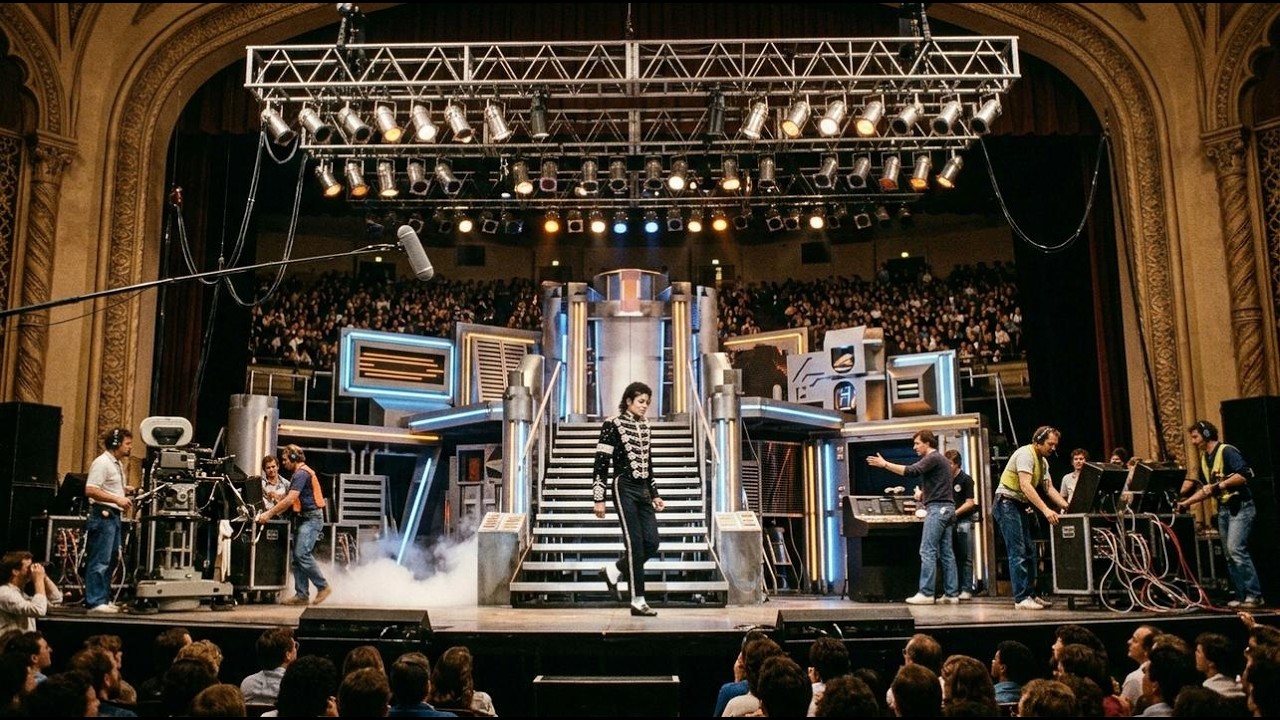
It was not the end of something, though in the way that beginnings and endings work in a person’s life. The beginning was only visible as such from a much later vantage point. in January of 1984. It was simply the treatment that his injuries required. What is known from accounts that emerged in the years since is that the experience of the fire and its immediate aftermath altered something in Michael Jackson’s relationship to physical pain and to the medical management of it.
He had spent his entire professional life in a discipline, dance, that required the body to perform at levels that produced regular pain. And he had developed over the years a relationship to that pain that was largely managed through will and through the specific training that allows a person to understand the difference between pain that must be stopped and pain that can be worked through.
The fire was different. The burns were different. What the hospital administered was different from anything that practice and will could provide. He went home. The commercial would eventually be completed. The victory tour would follow in the summer of 1984 and the world would see what it expected to see.
Michael Jackson on stage performing at the level that Thriller had established as the baseline expectation. The months that followed the Pepsi Fire were months in which Michael Jackson continued to perform at the highest level his career had reached. The Victory Tour was a major production. The performances were what the audiences expected.
The commercial machine around him, the record label, the management, the endorsement deals, the press continued to function at the scale that Thriller had set. What the machines could not manage and what no machine can manage was what the fire had introduced into his body and his experience of his body.
The specific medical trajectory that began on January 27th, 1984, the burns, the treatment, the medication, the relationship to pain management that the treatment established is part of the larger story of the next 25 years of Michael Jackson’s life. It is not a story that can be reduced to a single cause and a single effect.
It is not a simple story, but the beginning of that story is in the footage of the Pepsi commercial shoot. In the 10 seconds that the cameras recorded, in the specific moment when the performance continued while the performer was being harmed. What the camera showed was the fire. What the camera did not show was the weight of what came after.
The weight that settled on a man who had been in the public eye since he was 9 years old, and who now had added to everything else the specific experience of having been hurt in a way that was visible to millions of people, and that he had no language for in the context of his public self.
There is a specific quality to the Pepsi Fire story that makes it important in the larger context of Michael Jackson’s life and career. a quality that is not about the incident itself, but about what the incident represents as a moment of transition. Michael Jackson had spent the first 25 years of his life in a professional context that was by its nature physically demanding and largely public.
Everything he did from the time he was 9 years old had been done in front of people, in front of cameras, in front of audiences, in front of the specific machinery of the entertainment industry that documented and displayed and distributed what he did. His privacy was not something he had ever fully possessed.
The specific boundary between who he was as a performer and who he was as a person had always been for Michael Jackson more permeable than it was for people who had not grown up in public the way he had. The Pepsi fire put that permeability into relief in a new way. The cameras had been present for the accident. The footage of the fire, the specific intimate footage of a person being harmed, continuing to move, unaware of what was happening to them, was not a performance.
It was not something Michael Jackson had chosen to show. It was something that had happened to him while the cameras were running, and the cameras had captured it. And there was no version of the story in which the footage did not exist. He had been visible in a way that he had not chosen.
The cameras had shown something he had not meant to show. That was a new kind of experience for someone who had been managing his public image since he was a child. The Pepsi commercial was completed and aired. It was a success commercially and in terms of the association it created between Michael Jackson and the Pepsi brand.
The $5 million deal produced what Pepsi had paid for. An image of Michael Jackson at the peak of his cultural power associated with their product broadcast to the audiences that Thriller had built. What it also produced, the thing it produced without intending to, was the footage of the fire. The footage has been available since January of 1984, and the experience of watching it now in the years since carries a different quality than it carried at the time.
At the time, it was news. A dramatic incident involving the most famous person in the world captured on camera, resolved without permanent visible physical injury, followed within months by a major tour that confirmed the performer’s continued presence. Now, it looks like a beginning. It looks like the start of something that moved very slowly and was not visible as it moved.
Michael Jackson performed for another 25 years after January 27th, 1984. He made Bad and Dangerous and History. He performed in venues around the world. He continued to dance, continued to create, continued to be the specific and unre repeatable presence that he had been building since he was 9 years old.
He also carried from that night forward the specific weight of what the fire had introduced into his body and his experience of being a body that performed. That weight was not visible in the performances. It was not meant to be visible. It was the part that existed behind the part the cameras could show.
The camera showed the fire. It could not show what the fire left behind.