Mackenzie Shirilla Case Takes Dramatic Turn as Explosive New Claims Spark Fresh Debate and Public Attention
Mackenzie Shirilla Case Takes Dramatic Turn as Explosive New Claims Spark Fresh Debate and Public Attention
The Mackenzie Shirilla Case: A Shadow Over Ohio and the Unraveling of a Dark Secret
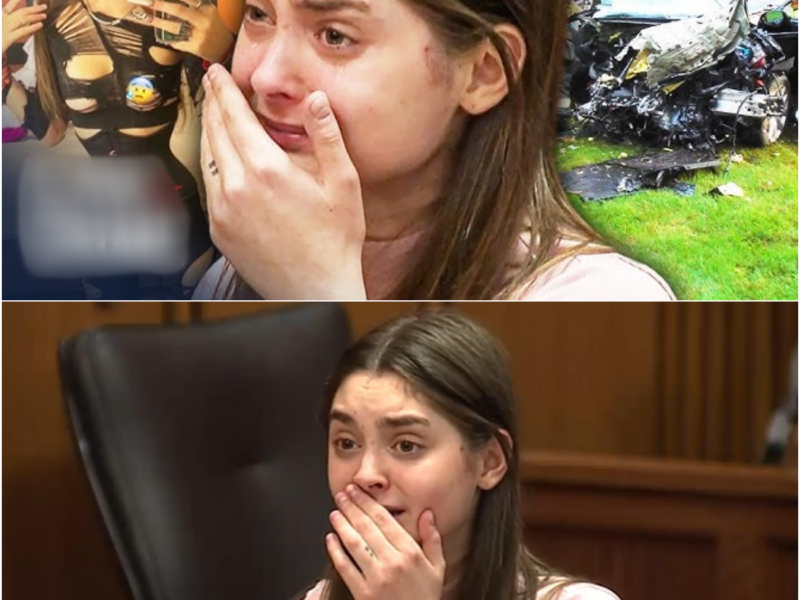
The morning of July 31, 2022, began in the quiet stillness of Strongsville, Ohio, but that silence was shattered by a mechanical roar and a sickening, violent impact that would rewrite the lives of multiple families forever. At nearly 100 miles per hour, a Toyota Camry slammed into the side of a brick building with such explosive force that the vehicle was essentially ripped in two. The scene that greeted first responders was beyond comprehension: debris scattered across a 70-foot radius, a piece of the car lodged on the building’s roof, and two young men, 20-year-old Dominic Russo and 19-year-old Davian Flanigan, dead upon arrival.
But in the driver’s seat, miraculously clinging to life, was 17-year-old Mackenzie Shirilla.
What followed was not just a tragic accident, but a legal saga that has culminated in a number-one documentary on Netflix and a firestorm of public outrage. As the investigation deepened, authorities uncovered a chilling reality: this was not a loss of control, but an intentional act of destruction. Investigators pointed to a history of volatile threats, a “dry run” performed days prior, and a total lack of braking before the final, fatal impact.
Today, the case has exploded anew. With the release of the documentary The Crash, the public is peering behind the curtain of a life once characterized by social media glitz, now defined by the stark reality of prison walls. From the suspension of her father’s job to leaked jailhouse phone calls and chilling allegations from fellow inmates, the narrative surrounding Shirilla is shifting from a debate about a “tragic accident” to a harrowing examination of premeditation, unchecked privilege, and the haunting question of whether justice has truly been served.
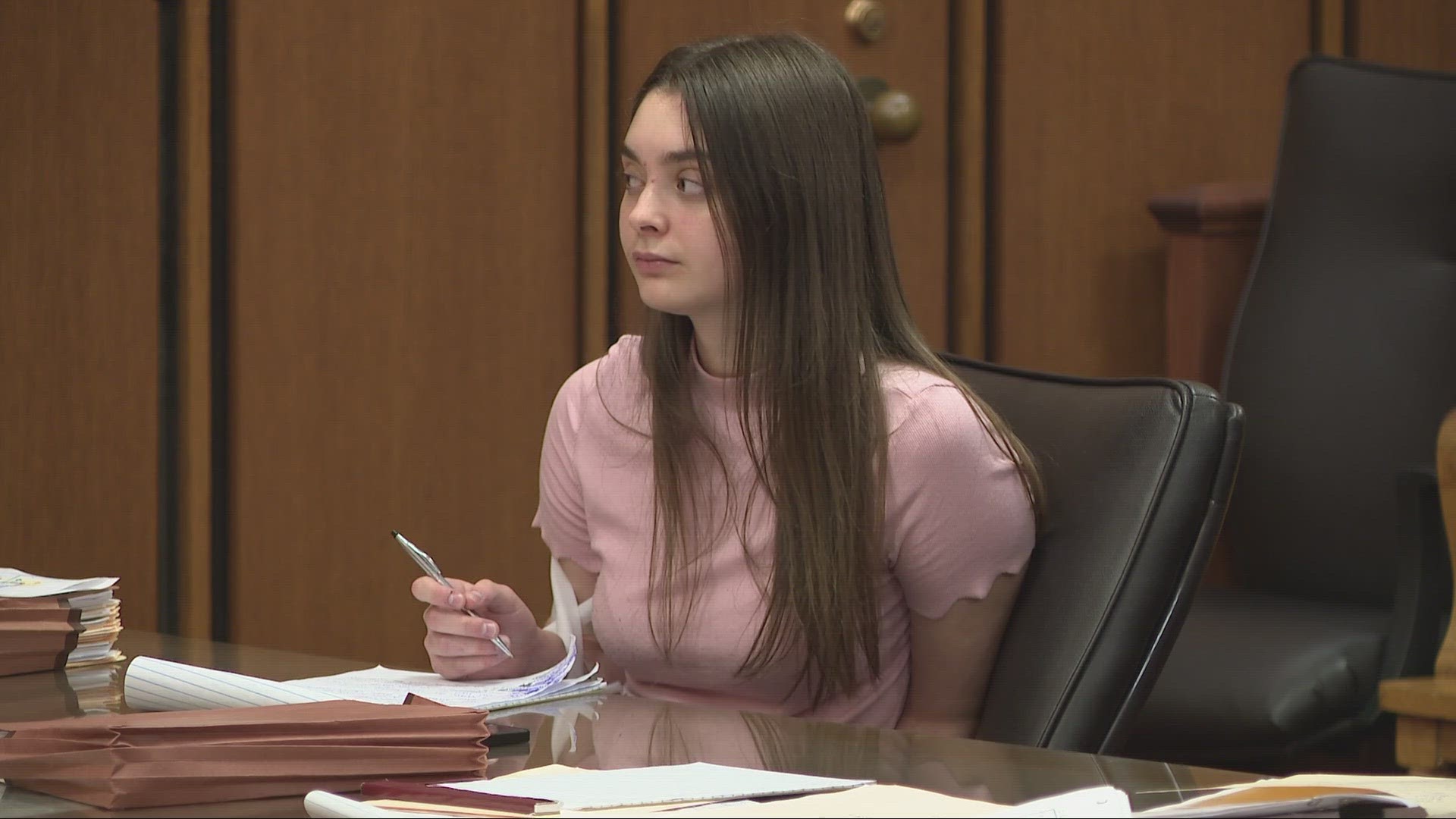
The Anatomy of an Alleged “Hell on Wheels”
The prosecution’s case against Mackenzie Shirilla was built on a foundation of damning evidence. The speed, the lack of braking, and the chilling context of her relationship with Dominic Russo formed a portrait of calculated malice. Before the tragedy, recorded conversations surfaced in which Shirilla allegedly threatened Russo, stating, “This is your last chance to open the door or you are not coming out of this house all night.” These were not the words of a casual argument; to the court, they were the precursors to a calculated finale.
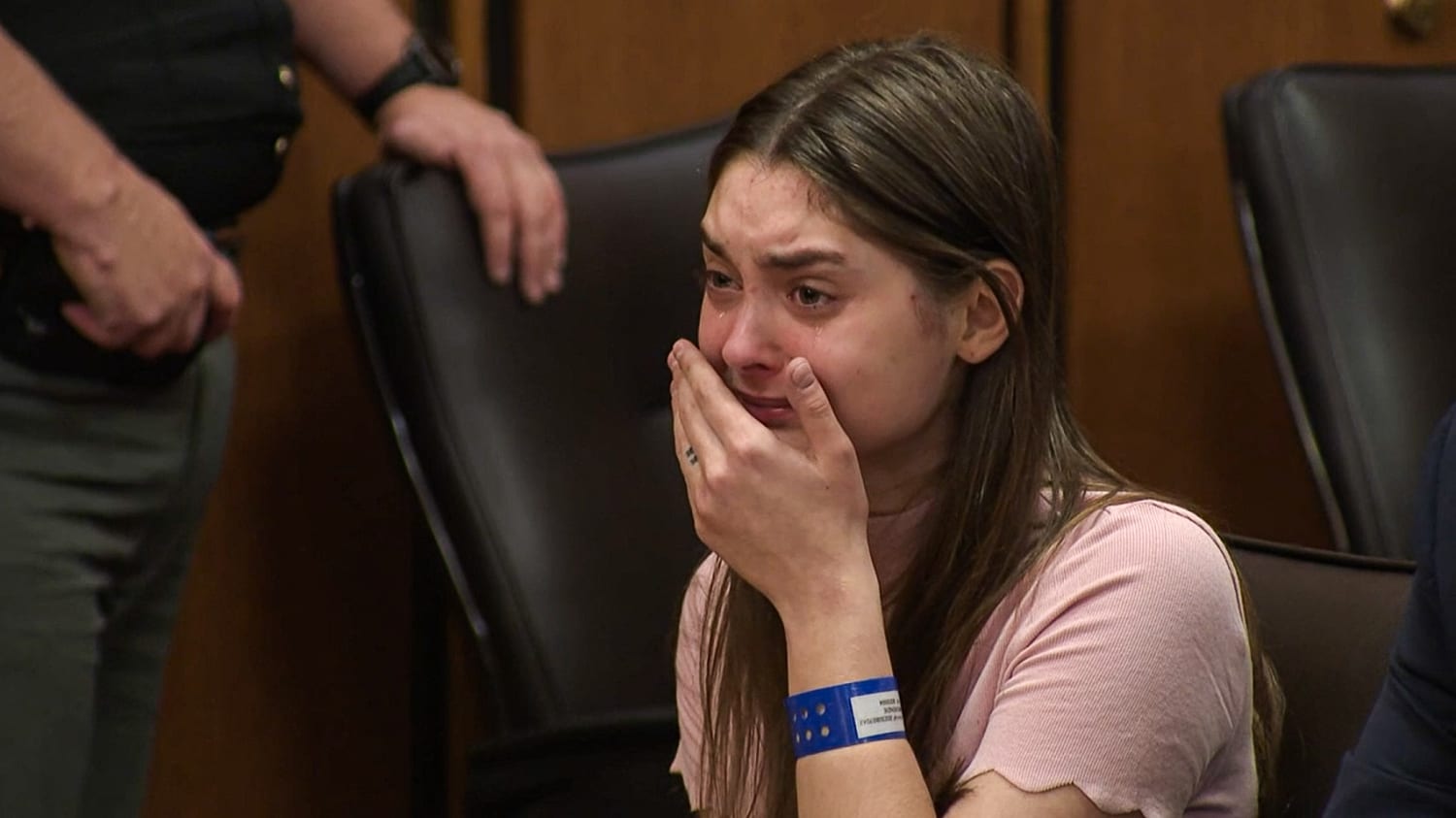
Despite the mounting evidence, the defense held firm, proposing that Shirilla suffered a medical episode—specifically POTS (Postural Orthostatic Tachycardia Syndrome)—which caused her to black out. Yet, the judiciary, sitting as the trier of fact in a bench trial, rejected this narrative. Judge Nancy Margaret insisted on a conviction that labeled Shirilla’s actions as murder, aggravated vehicular homicide, and felonious assault. The sentence was swift and uncompromising: two life terms with the possibility of parole after 15 years.
A Documentary That Ignited a Powder Keg
The Netflix documentary The Crash was intended to be an exploration of the facts, but instead, it became a catalyst for deeper public scrutiny. Shirilla, appearing on camera from behind bars, maintained that she had “no memory” of the crash, claiming that the only thing that makes sense is the medical episode defense.

However, the documentary inadvertently revealed a darker side of the defendant. A pivotal moment, described by viewers and critics alike as a “mask slip,” showed Shirilla checking in with her attorney off-camera, asking if she was coming across as “crazy” or if she was “forcing” her remorse. This, combined with comments made by her parents—including a father who defended teen marijuana use despite the gravity of the charges—fueled a fresh wave of public backlash.
Her father, Steve Shirilla, who was employed at the Mary Queen of Peace School in Cleveland, found himself placed on administrative leave following the public outcry over his participation in the documentary. The Diocese cited “poor judgment,” reflecting a growing societal intolerance for the perceived lack of accountability radiating from the Shirilla family.
The Prison Reality: Myth vs. Observation
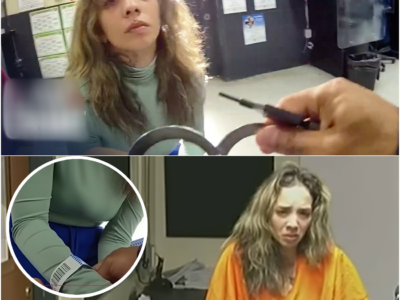
While the documentary portrayed a remorseful, broken young woman, other accounts painted a strikingly different picture. Cat Crowder, who spent time incarcerated in the same facility, provided a candid look at life behind bars for the now-convicted murderer. According to Crowder, Shirilla did not embody the “smug, tough girl” or the “remorseful prisoner” depicted in the film. Instead, she described a girl who obsessed over her appearance, altered her prison-issued clothing to be form-fitting, and engaged in behavior that suggested a desperate desire for the celebrity status her infamy had garnered.
Furthermore, leaked phone calls have exposed a frustration with the rehabilitative process. In one conversation with her mother, Shirilla remarked, “I don’t want to enjoy life there… that’s how jail is supposed to rehabilitate people, but I don’t need to be rehabilitated.” These comments, coupled with reports of her engaging in prison relationships and maintaining an active “support team” on social media that continues to proclaim her innocence, have left many in the public questioning the authenticity of her courtroom pleas.
:max_bytes(150000):strip_icc():focal(739x261:741x263)/Mackenzie-Shirilla-car-1-011325-3ac6053ade184583a60efc2d2ea3161f.jpg)
Future Scenarios: The Long Road to 2037
Looking toward the horizon, the legal avenues for Mackenzie Shirilla are rapidly closing. Her appeals have thus far been denied, and the judicial sentiment expressed during sentencing suggests that release—even in 15 years—is not a guarantee.
The social impact of this case is far-reaching. It has become a landmark example of how the legal system deals with “juvenile” offenders who commit heinous, adult-sized crimes. As the years progress, we may see a shifting standard in how courts view “medical episodes” in cases of high-speed vehicular violence. The “Shirilla Standard,” if such a thing evolves, may demand far more rigorous neurological testing before a defendant can successfully pivot to a claim of sudden, unexplained medical collapse.
Furthermore, the role of social media in the aftermath of violent crimes is highlighted here. The “Free Mackenzie” campaigns, orchestrated by family and online supporters, serve as a modern-day paradox. They generate noise, they gather followers, but they often ignore the underlying judicial finding of guilt. As we move closer to her first parole hearing in 2037, we must ask if the court of public opinion has any real power to alter the course of justice, or if it merely serves to distract from the tragic finality of what happened on that morning in July.
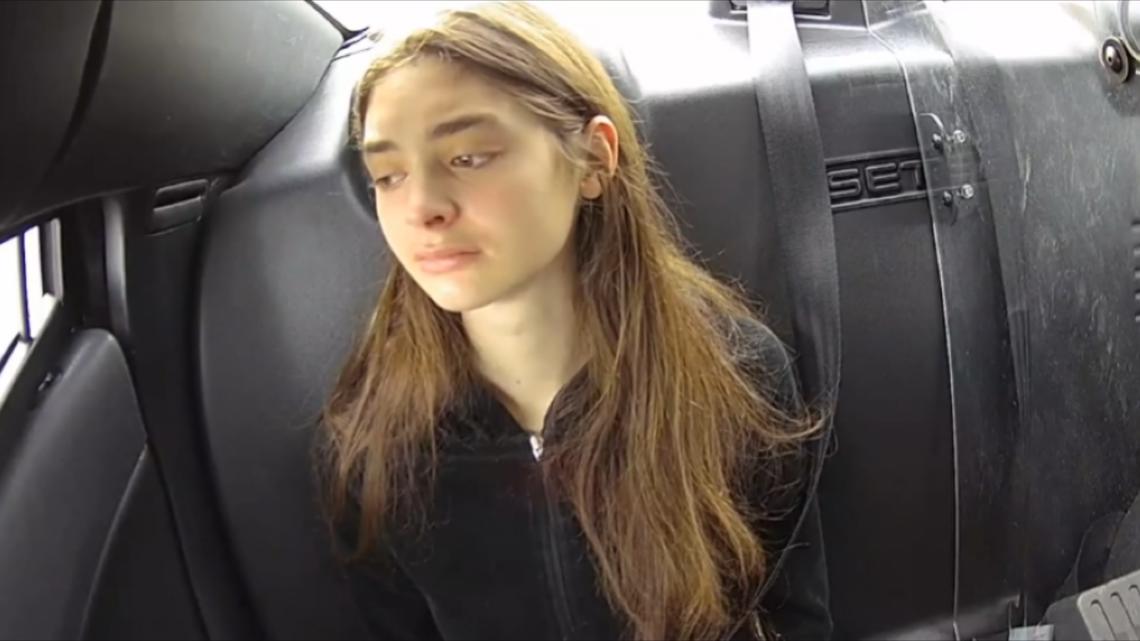
Ultimately, the Mackenzie Shirilla case remains an open wound in the community of Strongsville. It is a story that, despite the verdict, refuses to find peace. As new claims emerge and the public continues to dissect every frame of the documentary footage, one truth remains constant: the lives of Dominic Russo and Davian Flanigan were cut short, and the legacy of that morning is one of irreversible destruction.