The New “Trump Phone” Faces Brutal Mockery Online as Furious Reactions and Complaints Explode Across Social Media
The New “Trump Phone” Faces Brutal Mockery Online as Furious Reactions and Complaints Explode Across Social Media
The Digital Golden Goose: Why the Trump T1 Phone Has Sparked a National Firestorm

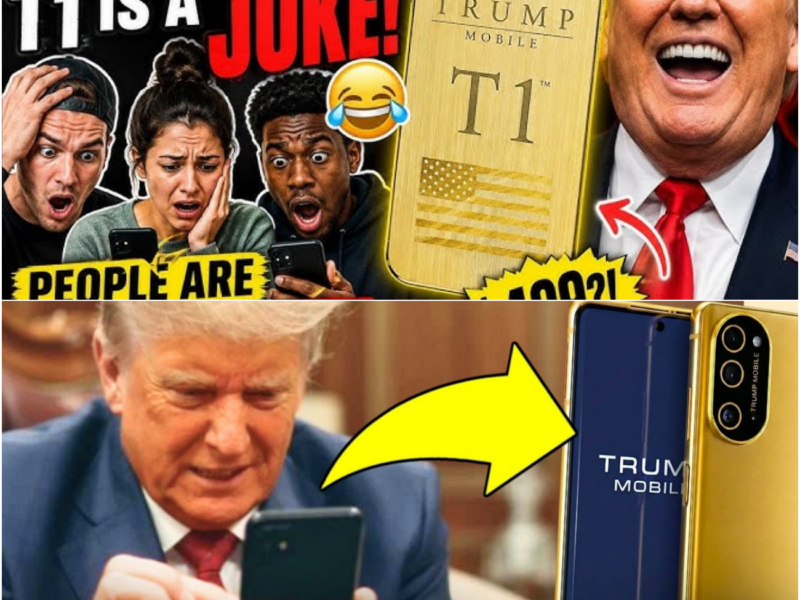
It was promised as the ultimate symbol of American technological sovereignty—a gold-plated, high-performance marvel of innovation that would finally decouple the patriotic consumer from the “globalist” grip of Apple and Samsung. But when the long-awaited “Trump Mobile T1” finally emerged from the shadows of its year-long delay, the reaction was not one of nationalistic pride, but of collective, jaw-dropping disbelief. For many, the unveiling of the device was less like a revolutionary tech launch and more like a scene from a tragicomedy, with critics and even early supporters asking a singular, stinging question: Is this it?
The saga of the T1 is a masterclass in modern political marketing colliding with the harsh realities of global manufacturing. After months of hype, millions in pre-order deposits, and grand proclamations about American-made excellence, the reality has proven to be a stark, and perhaps embarrassing, contrast. The gold-colored handset, once touted as a flagship of domestic manufacturing, has been unmasked by industry experts as a potentially rebranded, mid-range Android device—bearing striking similarities to models manufactured overseas—and even marred by a graphic design error on its most patriotic feature.
A Promise Built on Sand
The journey of the Trump Phone began in mid-2025 with the fervor of a crusade. It was branded as a cornerstone of an “America-first” lifestyle, a device that would embody “American values” and be “proudly built” in the United States. Fans lined up, eager to deposit $100 for a phone they were told would launch in August of that year. Then, silence. The date came and went. Then came the second delay, then the third, and a series of cryptic website redesigns that stripped away the “Made in the USA” promises, replacing them with vague jargon like “American-proud design” and “shaped by American innovation.”
When the devices finally began shipping in May 2026, the tech world did not find a bespoke engineering marvel. They found a phone that bears a suspicious resemblance to the HTC U24 Pro or the Wingtech-manufactured REVVL 7 Pro 5G. The patriotic American flag decal on the casing—meant to be the final flourish of branding—reportedly features only 11 stripes. For a product marketed on its intense, hyper-nationalist symbolism, the error was seen as a profound irony, a visual metaphor for the entire project’s execution.

The “Art of the Deal” or a “Bad One”?
At $499, the Trump T1 is priced as a premium device, yet industry experts at CNET and other major tech outlets have pointed out that its internals suggest mid-range performance at best. By contrast, the devices it appears to emulate can often be found for a fraction of the cost—some selling for as low as $100 to $250 on the secondary market.
“Coming from a man who famously wrote a book titled ‘The Art of the Deal,’ it sure seems like a bad one,” one reviewer noted. The sentiment is pervasive. For consumers who paid nearly double the market value for a “collector’s item,” the realization that they were essentially paying a premium for a gold-tinted shell and a pre-installed social media app has been a bitter pill to swallow.
The Future of “Political Tech”
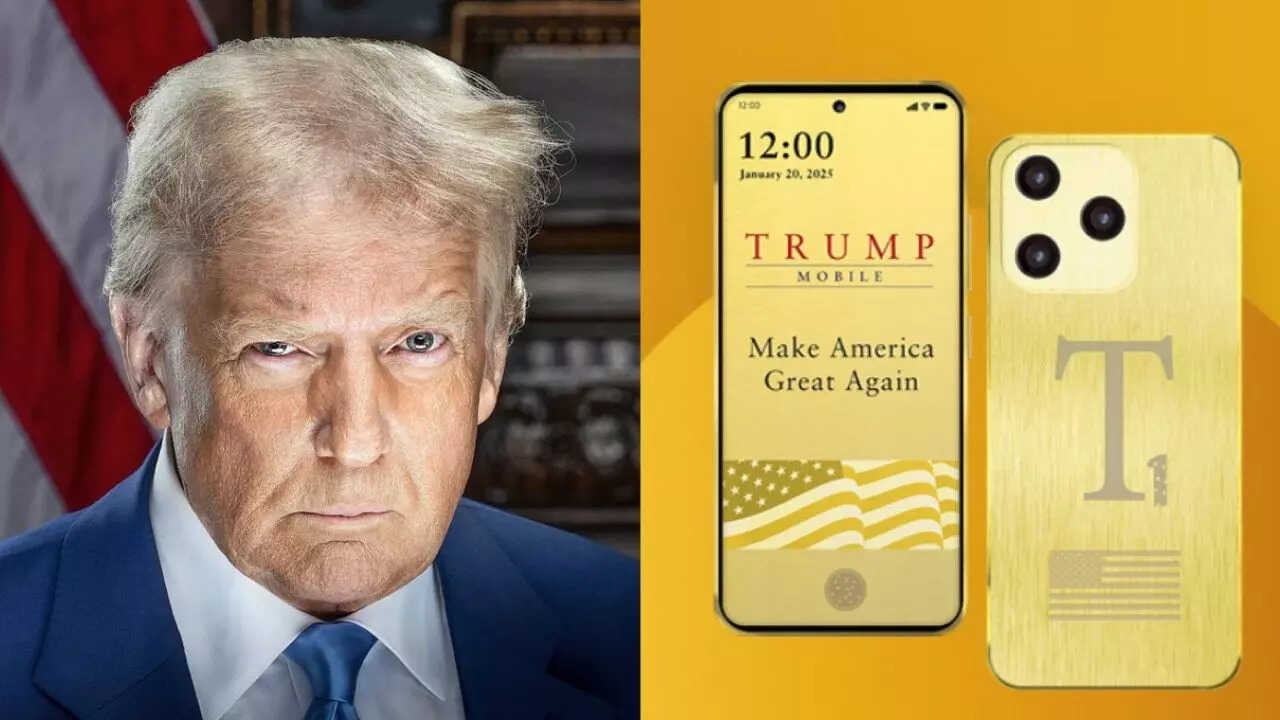
This incident highlights a burgeoning trend in the American political landscape: the commodification of partisan identity. Whether it is sneakers, coins, or smartphones, the strategy is consistent: wrap a standard consumer good in branding that signals loyalty to a specific political movement, and charge a premium for that identity.
However, the T1 case suggests there is a limit to this strategy. When the branding fails to live up to the promise of “excellence,” or when the product is perceived as an off-the-shelf item with a “gold vomit” finish, the backlash is swift. As we look toward future election cycles, we may see more of these “political products.” But the T1 serves as a cautionary tale: in an era of hyper-awareness, consumers are increasingly scrutinizing the substance behind the aesthetic.