World Cup Travel Scrutiny? Giuliani Says Several Players Faced Extra U.S. Screening
World Cup Controversy Grows as Giuliani Reveals Some Players Were Pulled for Additional Questioning
Borderline Chaos: World Cup Stars Detained in High-Stakes Security Crackdown

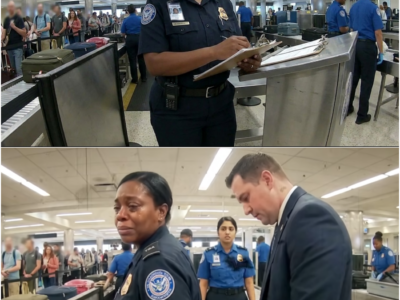
The dream of the “beautiful game” has collided with the iron grip of American border security. As the 2026 World Cup descends upon the United States, the red carpet usually rolled out for the world’s elite athletes has been replaced by the cold, sterile reality of secondary inspection rooms. In an unprecedented move that has stunned the international community, top-tier players and officials arriving to compete on the world’s grandest stage are being pulled from the arrivals line, subjected to hours of intense interrogation, and in some cases, turned away entirely. The atmosphere at major entry ports has shifted from celebratory to claustrophobic, as the U.S. government implements an aggressive, zero-tolerance screening policy that is casting a dark, heavy shadow over the tournament before a single ball has even been kicked.
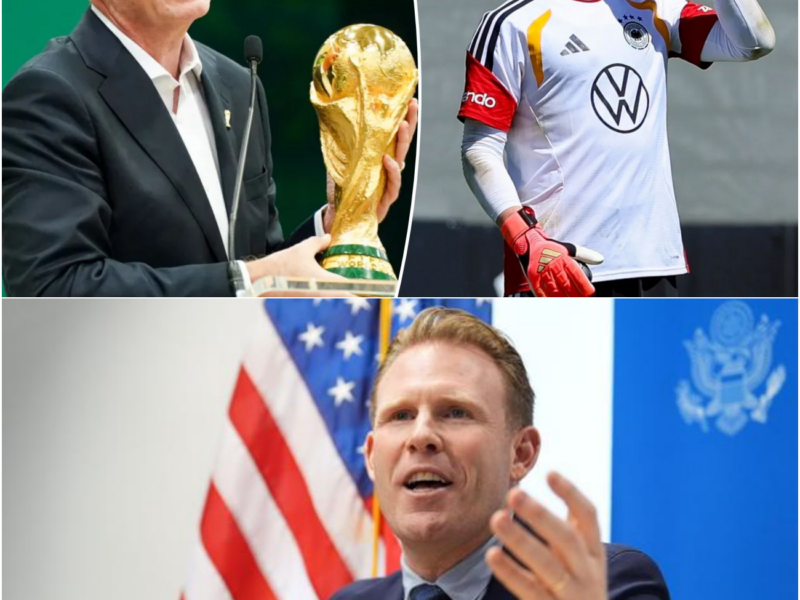
The tension reached a breaking point this week when Andrew Giuliani, executive director of the White House Task Force on the FIFA World Cup, confirmed that “a few” players had been referred for secondary questioning. While officials frame this as a necessary, proactive measure to ensure national security, the optics are nothing short of explosive. Stories of world-class athletes being held for up to seven hours, their private devices confiscated and scrutinized, have spread like wildfire through the global sports media. The message from the White House is clear: in this new era of American border policy, even a FIFA-accredited star is not exempt from the scrutiny of the Department of Homeland Security. This isn’t just a logistical hiccup; it is a fundamental shift in how the world’s most powerful nation interacts with the international community during its most celebrated sporting event.

The Interrogation Room: Where Athletics Meets Intelligence
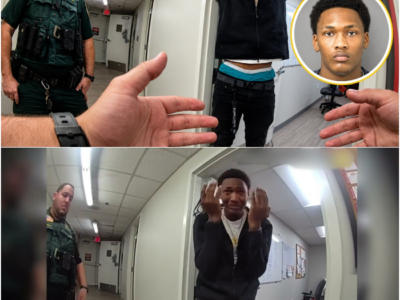
The spectacle of elite footballers—men who have spent their lives training for the pitch—finding themselves trapped in an interrogation room at Chicago’s O’Hare Airport is a chilling juxtaposition. According to recent reports, Iraqi striker Aymen Hussein was held for nearly seven hours upon arrival, his phone searched and his associations questioned in a process that lasted well into the night. This was not an isolated incident. A team photographer was held for over ten hours and subsequently denied entry, sent back to their point of departure without a clear, public explanation.
These aren’t just administrative delays; they are profound disruptions that strike at the heart of fair competition. FIFA has invested years into vetting and selecting officials and athletes, yet the U.S. administration, citing classified intelligence and “safety concerns,” has unilaterally overruled those standards. The case of Somali referee Omar Abdulkadir Artan, who was turned away despite holding a valid visa, serves as the most prominent symbol of this conflict. Officials have alleged that Artan was communicating with “very bad people” immediately prior to his travel, a claim that remains shrouded in the mystery of redacted documents and national security privilege.
The administration’s stance is one of unapologetic, iron-fisted caution. By embedding Immigration and Customs Enforcement (ICE) agents into the World Cup security infrastructure, the U.S. has signaled that this tournament will be policed with the same intensity as a national border crisis. For the visiting teams, this creates a volatile environment where the fear of detention is as real as the fear of a loss on the field.
A New Security Paradigm: The “Zero-Fail” Mission
The logistical weight of hosting an event of this magnitude under the current political climate is staggering. The U.S. government expects up to 7 million visitors for the tournament, a massive influx that would test the most efficient of security systems. Coupled with a funding lapse that has left the Secret Service understaffed by roughly 860 agents, the pressure on the Department of Homeland Security is immense.
Homeland Security Secretary Markwayne Mullin has described the initiative as a “zero-fail mission.” This translates to a strategy where the benefit of the doubt is non-existent. The inclusion of travel-ban restrictions for countries like Haiti and Iran adds another layer of geopolitical complexity. For the Iranian team, the situation has become so untenable that they were forced to move their training camp to Mexico, opting for a 25-minute flight into Los Angeles rather than risk their players being caught in the machinery of American border enforcement.
The administration’s strategy is a radical departure from the norm. Historically, host nations have worked to provide “level playing fields” for all participants. Today, that concept is being challenged by the reality of real-time security threats and political posturing. The government argues that they have facilitated legal pathways for thousands, but for those who find themselves in the secondary inspection room, those pathways feel more like a gauntlet.

The Human Cost and Future Implications
What are the long-term consequences of turning a sporting event into a security battlefield? If the World Cup is the world’s stage, then the U.S. is currently performing a play that many are finding deeply alienating. The ripple effects are already being felt; nations are questioning the fairness of a competition where the home team’s immigration policy can effectively bench an opponent’s key player hours before the opening whistle.
In future scenarios, this could set a dangerous precedent for international relations. If major events are consistently used as venues for political signaling or aggressive vetting, we may see a decline in the willingness of nations to participate in host-country selections. The financial gamble is also high: with $625 million in FEMA funds distributed to host cities and an additional $250 million focused on drone defense, the American taxpayer is footing the bill for a security apparatus that feels more like a military operation than a fan-friendly festival.
If the U.S. continues to prioritize domestic security over the universal norms of international sports, the “World” in World Cup may become a misnomer. The goal of this tournament is to bring people together, but the current border policy seems designed to keep them at a distance. As the tournament progresses, the world will be watching—not just to see who lifts the trophy, but to see how many more stars find their journey abruptly halted at the border.