44 Disgusting Realities of Living in a Wild West Town
Beyond the Legend: The 44 Stomach-Churning Realities of Life in the Wild West
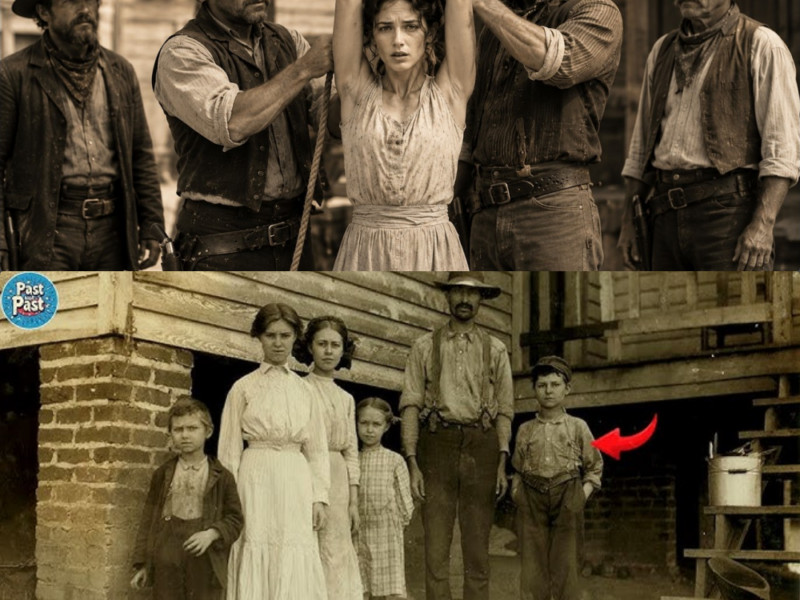
Are you ready to shatter the illusion of the rugged Wild West? Forget the high-noon duels and heroic lawmen; the real frontier was a biohazard where death was the only constant companion. Picture this: massive swarms of flies covering rotting animal carcasses, children forced into back-breaking labor as young as seven, and families trapped in a cycle of poverty so deep they were literally eating worm-infested meat just to survive another day.
The smell alone was enough to drive newcomers to vomit, a putrid mix of stagnant sewage, unwashed bodies, and chemical filth. From the deadly, addictive snake oil sold as miracle cures to the terrifying reality of prairie madness, where the crushing isolation of the vast landscape caused people to lose their minds, the frontier was a place where humanity was pushed to its absolute limit.
This is not just history; it is a harrowing look at the price of survival in an unforgiving, lawless land. Do you have the courage to face the truth behind the legend? We are uncovering 44 disgusting realities that were systematically erased from our textbooks. Do not miss this eye-opening journey into the dark side of American history. Check out the full post in the comments section and tell us which nightmare shocks you the most.
The American West. For generations, this era has been wrapped in a shroud of romanticism. We envision courageous cowboys, noble lawmen, and the boundless optimism of pioneers chasing a brighter future under a vast, unblemished sky. Hollywood blockbusters and dime novels have spent over a century polishing the myth of the frontier, painting it as a land of opportunity where the bold could forge their own destiny. But beneath the layers of cinematic polish, dusty hats, and heroic gunfights lies a much darker, grittier reality—a world of unparalleled filth, crushing disease, and relentless human suffering.
To truly understand the American West, one must look past the myth and confront the sensory and biological nightmare that was daily life in a frontier town. It was a place where the basic act of survival was a constant, uphill battle against nature, disease, and the absolute absence of sanitation.

The Streets as Open-Air Sewers
Stepping onto the boardwalk of a typical frontier town was not a glamorous introduction to the West; it was often a confrontation with a toxic cocktail of manure and waste. With thousands of horses, mules, and oxen passing through towns daily, a single settlement could easily become an open-air sewer. A single horse produces roughly 30 pounds of waste every single day. When you account for stray dogs, free-roaming hogs, and the complete lack of public sanitation, the main street was effectively a biohazard.
During the historic Kansas cattle drives of the 1870s, the stench in railheads like Abilene and Wichita was so overpowering that it made residents physically ill. When the summer sun baked the streets, this waste turned into a toxic, swirling dust that infiltrated eyes and lungs. During the rainy season, the streets transformed into a knee-deep brown sludge that ruined everything it touched, forcing women to deal with the constant degradation of their clothing.
The disposal of waste was equally grim. Indoor plumbing was a dream that did not exist on the frontier. Families relied on chamber pots, and the most common, lazy solution to disposing of this waste was to simply throw it out of second-story windows into the alleys below. Travelers in places like early San Francisco spoke of the constant danger of being hit by this “foul yellow rain,” a practice that ensured human excrement was a permanent, seeping fixture of the town’s soil.
A Game of Biological Roulette: Water and Health
In such an environment, the simple act of drinking water was akin to a high-stakes game of Russian roulette. Wells were routinely dug far too close to outhouses and livestock pens, allowing liquid waste and animal fluids to leach into the groundwater. It is no wonder that outbreaks of cholera, typhoid, and dysentery were constant killers. During the 1849 gold rush, pioneers unknowingly drank from tainted sources, with devastating results. The water was often cloudy, greenish-brown, and tasted of sulfur. Consequently, many residents—even the young—preferred drinking whiskey or fermented cider, as the alcohol content was far safer than the local water supply.

This level of contamination extended to the very air people breathed. Tuberculosis, or “consumption,” ravaged frontier towns, turning them into hubs of infection. Victims would cough blood onto floors and into shared living spaces, ensuring the disease spread rapidly. With no understanding of germ theory for much of the era, the medical profession was, at times, the greatest threat. Doctors would perform amputations and deliver babies without washing their hands or instruments, effectively serving as conduits for fatal infections. When faced with these realities, it is clear why survival was not just about grit; it was about sheer, dumb luck.
The Grinding Reality of Daily Existence
If the diseases did not claim you, the sheer psychological and physical strain of daily life might. The “snake oil” salesmen were a constant threat, peddling expensive tonics filled with alcohol, opium, and even mercury, leaving the sick worse off than before. The lack of privacy was absolute; in overcrowded boarding houses, privacy was non-existent, and the sound of neighbors—or their suffering—was always inches away.
For the most vulnerable, childhood was not a time of innocence but a trial of labor. Children as young as seven worked in hazardous conditions in coal mines and factories, their lives and limbs often sacrificed to the demands of industry. This lack of childhood joy, paired with the crushing social isolation of the prairie, led many into the grips of addiction. Alcohol, opium, and morphine were used as blankets against the despair of a life defined by physical pain and overwhelming loneliness.
A Legacy of Hardship
The Wild West was, in many ways, a massive, heartbreaking graveyard. The mortality rate, particularly for infants, was staggering, with one in four children failing to reach their first birthday. The history of this era is inextricably linked to the mistreatment of Native Americans, who were pushed off their lands through violence and broken treaties, forming a stain on the nation’s legacy that cannot be ignored.
When we strip away the romantic veneer, we find a world that was not merely a frontier of opportunity, but a daily, agonizing struggle to endure. The legend survived because it made for a great story; the suffering was largely forgotten because it was not. Today, remembering these 44 realities serves as a necessary, if uncomfortable, reminder of the true human cost of building a nation. The frontier was not for the faint of heart—it was a brutal, unforgiving environment that demanded everything from those who dared to live there.