Battle of the Bulge: Infantry Combat in the Frozen Ardennes
Frozen Hell and Frontline Valor: Veterans Bud Gahs and Harry Miller Recall the Brutal Infantry Combat of the Battle of the Bulge
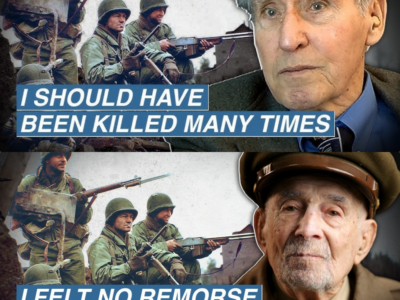
Imagine stepping out of your warm bed at home straight into a nightmare of frozen mud, relentless artillery fire, and bone-chilling cold that drains your very soul. This is the harrowing reality of the Battle of the Bulge, as recounted by infantrymen Bud Gahs and Harry Miller who lived through the brutal winter of 1944.
From facing hidden sniper threats and devastating mortar strikes to navigating the unforgiving terrain of the Ardennes, these brave soldiers share the raw, unfiltered truth of what it took to survive against impossible odds. Discover the unforgettable stories of courage, survival, and frontline combat that defined a generation. Click through to the full post in the comments to read the complete article and honor their incredible sacrifices.
The winter of 1944 in the European theater remains etched in historical memory as one of the most punishing and grueling chapters of the Second World War. Known widely as the Battle of the Bulge, the campaign played out across the dense, unforgiving forests and snow-covered terrain of the Ardennes. For the young infantrymen and armored crews thrust into the freezing pocket, the experience was a relentless test of physical endurance, psychological fortitude, and raw survival instinct. Among those who bore witness to the harshest realities of that winter were veterans Bud Gahs and Harry Miller, whose firsthand recollections offer an intimate, unfiltered look into the harrowing world of frontline infantry combat.
From Civilian Life to the Call of Duty
Long before the bitter cold of the Ardennes tested their limits, both men lived ordinary lives far removed from the global conflict. Harry Miller recalls growing up with a lifelong fascination with soldiers, inspired by patriotic parades in his hometown that featured veterans from the Civil War, the Spanish-American War, and the First World War. Driven by a childhood dream to wear the uniform, Miller sought out enlistment at a young age, navigating the bureaucratic hurdles of missing birth certificates and eager recruitment standards [04:16]. Bud Gahs, meanwhile, was working at the Martin Company, contributing to the war effort by manufacturing B-26 twin-engine bombers, specifically installing the dorsal fin machine gun turrets [01:10].
The defining catalyst for millions across America, however, arrived on a quiet Sunday afternoon. Gahs was taking an afternoon nap when his father shook him awake with shocking news [01:52]. The Japanese had launched a surprise attack on Pearl Harbor [01:57]. At the time, neither fully grasped where Hawaii was located on a map [02:18], but the stark reality quickly set in: the nation was at war, and their lives were about to change forever. Enlistment and rigorous basic training soon followed, immersing both men in the rapid preparations necessary to ready a civilian population for global combat.

Training for a Rapidly Changing War
Basic training offered its own distinct challenges, defined by scorching summer heat and relentless physical conditioning. Gahs endured brutal training cycles in Fort Riley and Camp Gruber, where the oppressive heat left lasting impressions [05:46]. Miller experienced a compressed training schedule as military planners adjusted to the shifting tides of the conflict [06:14]. Rather than standard medium tanks like the Sherman, Miller trained on the nimble M24 light tank, which he humorously compared to a race car next to a lumber wagon [06:40].
Weaponry training was comprehensive and fast-paced. Crew members familiarized themselves with various firearms, but the primary sidearm for many tankers was the ingenious grease gun [07:21]. Costing the military a mere fraction of standard manufacturing expenses and constructed from two stamped metal pieces welded together [07:44], the grease gun proved to be an effective, close-range weapon [08:52]. Though simple in design with a basic flap safety mechanism [07:53], it became a trusted companion in tight quarters where split-second reactions meant the difference between life and death.
Baptism by Fire in the Snow
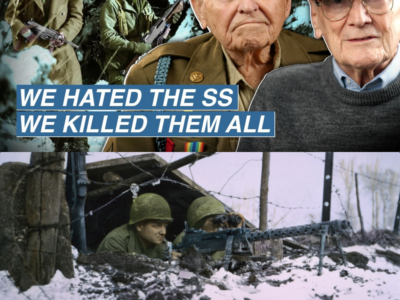
The transition from training grounds to active combat was jarring and immediate. Miller’s early combat involvement placed him within the assault gun platoon of a headquarters company, operating standard tanks equipped with heavy 105mm artillery pieces [09:35]. During an engagement near the town of St. Vith, a battalion commander utilized his assault guns to deliver devastating artillery support that successfully dismantled enemy armored units and shattered resistance in the opposing town [11:07]. The encounter cemented a grim frontline reality: encounters with elite enemy units, particularly the SS, were marked by uncompromising hostility. Following reports of atrocities such as the Malmedy massacre, frontline directives from army headquarters shifted drastically regarding the handling of captured SS personnel [12:00], reinforcing an atmosphere where quarter was rarely given or expected.
For Bud Gahs, early combat unfolded in small, contested villages like Schwaren, where infantrymen faced hidden threats lurking behind the winter landscape. Preparing to move out with a fellow driver after mortar fire flattened his truck tires the previous night [12:42], Gahs spotted an entire company of enemy soldiers clad in white winter camouflage emerging from the treeline [13:08]. Taking refuge inside a nearby building, Gahs and his companion fought off hostile forces from the upper floor for an entire day [13:41]. Bullets tore up through the floorboards beneath their feet [13:54], turning a quiet snowy morning into a desperate battle for survival that ultimately ended with the enemy being driven back [14:06].
The Unforgiving Misery of Winter Warfare
No description of the Battle of the Bulge is complete without confronting the sheer, agonizing misery of the weather. The cold during the winter of 1944 surpassed anything the veterans had experienced in civilian life [14:34]. Operating tanks required keeping hatches open to maintain situational awareness, as periscopes alone could not capture the sprawling threats of the battlefield [14:50]. This constant exposure meant freezing winds, perpetual dampness, and limbs that could never truly be warmed [15:53]. Building a fire was out of the question, as enemy observation posts would immediately pinpoint their position [16:05].
Sleep became a scarce commodity, achieved only through sheer physical exhaustion [16:28]. Soldiers operated like living zombies [16:50], driven entirely by the autonomic necessity to complete immediate tasks amid numbing cold and unending fatigue. Both veterans emphasize that true comprehension of those thirty relentless days of sub-zero hardship is impossible for anyone who did not experience it firsthand [17:10], remaining an isolating memory shared only by those who walked the frozen trails of the Ardennes.
Liberation and the Closing Days of Conflict
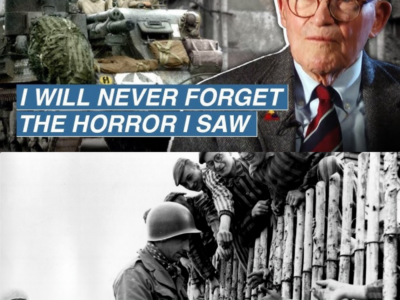
As the war drew to a close, the scope of the mission expanded beyond tactical advances. Units pushed northward toward the Elbe River, serving as a strategic show of force near the demarcation lines [17:53]. Along the way, troops encountered the grim horrors of Nazi concentration camps, such as Ludwigslust and smaller satellite camps [18:31]. Armored vehicles were utilized to breach perimeter fences, exposing the unimaginable devastation within [18:46].
In the aftermath of the German surrender, many soldiers were given the opportunity to visit major camps like Dachau to witness firsthand the atrocities that defined the regime they had fought to dismantle [19:51]. Harry Miller recounts the profound emotional impact of walking through the crematoriums, where the tangible remnants of mass murder left psychological scars that endured long after peace was declared [20:22]. Concurrently, remaining security operations involved tracking down high-ranking officers attempting to flee into the mountainous regions of Austria [23:42], utilizing local intelligence and arduous mountain patrols to secure remaining hostile leadership [24:11].
A Legacy Carved in Resilience
The recollections of Bud Gahs and Harry Miller stand as powerful testaments to the generation of Americans who answered the call of duty during humanity’s darkest hour. Their stories strip away romanticized notions of war, replacing them with honest reflections on fear, camaraderie, frostbite, and unyielding resolve. Through freezing tank hatches, chaotic village firefights, and the haunting liberation of concentration camps, these veterans embodied the extraordinary courage required of ordinary men when history demanded everything they had to give. Their sacrifices, endurance, and dedication ensure that the true cost of freedom is never forgotten.