Janis Joplin Final 24 Hours
The Queen of Blues: Unveiling the Haunting Final Hours of Janis Joplin
In the annals of rock and roll history, few figures loom as large, or as tragically, as Janis Joplin. She was a voice that tore through the airwaves of the 1960s with the force of a hurricane, a woman whose raw, visceral delivery of the blues transformed her from a girl from Port Arthur, Texas, into the undisputed Queen of Psychedelic Soul. Yet, beneath the bohemian aesthetic, the wild hair, and the iconic feathers, there existed a deeply sensitive soul who was constantly searching for a sense of belonging that remained perpetually out of reach. On October 4, 1970, that search came to a harrowing, abrupt, and permanent end in a hotel room in Los Angeles. She was only 27 years old.
The death of Janis Joplin at the dawn of the 1970s marked more than just the loss of a singular musical talent; it signified the end of an era. Along with Jimi Hendrix and Jim Morrison, Joplin became a member of the tragic “27 Club,” a grouping of musical geniuses whose lives were cut short at the height of their creative powers. But to reduce her life to a mere statistic is to ignore the complex, deeply human struggle that defined her existence. To understand the final 24 hours of Janis Joplin, we must look beyond the fame and the headlines and into the heart of a woman who was, in many ways, undone by the very spotlight she craved.
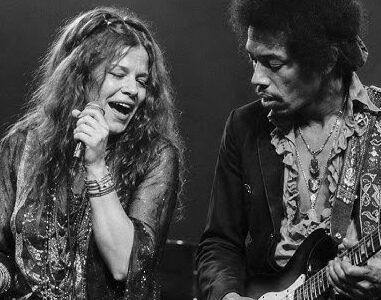
The events of October 3 and 4, 1970, have been parsed, scrutinized, and documented for decades. Joplin was in Los Angeles to record her final album, “Pearl.” She was living at the Landmark Hotel, a place that, in hindsight, feels like a somber backdrop for the conclusion of such an explosive life. By this point in her career, Joplin was a global superstar. She had performed at Woodstock, mesmerized crowds at the Monterey Pop Festival, and released hit records. However, the relentless grind of touring and the suffocating nature of her celebrity had taken a toll on her mental and physical well-being.
The documentary series “Final 24” offers a chillingly intimate window into these last hours. It portrays a woman who, despite having reached the pinnacle of her craft, was grappling with a profound sense of isolation. The pressure to maintain the image of the “wild, hard-living” rock star was relentless. It was an image she had helped craft, but one that eventually became a cage from which she struggled to escape. Throughout her life, Joplin had been haunted by feelings of rejection, dating back to her childhood in Texas where she was often ostracized by her peers for her appearance and her refusal to conform to societal norms. This early wounding created a void—a craving for love and validation—that she often sought to fill through her music, and tragically, through substance abuse.

On the final day, the portrait that emerges is one of quiet, agonizing struggle. The glamor of the recording studio was replaced by the cold, impersonal silence of a hotel room. While the public saw a woman at the top of her game, those close to her recognized the signs of a woman nearing a breaking point. Addiction, particularly her struggle with heroin, had been a constant companion, a destructive cycle she had tried and failed to break multiple times. The tragic reality of that October night was that the very thing she turned to for solace—the drug that numbed the pain of her loneliness—would ultimately silence the voice that brought so much joy to millions.
The tragedy of Janis Joplin is not that she failed to achieve greatness; it is that she achieved it and found it insufficient to soothe the ache in her soul. She was a pioneer for women in rock, paving the way for generations of female artists to be as loud, as raw, and as unapologetic as their male counterparts. Her performances were not just music; they were exorcisms of pain, delivered with such honesty that it left audiences feeling as though they were witnessing a soul laid bare. When she sang, she wasn’t just performing; she was pleading to be understood, to be loved, and to be seen.
The aftermath of her death sent shockwaves through the counterculture movement. For many, it was a realization that the dream of the 1960s—the dream of peace, love, and liberation—was being eroded by the darker realities of addiction and the harsh, unforgiving machinery of the music industry. Her death forced a conversation about the costs of fame, the stigma of mental health, and the devastating impact of addiction that continues to be relevant today.
As we look back at the final 24 hours of her life, it is crucial to remember not just the manner of her passing, but the magnitude of the legacy she left behind. Her songs, such as “Piece of My Heart,” “Cry Baby,” and “Me and Bobby McGee,” remain anthems of heartache and resilience. They are reminders of a woman who felt everything more deeply than most, and whose music provided a sanctuary for those who, like her, felt like outsiders in their own lives.
The story of Janis Joplin is a cautionary tale, yes, but it is also a story of immense courage. To be as vulnerable as she was on stage, to expose one’s deepest fears and desires to thousands of people night after night, takes a level of bravery that is rarely acknowledged. She was a flawed human being, just like the rest of us, caught in a struggle that was both personal and universal. By examining her final hours, we aren’t just looking at a tragedy; we are honoring the humanity of a woman who loved too hard, lived too fast, and burned with a brilliance that changed the world forever.
In the end, Janis Joplin found the peace that had eluded her in life. Her voice, however, remains timeless. It continues to echo through the decades, reminding us that even in our darkest moments, there is beauty to be found in our vulnerability. The Queen of Rock and Roll may have left the stage, but the music, and the raw, unvarnished truth of her life, will never be silenced.