Hakeem Jeffries Faces Tough Questions on Gas Prices During Heated Exchange, as Debate Over Energy Costs Under Joe Biden and Donald Trump Reignites Political Firestorm
Hakeem Jeffries Faces Tough Questions on Gas Prices During Heated Exchange, as Debate Over Energy Costs Under Joe Biden and Donald Trump Reignites Political Firestorm
Caught Off Guard? Hakeem Jeffries Faces Awkward Gas Price Questions as Political Battle Over Inflation Reignites
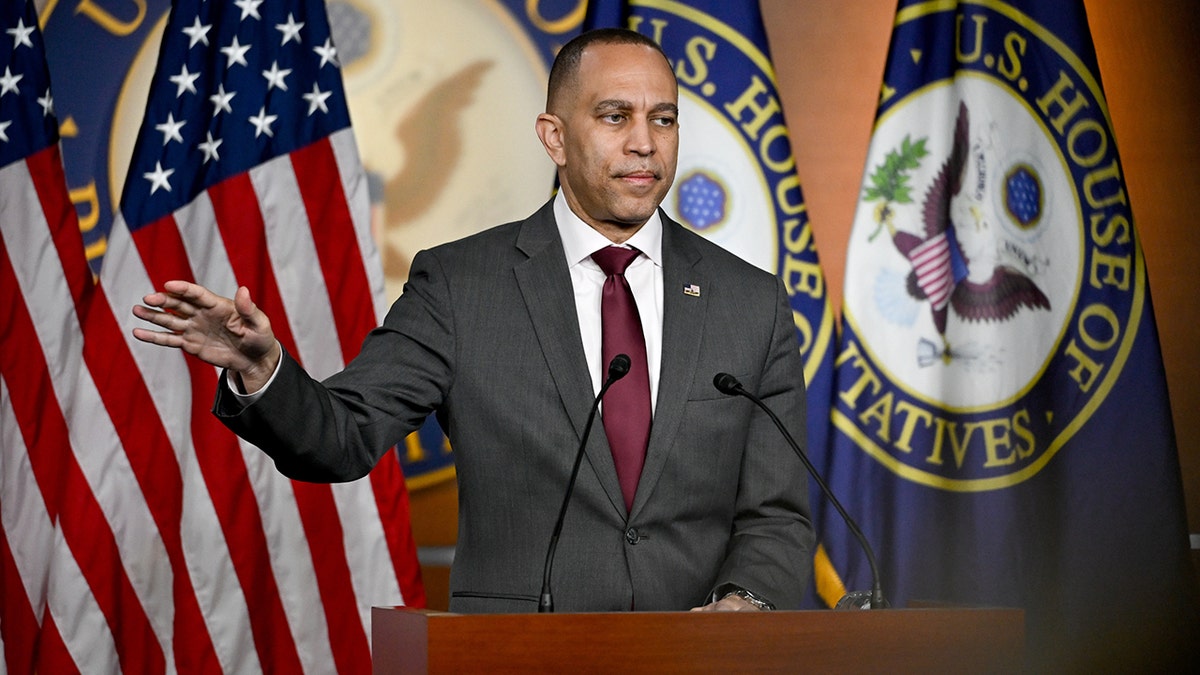
NEW YORK — It began as a routine television interview.
A few questions about foreign policy. A discussion about tensions in the Middle East. Some criticism of President Donald Trump’s handling of international affairs.
Then came a question that appeared to stop one of Washington’s most seasoned political leaders in his tracks.
Within moments, House Minority Leader Hakeem Jeffries found himself defending Democratic criticisms of rising gas prices while facing a reminder that many Americans vividly remember paying record prices at the pump during the Biden years.
The exchange was brief.
The political implications were not.
For voters still struggling with the cost of living, the uncomfortable moment highlighted a reality that continues to shape American politics years after the pandemic: inflation remains one of the most powerful and emotionally charged issues in the country.
And no matter which party controls Washington, Americans want answers.
An Interview Takes an Unexpected Turn
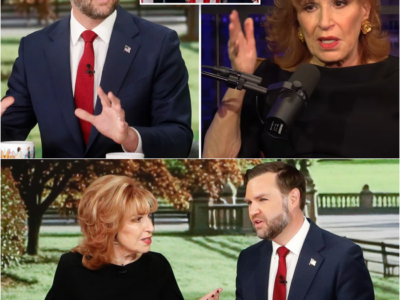
The interview took place Monday morning on “Good Day New York,” a program known for mixing local issues, national politics, and candid conversations with public officials.
Jeffries, the highest-ranking Democrat in the House of Representatives, appeared on the program to discuss a range of issues, including President Trump’s recently announced peace agreement involving Iran after months of escalating conflict in the region.
The Democratic leader sharply criticized Trump’s handling of the situation.
According to Jeffries, the conflict represented what he described as a reckless decision that imposed significant costs on Americans.
“It was a reckless war of choice that has obviously cost the American people significantly, particularly as it relates to skyrocketing gas prices in an environment where the cost of living was already too high,” Jeffries said.
For Democrats, the argument is straightforward.
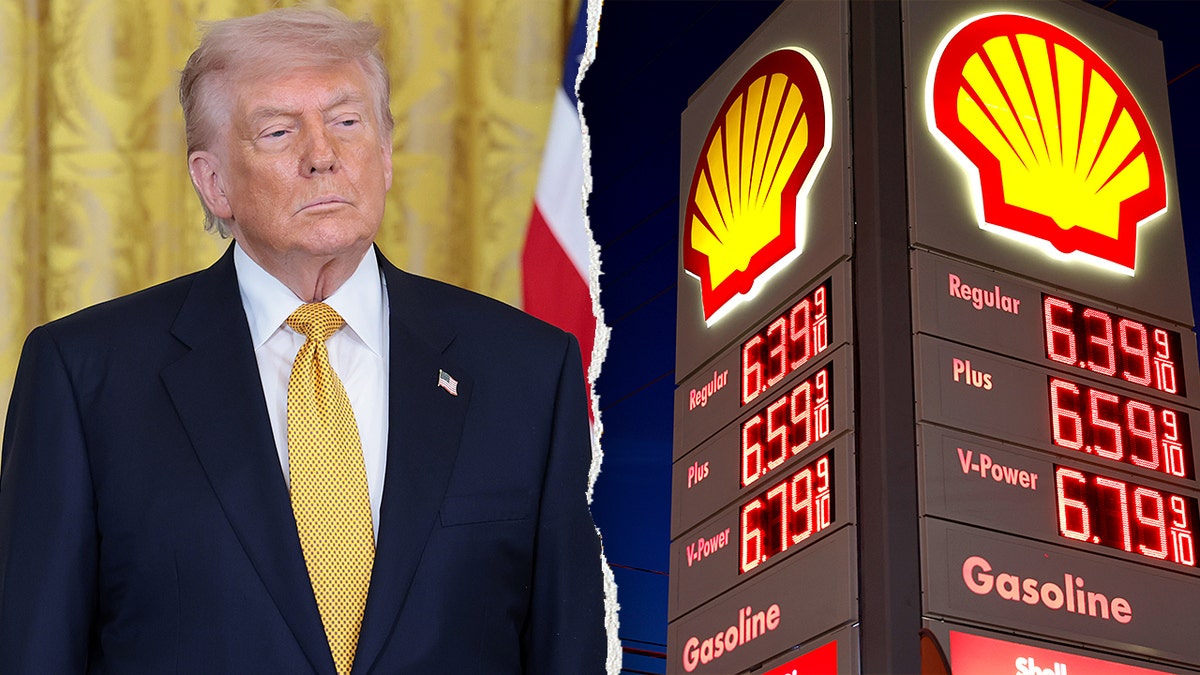
Higher energy prices often ripple through the economy, increasing transportation costs, raising consumer prices, and placing additional burdens on households already dealing with inflation.
Jeffries appeared prepared to make that case.
What happened next changed the tone of the interview entirely.
The Question That Changed Everything
As Jeffries discussed economic pressures facing American families, co-host Rosanna Scotto interrupted with a reminder that many voters have not forgotten.
“Gas prices were up under Obama too. And Biden, right?” Scotto asked.
The question immediately shifted attention away from Trump’s current policies and toward the Democratic Party’s own record.
Jeffries attempted to respond.
Before he could fully answer, Scotto followed up with another pointed question.
“Didn’t we have gas prices over $5?”
The question hung in the air.
Millions of Americans likely knew the answer.
They had seen it themselves.
They had paid it themselves.
And many still remembered the frustration.
Jeffries began explaining that circumstances surrounding those price spikes were unique.
“Well, there were gas prices in the immediate aftermath of the pandemic situation…” he said.
But the exchange was far from over.
Scotto then added another observation that resonated with many consumers who endured the inflation surge of the early 2020s.
“And I remember eggs were like $12 a dozen.”
In just a few seconds, the conversation had shifted from criticism of Trump to a broader discussion about the economic struggles Americans experienced under Democratic leadership.
Moments later, the hosts moved on to lighter topics, including the New York Knicks’ championship victory.
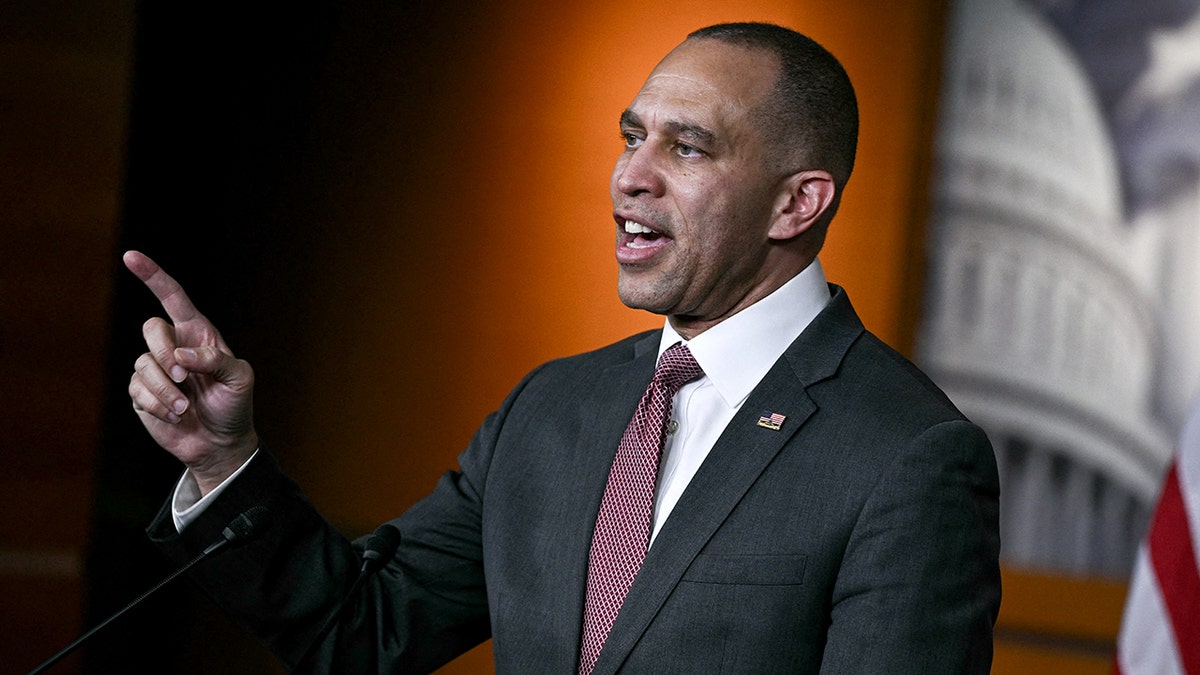
But the political damage—or political significance, depending on one’s perspective—had already been done.
Why Gas Prices Matter So Much
Politicians frequently debate unemployment rates, GDP growth, budget deficits, and trade policy.
Voters often focus on something much simpler.
How much does it cost to fill the tank?
Gasoline occupies a unique place in American politics.
Unlike many economic indicators, gas prices are impossible to ignore.
Drivers see them displayed on giant signs every day.
They encounter them during commutes.
They discuss them with friends and family.
They post pictures of them online.
For decades, rising fuel prices have triggered public anger and political fallout.
Presidents from both parties have learned that lesson the hard way.
When prices rise sharply, voters frequently hold whoever occupies the White House responsible—even when the causes are largely global.
That political reality has haunted administrations from Jimmy Carter to George W. Bush, from Barack Obama to Joe Biden, and now Donald Trump.
The Biden Price Shock
The discussion during Jeffries’ interview quickly returned public attention to one of the most controversial economic periods in recent American history.
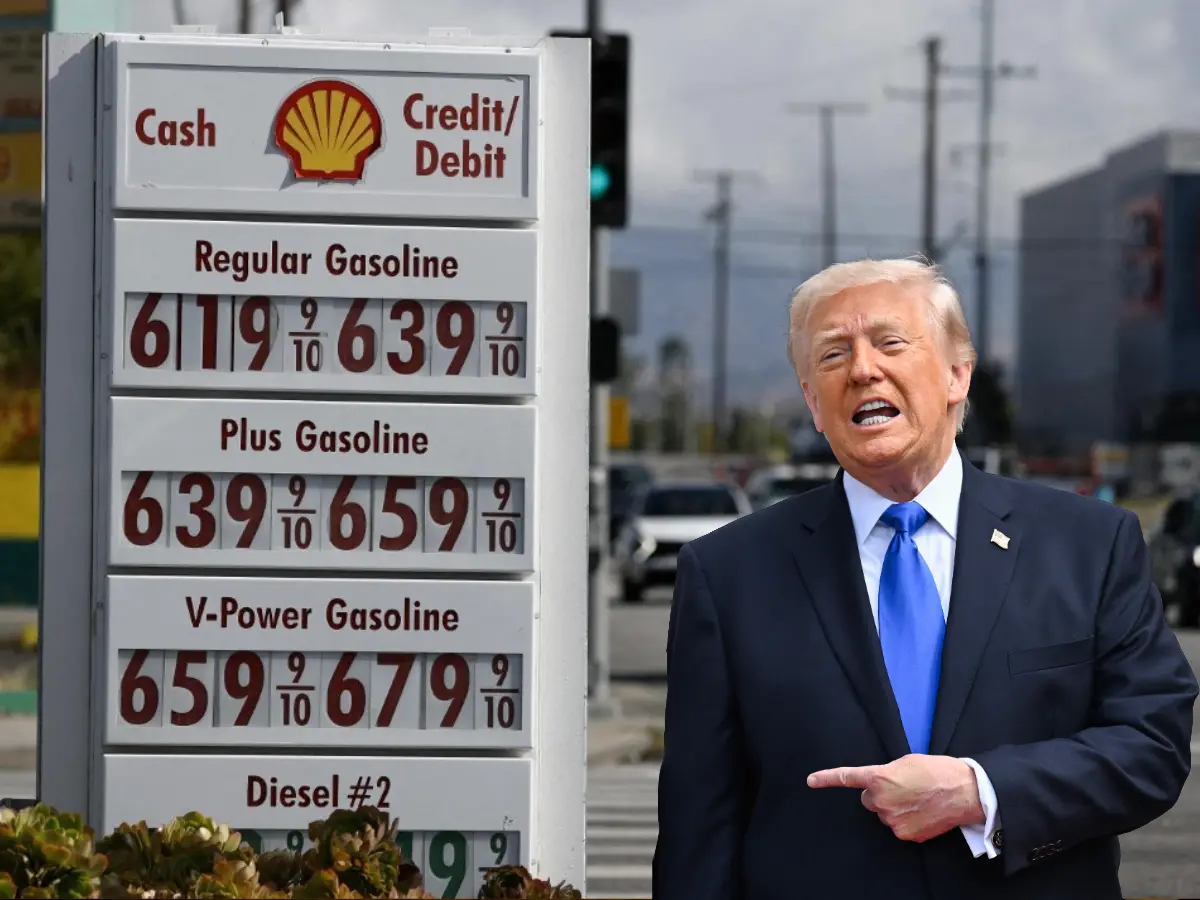
In June 2022, the national average price of gasoline surpassed $5 per gallon for the first time ever.
The milestone became a symbol of broader inflation concerns gripping the nation.
Families saw grocery bills increase.
Housing costs climbed.
Utility bills rose.
)
Travel became more expensive.
For many Americans, it felt as though every aspect of daily life suddenly cost more.
Republicans argued that Democratic economic policies contributed significantly to the crisis.
Democrats countered that the situation resulted from extraordinary global circumstances.
The COVID-19 pandemic had disrupted supply chains worldwide.
Economic activity rebounded faster than energy production.
Russia’s invasion of Ukraine sent shockwaves through global oil markets.
Energy uncertainty spread across continents.
The White House repeatedly emphasized those factors.
Many Democrats referred to rising fuel costs as “Putin’s price hike,” arguing that geopolitical turmoil—not domestic policy—was primarily responsible.
Yet political messaging often struggled against economic reality.
Voters may understand complex explanations.
But they still remember what they paid.
The Politics of Memory
Political strategists from both parties understand a critical truth.
Economic memories last.
Years after inflation cools, voters frequently continue judging leaders through the lens of what they experienced personally.
A family that paid dramatically higher prices for fuel, food, and housing may not remember every policy debate.
But they remember the financial stress.
They remember changing spending habits.
They remember postponing purchases.
They remember checking bank accounts before trips to the grocery store.
Those memories can shape elections long after the immediate crisis ends.
That reality may explain why Scotto’s questions carried such political weight.
The questions weren’t merely about gas prices.
They were about credibility.
Can Democrats effectively attack Republicans over energy costs when voters remember record prices during Democratic administrations?
Can Republicans blame Democrats for inflation while defending price increases that occur under Republican leadership?
These questions remain central to America’s ongoing political battle over the economy.
Trump’s Own Gas Price Challenge
The exchange also highlighted a challenge facing President Trump.
Although Republicans often point to inflation during the Biden years, rising fuel costs remain politically dangerous regardless of which party controls the White House.
According to recent reports, gasoline prices climbed significantly amid tensions involving Iran and instability in global energy markets.
Critics argue that geopolitical decisions can directly influence fuel prices at home.
Supporters counter that international events often drive energy markets beyond any president’s immediate control.
The debate echoes arguments Americans have heard for decades.
One side blames policy.
The other side blames circumstances.
Meanwhile, consumers continue watching prices at local gas stations.
The political winner often depends less on economic theory and more on whether voters feel financially secure.
A Larger Debate About Accountability
The brief television exchange touched on a broader question confronting American politics.
Who should receive blame when prices rise?
The answer is rarely simple.
Gasoline prices are influenced by countless factors.
Global oil production.
International conflicts.
Refinery capacity.
Transportation costs.
Natural disasters.
Government regulations.
Market speculation.
Currency fluctuations.
Supply chain disruptions.
No single president controls all of them.
Yet presidents receive credit when prices fall and criticism when prices rise.
It is one of the unwritten rules of American politics.
When voters are angry, they look toward Washington.
When politicians seek reelection, they must answer for conditions on the ground.
Jeffries encountered that reality firsthand during his interview.
His criticism of Trump’s handling of gas prices quickly transformed into questions about Democratic responsibility during previous price surges.
Why the Moment Went Viral
Political observers noted that the exchange resonated because it reflected the frustrations many Americans still feel.
The conversation was unscripted.
The questions were direct.
The responses were incomplete.
In an era when politicians often appear carefully managed and heavily rehearsed, spontaneous moments attract attention.
They feel authentic.
Supporters of Jeffries argued that he was attempting to explain the extraordinary circumstances surrounding pandemic-related inflation.
Critics argued that he struggled to address an uncomfortable political reality.
Both sides quickly seized upon the clip.
Social media amplified the debate.
Commentators offered competing interpretations.
Partisans celebrated.
Opponents criticized.
The familiar machinery of modern political conflict sprang into action almost instantly.
The Economic Issue That Refuses to Disappear
Many political controversies come and go.
Inflation is different.
Even as headline inflation moderates, concerns about affordability continue dominating voter surveys.
Americans consistently rank economic issues among their highest priorities.
The reason is simple.
Economic conditions affect nearly every aspect of daily life.
Food.
Transportation.
Housing.
Healthcare.
Education.
Family budgets.
Retirement planning.
Virtually every household feels the impact.
As a result, politicians ignore cost-of-living concerns at their peril.
Jeffries’ interview served as a reminder that voters remain intensely focused on pocketbook issues.
Regardless of foreign policy debates, congressional investigations, or partisan battles, many Americans still ask the same question:
Can I afford my life?
Democrats and Republicans Enter Familiar Territory
The exchange may also preview the arguments likely to dominate future political campaigns.
Democrats continue emphasizing concerns about energy costs, corporate pricing, and economic inequality.
Republicans continue highlighting inflation during the Biden years and questioning Democratic stewardship of the economy.
Both parties believe economic issues offer political advantages.
Both parties believe voters support their narrative.
Both parties face vulnerabilities.
Democrats must explain why inflation surged during their recent tenure.
Republicans must defend current economic conditions under their leadership.
Neither task is easy.
And neither side appears likely to stop making the case.
The Bottom Line
What began as an ordinary television interview quickly evolved into a revealing political moment.
House Minority Leader Hakeem Jeffries arrived prepared to criticize President Donald Trump over rising gas prices and broader economic concerns.
Instead, he found himself answering questions about one of the most painful economic memories of the Biden era.
The exchange lasted only moments.
But it captured a larger truth about American politics.
Gas prices remain more than just numbers on a sign.
They are symbols of economic confidence, political accountability, and public frustration.
Every administration eventually confronts the issue.
Every party attempts to shape the narrative.
And every voter ultimately reaches a personal conclusion based on experience rather than rhetoric.
As Washington continues debating responsibility for rising costs, Americans across the country continue doing something much simpler.
They pull into gas stations.
They look at the numbers.
And they decide for themselves whom to blame.