Gavin Newsom Claims He’s Been Placed on Political “Hit List” as He Escalates Accusations Against Donald Trump, Fueling Intensifying National Political Clash
Gavin Newsom Claims He’s Been Placed on Political “Hit List” as He Escalates Accusations Against Donald Trump, Fueling Intensifying National Political Clash
NEWS REPORT: The Political Vendetta? Newsom Alleges “Hit List” Probe by Trump Administration
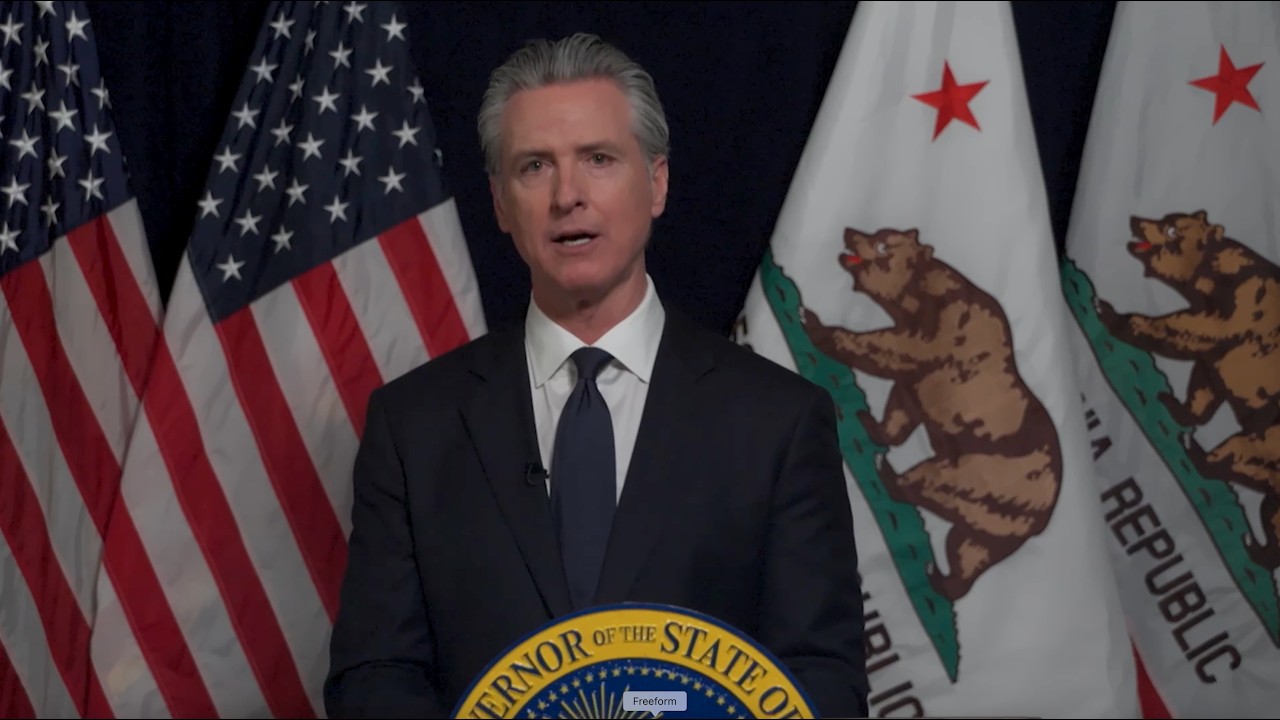
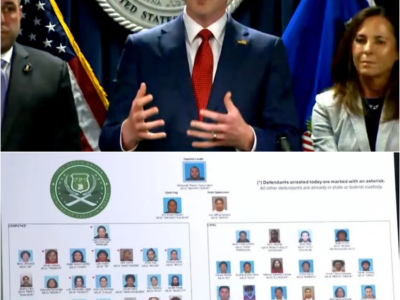
SACRAMENTO, Calif. — In a development that has sent tremors through the foundations of American political norms, California Governor Gavin Newsom has leveled a grave and unprecedented accusation against the executive branch. In a wide-ranging video statement, the two-term governor alleged that he and his family have been placed on a “hit list” by the Trump administration, effectively weaponizing the Department of Justice to neutralize a potential 2028 presidential challenger.
The accusations, which have sparked a fierce debate over the limits of executive power, detail what Newsom describes as a systematic campaign of intimidation. “Donald Trump is simply the most corrupt president in history,” Newsom declared, alleging that federal agents have been tasked with scouring decades of records, contacting his personal acquaintances, and probing the private affairs of his wife, Jennifer Siebel Newsom. For a governor whose tenure is nearing its conclusion, the timing of this scrutiny—coinciding with his public contemplation of a White House run—is, according to his allies, far from coincidental.
The Anatomy of the Alleged Retribution
The situation, as described by the Governor’s office, extends beyond routine administrative oversight. Newsom claims the DOJ is currently engaging in a “fishing expedition,” reaching out to former employees and family friends in a frantic search for evidence of criminal activity. By filing a formal Freedom of Information Act (FOIA) request, Newsom is demanding the disclosure of electronic communications between federal officials, aiming to prove that the investigation is a politically motivated probe rather than an impartial pursuit of justice.
The narrative of “weaponization” is one that has long echoed through the halls of Washington, but the scale of the current allegations against the administration is stark. Newsom’s team argues that this is not merely about “mean tweets” or policy disputes; it is a calculated effort to use federal assets to dismantle the political viability of a prominent opponent. The Governor has specifically cited the administration’s alleged use of the DOJ to investigate figures like former Federal Reserve Chair Jerome Powell and former FBI Director James Comey as evidence of a pattern of using federal power to punish dissenters.
Corruption and the “Cash Heist” Allegations
Beyond the personal investigation, Newsom has widened his critique to suggest that the administration is engaged in a broader, systemic betrayal of the public trust. The Governor characterized the current White House as a “marketplace,” alleging that the President is prioritizing personal fortune over national interest.
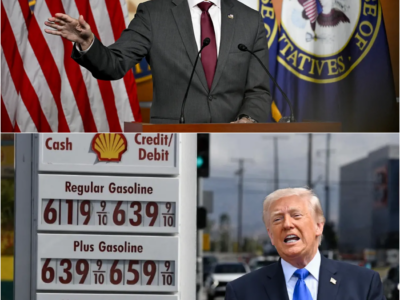
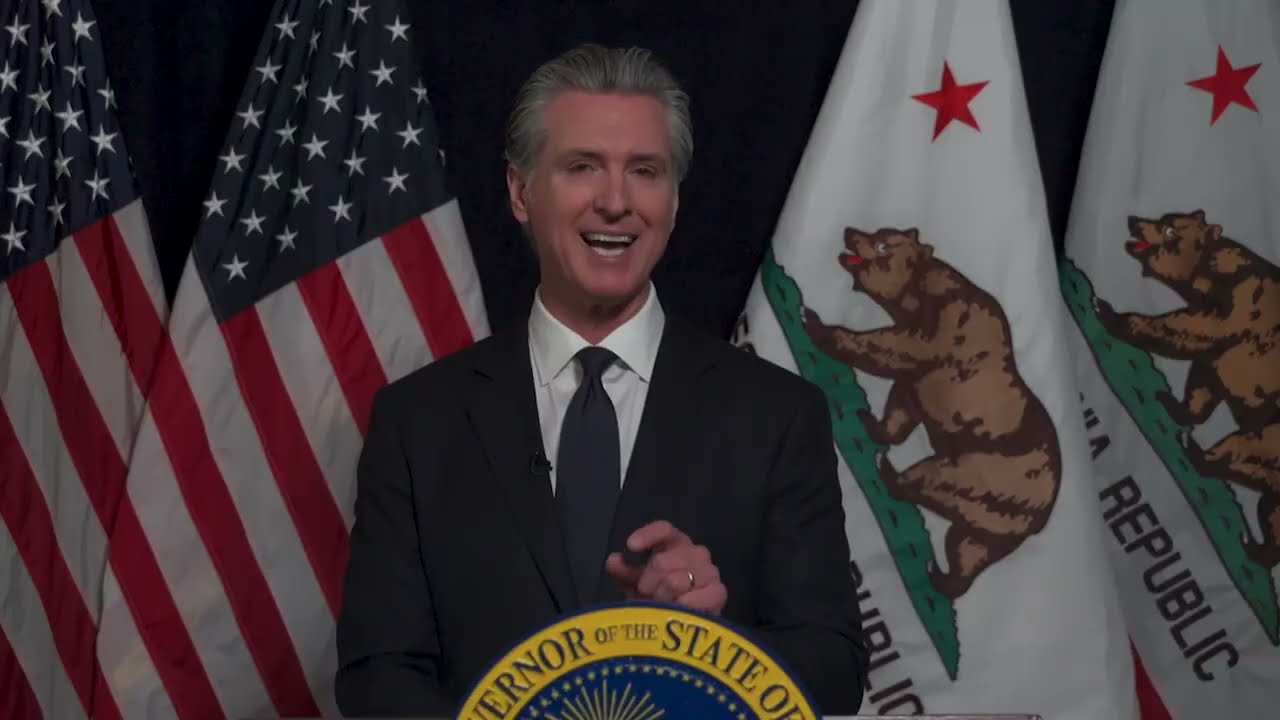
“He’s running the largest cash heist in America’s political history,” Newsom claimed, asserting that the President’s personal wealth has ballooned by billions since his return to office. These allegations include claims of day-trading from the Oval Office, trading tariff policies for the enrichment of private golf properties, and commodifying presidential access through the sale of promotional merchandise. While these claims remain under intense partisan scrutiny, they strike at the heart of the administration’s economic platform, suggesting a conflict of interest that is, in Newsom’s view, historically unprecedented.
The Road to 2028 and Beyond
As the 2026 midterm cycle approaches, the fallout from this standoff is likely to be profound. If Newsom’s allegations prove to have merit, the result could be a constitutional crisis involving the independence of the Justice Department. Conversely, if the administration successfully defends its investigative actions as standard procedure, it may serve to further solidify the narrative that the current administration is willing to use all levers of government to secure its future.
Political analysts note that this is a high-risk strategy for both sides. For Newsom, vocalizing these claims risks appearing as though he is attempting to “pre-empt” a legitimate investigation. For the administration, targeting a sitting governor’s family—specifically his wife, who has held no public office—risks alienating moderate voters who may view the move as an overreach of executive authority.
Future Projections: A Nation Divided
Looking ahead, this clash appears to be the opening salvo of a much larger struggle. Lawmakers in Washington are already signaling that the next Congress will be characterized by intense investigative warfare. Should the administration continue to utilize the “hit list” tactic, we can expect a surge in legislative efforts to codify protections for political candidates against executive-led probes.
Furthermore, the public perception of the DOJ is at a critical juncture. As the institution struggles to maintain a veneer of impartiality, the steady drip of accusations from high-profile figures like Newsom threatens to hollow out the public’s faith in the nation’s chief law enforcement agency.
In the coming weeks, we can anticipate a flurry of activity: more FOIA filings, potential congressional hearings, and a media blitz that will test the endurance of the American electorate. Whether this investigation is a legitimate response to government wrongdoing or an instrument of political vengeance will likely remain a contested point for years to come. What is clear, however, is that the lines between the rule of law and the rule of the party are blurring, and the potential for long-term institutional damage has never been greater. The 2028 race has effectively begun, and if this incident is any indication, it promises to be a contest defined less by policy debates and more by the fundamental integrity of our democratic processes.